

pattern

C1 수준 단어 목록 - Sickness

여기에서는 C1 수준의 학습자를 위해 준비된 "agony", "dizzy", "asthma" 등과 같은 질병에 관한 몇 가지 영어 단어를 배우게 됩니다.

리뷰

플래시카드

형태

철자법

퀴즈

학습 시작
CEFR C1 Vocabulary
ailment
ailment
[명사]

an illness, often a minor one

질병, 병

질병, 병

Ex: She visited the doctor to discuss her persistent stomach ailment. 
닫기
로그인
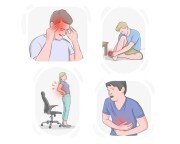
agony
agony
[명사]

severe physical or mental pain

고통, 고뇌

고통, 고뇌

Ex: The patient endured the agony of chronic migraines for years. 
닫기
로그인
syndrome
syndrome
[명사]

a group of medical signs that indicate a person is suffering from a particular disease or condition

증후군

증후군

Ex: Down syndrome is a genetic disorder characterized by intellectual disability and distinctive facial features. 
닫기
로그인
acute
acute
[형용사]

characterized by severe intensity or seriousness

급성의, 심한

급성의, 심한

Ex: The patient experienced acute pain in their chest, prompting an immediate visit to the emergency room. 
닫기
로그인
chronic
chronic
[형용사]

(of an illness) difficult to cure and long-lasting

만성적인, 오래 지속되는

만성적인, 오래 지속되는

Ex: Mary's chronic asthma requires daily medication to control her symptoms. 
닫기
로그인
contagious
contagious
[형용사]

(of a disease) transmittable from one person to another through close contact

전염성의

전염성의

Ex: COVID-19 is highly contagious, spreading easily among individuals in crowded places. 
닫기
로그인
breathless
breathless
[형용사]

unable to breathe easily

숨이 차는, 숨을 쉴 수 없는

숨이 차는, 숨을 쉴 수 없는

Ex: The asthma attack left him feeling breathless and struggling for air. 
닫기
로그인
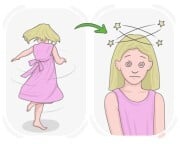
dizzy
dizzy
[형용사]

unable to keep one's balance and feeling as though everything is circling around one, caused by an illness or looking down from a high place

어지러운, 현기증 나는

어지러운, 현기증 나는

Ex: She felt dizzy and lightheaded after standing up too quickly. 
닫기
로그인
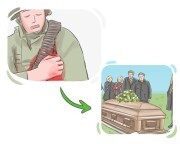
fatal
fatal
[형용사]

resulting in death

치명적인, 사망에 이르게 하는

치명적인, 사망에 이르게 하는

Ex: The car accident caused fatal injuries to the driver, resulting in their death at the scene. 
닫기
로그인
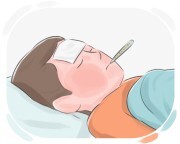
feverish
feverish
[형용사]

having or caused by a fever

열이 있는, 열나다

열이 있는, 열나다

Ex: She felt feverish and had chills after coming down with the flu. 
닫기
로그인
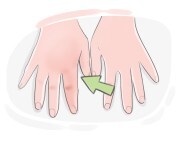
swollen
swollen
[형용사]

(of a part of the body) unusually large, particularly because of an injury or illness

붓는, 부은

붓는, 부은

Ex: After twisting her ankle, Sarah's foot became swollen and painful. 
닫기
로그인
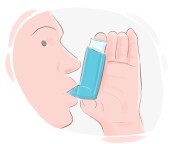
asthma
asthma
[명사]

a disease that causes shortness of breath and difficulty in breathing

천식, 호흡기 질환

천식, 호흡기 질환

Ex: Asthma is a chronic lung disease characterized by inflammation and narrowing of the airways. 
닫기
로그인
bird flu
bird flu
[명사]

a dangerous disease among birds, especially poultry, that can be transmitted to humans and sometimes kill them

조류 인플루엔자, 새 독감

조류 인플루엔자, 새 독감

Ex: Bird flu, also known as avian influenza, is a viral infection that primarily affects birds. 
닫기
로그인
Covid-19
Covid-19
[명사]

an infectious disease caused by a type of virus called coronavirus that causes fever, tiredness, a cough, etc., and in some cases can kill, originated in China and later became a pandemic

COVID-19, 코로나바이러스감염증-19

COVID-19, 코로나바이러스감염증-19

Ex: COVID-19, caused by the novel coronavirus SARS-CoV-2, emerged as a global pandemic in early 2020. 
닫기
로그인
diarrhea
diarrhea
[명사]

a medical condition in which body waste turns to liquid and comes out frequently

설사, 이질

설사, 이질

Ex: Diarrhea is characterized by loose, watery stools occurring frequently throughout the day. 
닫기
로그인
hay fever
hay fever
[명사]

an illness that causes a runny nose and watery eyes, caused by dust from plants that come into the body through the air

꽃가루 알레르기, 알레르기성 비염

꽃가루 알레르기, 알레르기성 비염

Ex: Hay fever, also known as allergic rhinitis, is an allergic reaction to pollen or other airborne allergens. 
닫기
로그인
HIV
HIV
[명사]

the virus that causes a very dangerous disease called AIDS, transmitted through blood or sexual activity

HIV, 인간 면역 결핍 바이러스

HIV, 인간 면역 결핍 바이러스

Ex: HIV attacks the immune system and weakens the body's ability to fight infections. 
닫기
로그인
measles
measles
[명사]

a contagious disease that causes high fever and small red spots on the body, common in children

홍역, 홍역병

홍역, 홍역병

Ex: Measles is a highly contagious viral infection that primarily affects children. 
닫기
로그인
plague
plague
[명사]

a dangerous disease spread by rats that causes fever and swellings, often kills if infected

역병, 흑사병

역병, 흑사병

Ex: The plague, also known as the Black Death, is a deadly infectious disease caused by the bacterium Yersinia pestis. 
닫기
로그인
stroke
stroke
[명사]

a dangerous condition in which a person loses consciousness as a result of a blood vessel breaking open or becoming blocked in their brain, which could kill or paralyze a part of their body

뇌졸중, 중풍

뇌졸중, 중풍

Ex: A stroke occurs when a blood vessel in the brain either becomes blocked (ischemic stroke) or bursts (hemorrhagic stroke). 
닫기
로그인
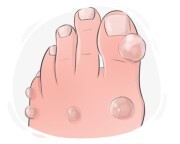
blister
blister
[명사]

a swollen area on the skin filled with liquid, caused by constant rubbing or by burning

물집, 수포

물집, 수포

Ex: A blister is a small pocket of fluid that forms on the skin, typically caused by friction, burns, or other injuries. 
닫기
로그인
lump
lump
[명사]

a swollen area under the skin, usually caused by a sickness or injury

혹, 부기

혹, 부기

Ex: A lump is a localized swelling or protuberance that can be felt under the skin or within the body. 
닫기
로그인
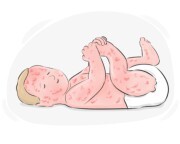
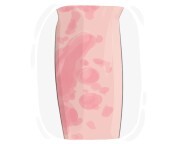
rash
rash
[명사]

a part of one's skin covered with red spots, which is usually caused by a sickness or an allergic reaction

발진, 붉은 반점

발진, 붉은 반점

Ex: A rash is a change in the skin's appearance, often characterized by redness, bumps, or blisters. 
닫기
로그인
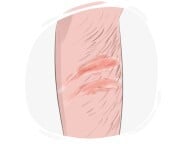
scar
scar
[명사]

a mark that is left on one's skin after a wound or cut has healed

흉터, 상처 자국

흉터, 상처 자국

Ex: A scar is a permanent mark on the skin that remains after a wound or injury has healed. 
닫기
로그인
swelling
swelling
[명사]

an area of one's body that has become unusually larger, caused by an injury or sickness

부기, 부종

부기, 부종

Ex: Swelling often occurs as a response to injury, infection, or inflammation, causing the affected area to become larger and tender. 
닫기
로그인
collapse
collapse
[명사]

a situation in which a person suddenly falls down or loses consciousness because of tiredness or an illness

붕괴, 기절

붕괴, 기절

Ex: A collapse refers to a sudden loss of consciousness or falling down due to exhaustion, illness, or another medical condition. 
닫기
로그인
fatigue
fatigue
[명사]

a feeling of extreme tiredness that is usually caused by physical or mental overwork or exercise

피로, 탈진

피로, 탈진

Ex: Fatigue is a state of extreme tiredness and exhaustion that can result from physical or mental exertion. 
닫기
로그인
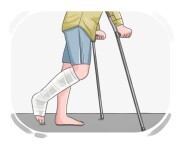
fracture
fracture
[명사]

a crack or break in a bone or other hard substance

골절,  균열

골절, 균열

Ex: A fracture is a medical term used to describe a crack or break in a bone or hard substance. 
닫기
로그인
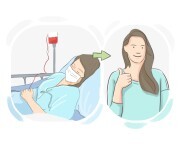
to bounce back

to regain health after an illness or become successful again after facing difficulties

회복하다, 되튀다

회복하다, 되튀다

Ex: The athlete bounced back after a long injury, surprising everyone. 
닫기
로그인
to complain of

to state that one feels ill or one's body part is in pain

호소하다, 통증을 호소하다

호소하다, 통증을 호소하다

Ex: She came to the doctor's office to complain of persistent headaches that had been troubling her for weeks. 
닫기
로그인
to faint
to faint
[동사]

to suddenly lose consciousness from a lack of oxygen in the brain, which is caused by a shock, etc.

기절하다, 의식을 잃다

기절하다, 의식을 잃다

Ex: Witnessing the accident made her faint, and she collapsed on the spot. 
닫기
로그인
to infect
to infect
[동사]

to transmit a disease to a person, animal, or plant

감염시키다, 전염시키다

감염시키다, 전염시키다

Ex: Contaminated water sources can infect individuals with waterborne diseases. 
닫기
로그인
addict
addict
[명사]

someone who cannot stop taking, using, or smoking a substance

중독자, 의존자

중독자, 의존자

Ex: The rehab center provides support and treatment for addicts struggling with substance abuse. 
닫기
로그인
carrier
carrier
[명사]

a person or animal that carries a disease, without suffering from it themselves, and transmits to other people or animals

보균자, 벡터

보균자, 벡터

Ex: Although he showed no symptoms, he was identified as a carrier of the virus, spreading it unknowingly to others. 
닫기
로그인
epidemic
epidemic
[명사]

the rapid spread of an infectious disease within a specific population, community, or region, affecting a significant number of individuals at the same time

유행병, 전염병 확산

유행병, 전염병 확산

Ex: The epidemic caused a surge in hospital admissions. 
닫기
로그인
pandemic
pandemic
[명사]

a disease that spreads across a large region or even across the world

팬데믹, 세계적 유행병

팬데믹, 세계적 유행병

Ex: The COVID-19 pandemic has impacted nearly every person on the planet. 
닫기
로그인
outbreak
outbreak
[명사]

the unexpected start of something terrible, such as a disease

발발, 유행병

발발, 유행병

Ex: The sudden outbreak of the flu caused widespread panic in the city. 
닫기
로그인
parasite
parasite
[명사]

(biology) a small organism that lives on or inside another organism, called a host, and is dependent on it for nutrition and growth

기생충, 기생 생물

기생충, 기생 생물

Ex: The mosquito is a well-known parasite that feeds on the blood of its host, often transmitting diseases in the process. 
닫기
로그인
shiver
shiver
[명사]

a brief shaking movement of one's body as a result of fear or being cold

떨림, 전율

떨림, 전율

Ex: Despite the heavy blanket, she couldn't stop the uncontrollable shiver that ran through her body due to the high fever. 
닫기
로그인
worn out
worn out
[형용사]

exhausted because of too much physical work

지친,  기진맥진한

지친, 기진맥진한

Ex: After working a double shift at the hospital, she felt completely worn out and could barely keep her eyes open. 
닫기
로그인
stuffy
stuffy
[형용사]

having difficulty breathing through one's nose, often due to a cold or allergy

막힌, 코가 막힌

막힌, 코가 막힌

Ex: During the flu season, many people experience having a stuffy nose, making it challenging to breathe comfortably. 
닫기
로그인
to chafe
to chafe
[동사]

(of a body part) to become sore or irritated due to being rubbed against something

�다, 자극하다

�다, 자극하다

Ex: After the long hike, the straps of his backpack caused his shoulders to chafe, leaving red marks. 
닫기
로그인
LanGeek
LanGeek 앱 다운로드