
pattern

Lista de Palavras Nível C1 - Sickness

Aqui você aprenderá algumas palavras em inglês sobre doenças, como "agonia", "tontura", "asma", etc., preparadas para alunos do nível C1.

Revisar

Flashcards

Ortografia

Quiz

Começar a aprender
CEFR C1 Vocabulary
ailment
ailment
[substantivo]

an illness, often a minor one

doença, mal

doença, mal

Ex: She visited the doctor to discuss her persistent stomach ailment. 
Fechar
Entrar
agony
agony
[substantivo]

severe physical or mental pain

agonia, sofrimento

agonia, sofrimento

Ex: The patient endured the agony of chronic migraines for years. 
Fechar
Entrar
syndrome
syndrome
[substantivo]

a group of medical signs that indicate a person is suffering from a particular disease or condition

síndrome

síndrome

Ex: Down syndrome is a genetic disorder characterized by intellectual disability and distinctive facial features. 
Fechar
Entrar
acute
acute
[adjetivo]

characterized by severe intensity or seriousness

agudo, intenso

agudo, intenso

Ex: The patient experienced acute pain in their chest, prompting an immediate visit to the emergency room. 
Fechar
Entrar
chronic
chronic
[adjetivo]

(of an illness) difficult to cure and long-lasting

crônico, persistente

crônico, persistente

Ex: Mary's chronic asthma requires daily medication to control her symptoms. 
Fechar
Entrar
contagious
contagious
[adjetivo]

(of a disease) transmittable from one person to another through close contact

contagioso

contagioso

Ex: COVID-19 is highly contagious, spreading easily among individuals in crowded places. 
Fechar
Entrar
breathless
breathless
[adjetivo]

unable to breathe easily

sem fôlego, ofegante

sem fôlego, ofegante

Ex: The asthma attack left him feeling breathless and struggling for air. 
Fechar
Entrar
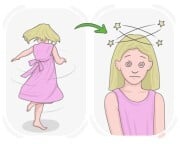
dizzy
dizzy
[adjetivo]

unable to keep one's balance and feeling as though everything is circling around one, caused by an illness or looking down from a high place

tonto, vertiginoso

tonto, vertiginoso

Ex: She felt dizzy and lightheaded after standing up too quickly. 
Fechar
Entrar
fatal
fatal
[adjetivo]

resulting in death

fatal, mortal

fatal, mortal

Ex: The car accident caused fatal injuries to the driver, resulting in their death at the scene. 
Fechar
Entrar
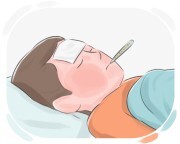
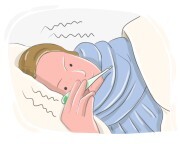
feverish
feverish
[adjetivo]

having or caused by a fever

febril, com febre

febril, com febre

Ex: She felt feverish and had chills after coming down with the flu. 
Fechar
Entrar
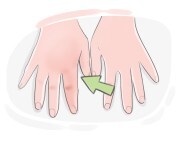
swollen
swollen
[adjetivo]

(of a part of the body) unusually large, particularly because of an injury or illness

inchado, inflamado

inchado, inflamado

Ex: After twisting her ankle, Sarah's foot became swollen and painful. 
Fechar
Entrar
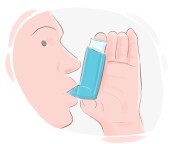
asthma
asthma
[substantivo]

a disease that causes shortness of breath and difficulty in breathing

asma, doença respiratória

asma, doença respiratória

Ex: Asthma is a chronic lung disease characterized by inflammation and narrowing of the airways. 
Fechar
Entrar
bird flu
bird flu
[substantivo]

a dangerous disease among birds, especially poultry, that can be transmitted to humans and sometimes kill them

gripe aviária, influenza aviária

gripe aviária, influenza aviária

Ex: Bird flu, also known as avian influenza, is a viral infection that primarily affects birds. 
Fechar
Entrar
Covid-19
Covid-19
[substantivo]

an infectious disease caused by a type of virus called coronavirus that causes fever, tiredness, a cough, etc., and in some cases can kill, originated in China and later became a pandemic

COVID-19, a doença por coronavírus 2019

COVID-19, a doença por coronavírus 2019

Ex: COVID-19, caused by the novel coronavirus SARS-CoV-2, emerged as a global pandemic in early 2020. 
Fechar
Entrar
diarrhea
diarrhea
[substantivo]

a medical condition in which body waste turns to liquid and comes out frequently

diarreia, desarranjo

diarreia, desarranjo

Ex: Diarrhea is characterized by loose, watery stools occurring frequently throughout the day. 
Fechar
Entrar
hay fever
hay fever
[substantivo]

an illness that causes a runny nose and watery eyes, caused by dust from plants that come into the body through the air

febre do feno, rinite alérgica

febre do feno, rinite alérgica

Ex: Hay fever, also known as allergic rhinitis, is an allergic reaction to pollen or other airborne allergens. 
Fechar
Entrar
HIV
HIV
[substantivo]

the virus that causes a very dangerous disease called AIDS, transmitted through blood or sexual activity

HIV, vírus da imunodeficiência humana

HIV, vírus da imunodeficiência humana

Ex: HIV attacks the immune system and weakens the body's ability to fight infections. 
Fechar
Entrar
measles
measles
[substantivo]

a contagious disease that causes high fever and small red spots on the body, common in children

sarampo, o sarampo

sarampo, o sarampo

Ex: Measles is a highly contagious viral infection that primarily affects children. 
Fechar
Entrar
plague
plague
[substantivo]

a dangerous disease spread by rats that causes fever and swellings, often kills if infected

a peste, a peste negra

a peste, a peste negra

Ex: The plague, also known as the Black Death, is a deadly infectious disease caused by the bacterium Yersinia pestis. 
Fechar
Entrar
stroke
stroke
[substantivo]

a dangerous condition in which a person loses consciousness as a result of a blood vessel breaking open or becoming blocked in their brain, which could kill or paralyze a part of their body

acidente vascular cerebral, AVC

acidente vascular cerebral, AVC

Ex: A stroke occurs when a blood vessel in the brain either becomes blocked (ischemic stroke) or bursts (hemorrhagic stroke). 
Fechar
Entrar
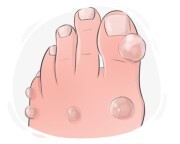
blister
blister
[substantivo]

a swollen area on the skin filled with liquid, caused by constant rubbing or by burning

bolha, vesícula

bolha, vesícula

Ex: A blister is a small pocket of fluid that forms on the skin, typically caused by friction, burns, or other injuries. 
Fechar
Entrar
lump
lump
[substantivo]

a swollen area under the skin, usually caused by a sickness or injury

caroço, inchaço

caroço, inchaço

Ex: A lump is a localized swelling or protuberance that can be felt under the skin or within the body. 
Fechar
Entrar
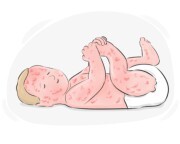
rash
rash
[substantivo]

a part of one's skin covered with red spots, which is usually caused by a sickness or an allergic reaction

erupção cutânea, vermelhidão

erupção cutânea, vermelhidão

Ex: A rash is a change in the skin's appearance, often characterized by redness, bumps, or blisters. 
Fechar
Entrar
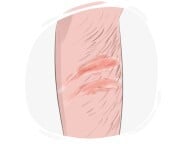
scar
scar
[substantivo]

a mark that is left on one's skin after a wound or cut has healed

cicatriz, marca

cicatriz, marca

Ex: A scar is a permanent mark on the skin that remains after a wound or injury has healed. 
Fechar
Entrar
swelling
swelling
[substantivo]

an area of one's body that has become unusually larger, caused by an injury or sickness

inchaço, edema

inchaço, edema

Ex: Swelling often occurs as a response to injury, infection, or inflammation, causing the affected area to become larger and tender. 
Fechar
Entrar
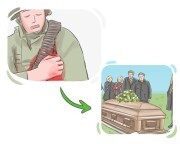
collapse
collapse
[substantivo]

a situation in which a person suddenly falls down or loses consciousness because of tiredness or an illness

colapso, desmaio

colapso, desmaio

Ex: A collapse refers to a sudden loss of consciousness or falling down due to exhaustion, illness, or another medical condition. 
Fechar
Entrar
fatigue
fatigue
[substantivo]

a feeling of extreme tiredness that is usually caused by physical or mental overwork or exercise

fadiga, exaustão

fadiga, exaustão

Ex: Fatigue is a state of extreme tiredness and exhaustion that can result from physical or mental exertion. 
Fechar
Entrar
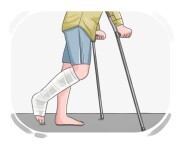
fracture
fracture
[substantivo]

a crack or break in a bone or other hard substance

fratura,  quebra

fratura, quebra

Ex: A fracture is a medical term used to describe a crack or break in a bone or hard substance. 
Fechar
Entrar
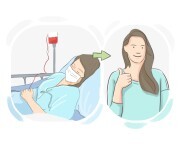
to bounce back

to regain health after an illness or become successful again after facing difficulties

recuperar-se, retornar

recuperar-se, retornar

Ex: The athlete bounced back after a long injury, surprising everyone. 
Fechar
Entrar
to complain of

to state that one feels ill or one's body part is in pain

queixar-se de, relatar dor em

queixar-se de, relatar dor em

Ex: She came to the doctor's office to complain of persistent headaches that had been troubling her for weeks. 
Fechar
Entrar
to faint
to faint
[verbo]

to suddenly lose consciousness from a lack of oxygen in the brain, which is caused by a shock, etc.

desmaiar, perder os sentidos

desmaiar, perder os sentidos

Ex: Witnessing the accident made her faint, and she collapsed on the spot. 
Fechar
Entrar
to infect
to infect
[verbo]

to transmit a disease to a person, animal, or plant

infectar, contagiar

infectar, contagiar

Ex: Contaminated water sources can infect individuals with waterborne diseases. 
Fechar
Entrar
addict
addict
[substantivo]

someone who cannot stop taking, using, or smoking a substance

viciado, dependente

viciado, dependente

Ex: The rehab center provides support and treatment for addicts struggling with substance abuse. 
Fechar
Entrar
carrier
carrier
[substantivo]

a person or animal that carries a disease, without suffering from it themselves, and transmits to other people or animals

portador, vetor

portador, vetor

Ex: Although he showed no symptoms, he was identified as a carrier of the virus, spreading it unknowingly to others. 
Fechar
Entrar
epidemic
epidemic
[substantivo]

the rapid spread of an infectious disease within a specific population, community, or region, affecting a significant number of individuals at the same time

epidemia, surtto epidêmico

epidemia, surtto epidêmico

Ex: The epidemic caused a surge in hospital admissions. 
Fechar
Entrar
pandemic
pandemic
[substantivo]

a disease that spreads across a large region or even across the world

pandemia, epidemia global

pandemia, epidemia global

Ex: The COVID-19 pandemic has impacted nearly every person on the planet. 
Fechar
Entrar
outbreak
outbreak
[substantivo]

the unexpected start of something terrible, such as a disease

surto, epidemia

surto, epidemia

Ex: The sudden outbreak of the flu caused widespread panic in the city. 
Fechar
Entrar
parasite
parasite
[substantivo]

(biology) a small organism that lives on or inside another organism, called a host, and is dependent on it for nutrition and growth

parasita, organismo parasita

parasita, organismo parasita

Ex: The mosquito is a well-known parasite that feeds on the blood of its host, often transmitting diseases in the process. 
Fechar
Entrar
shiver
shiver
[substantivo]

a brief shaking movement of one's body as a result of fear or being cold

calafrio, tremor

calafrio, tremor

Ex: Despite the heavy blanket, she couldn't stop the uncontrollable shiver that ran through her body due to the high fever. 
Fechar
Entrar
worn out
worn out
[adjetivo]

exhausted because of too much physical work

exausto,  esgotado

exausto, esgotado

Ex: After working a double shift at the hospital, she felt completely worn out and could barely keep her eyes open. 
Fechar
Entrar
stuffy
stuffy
[adjetivo]

having difficulty breathing through one's nose, often due to a cold or allergy

entupido, congestionado

entupido, congestionado

Ex: During the flu season, many people experience having a stuffy nose, making it challenging to breathe comfortably. 
Fechar
Entrar
to chafe
to chafe
[verbo]

(of a body part) to become sore or irritated due to being rubbed against something

esfolar, irritar

esfolar, irritar

Ex: After the long hike, the straps of his backpack caused his shoulders to chafe, leaving red marks. 
Fechar
Entrar
LanGeek
Baixar o aplicativo LanGeek