
Список Слов Уровня C1 - Болезнь
Здесь вы выучите некоторые английские слова о болезнях, такие как "агония", "головокружение", "астма" и т.д., подготовленные для учащихся уровня C1.
Обзор
Флэш-карточки
Правописание
Тест

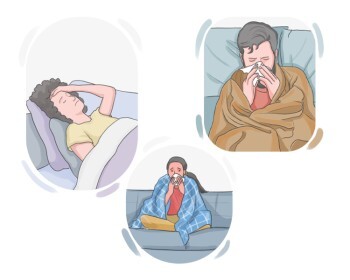
an illness, often a minor one

заболевание
Она посетила врача, чтобы обсудить свою постоянную болезнь желудка.
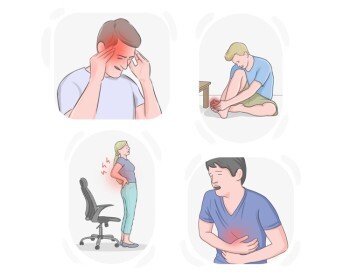
severe physical or mental pain
мучения
Пациент годами терпел агонию хронических мигреней.

a group of medical signs that indicate a person is suffering from a particular disease or condition
синдром
Синдром Дауна — это генетическое расстройство, характеризующееся умственной отсталостью и отличительными чертами лица.
characterized by severe intensity or seriousness
резкий
Пациент испытал острую боль в груди, что привело к немедленному посещению отделения неотложной помощи.

(of an illness) difficult to cure and long-lasting
хронический
Хроническая астма Мэри требует ежедневного приема лекарств для контроля симптомов.
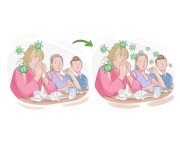
(of a disease) transmittable from one person to another through close contact
заразный
COVID-19 очень заразен, легко распространяясь среди людей в многолюдных местах.
unable to breathe easily
бездыханный
Приступ астмы оставил его запыхавшимся и борющимся за воздух.
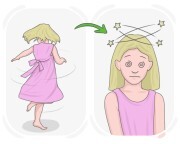
unable to keep one's balance and feeling as though everything is circling around one, caused by an illness or looking down from a high place
головокружение
Она почувствовала головокружение и лёгкость в голове, слишком быстро встав.
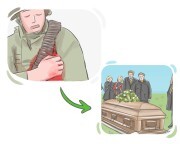
resulting in death
смертельный
Автомобильная авария вызвала смертельные травмы у водителя, что привело к его смерти на месте.
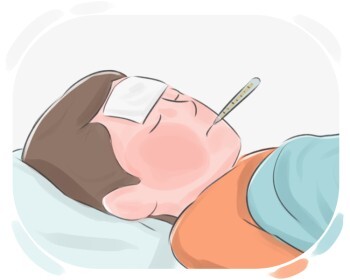
having or caused by a fever
лихорадочный
Она чувствовала себя лихорадочно и у неё был озноб после того, как она заболела гриппом.
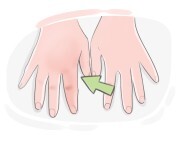
(of a part of the body) unusually large, particularly because of an injury or illness
опухший
После того как она подвернула лодыжку, нога Сары стала опухшей и болезненной.
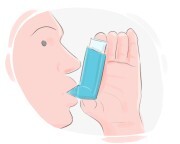
a disease that causes shortness of breath and difficulty in breathing
астма
Астма — это хроническое заболевание легких, характеризующееся воспалением и сужением дыхательных путей.
a dangerous disease among birds, especially poultry, that can be transmitted to humans and sometimes kill them
птичий грипп
Птичий грипп, также известный как птичий грипп, это вирусная инфекция, которая в первую очередь поражает птиц.
an infectious disease caused by a type of virus called coronavirus that causes fever, tiredness, a cough, etc., and in some cases can kill, originated in China and later became a pandemic
Ковид-19
COVID-19, вызванный новым коронавирусом SARS-CoV-2, возник как глобальная пандемия в начале 2020 года.
a medical condition in which body waste turns to liquid and comes out frequently
понос
Диарея характеризуется жидким, водянистым стулом, который происходит часто в течение дня.
an illness that causes a runny nose and watery eyes, caused by dust from plants that come into the body through the air
сенная лихорадка
Сенная лихорадка, также известная как аллергический ринит, представляет собой аллергическую реакцию на пыльцу или другие воздушные аллергены.
the virus that causes a very dangerous disease called AIDS, transmitted through blood or sexual activity
ВИЧ
ВИЧ атакует иммунную систему и ослабляет способность организма бороться с инфекциями.
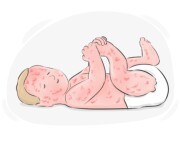
a contagious disease that causes high fever and small red spots on the body, common in children
корь
Корь — это высококонтагиозная вирусная инфекция, которая в первую очередь поражает детей.
a dangerous disease spread by rats that causes fever and swellings, often kills if infected
чума
Чума, также известная как Чёрная смерть, — это смертельное инфекционное заболевание, вызываемое бактерией Yersinia pestis.
a dangerous condition in which a person loses consciousness as a result of a blood vessel breaking open or becoming blocked in their brain, which could kill or paralyze a part of their body
инсульт
Инсульт происходит, когда кровеносный сосуд в головном мозге либо блокируется (ишемический инсульт), либо разрывается (геморрагический инсульт).
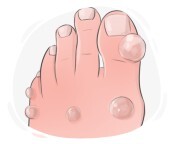
a swollen area on the skin filled with liquid, caused by constant rubbing or by burning
волдырь
Волдырь — это небольшой мешочек с жидкостью, который образуется на коже, обычно вызванный трением, ожогами или другими травмами.
a swollen area under the skin, usually caused by a sickness or injury
шишка
Шишка — это локализованная опухоль или выступ, который можно почувствовать под кожей или внутри тела.
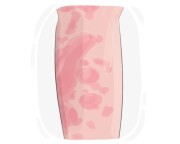
a part of one's skin covered with red spots, which is usually caused by a sickness or an allergic reaction
сыпь
Сыпь — это изменение внешнего вида кожи, часто характеризующееся покраснением, бугорками или волдырями.
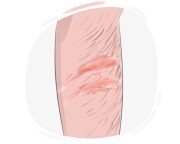
a mark that is left on one's skin after a wound or cut has healed
шрам
Шрам — это постоянный след на коже, который остается после заживления раны или травмы.
an area of one's body that has become unusually larger, caused by an injury or sickness
припухлость
Отек часто возникает как реакция на травму, инфекцию или воспаление, вызывая увеличение и болезненность пораженного участка.
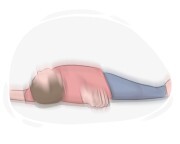
a situation in which a person suddenly falls down or loses consciousness because of tiredness or an illness
коллапс, обморок
Коллапс относится к внезапной потере сознания или падению из-за истощения, болезни или другого медицинского состояния.

a feeling of extreme tiredness that is usually caused by physical or mental overwork or exercise
усталость
Усталость — это состояние крайней усталости и истощения, которое может быть результатом физического или умственного напряжения.
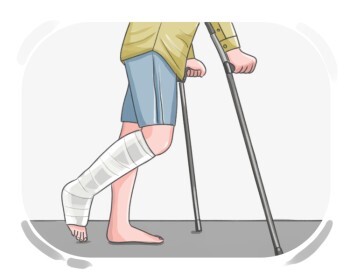
a crack or break in a bone or other hard substance
перелом
Перелом — это медицинский термин, используемый для описания трещины или разлома в кости или твердом веществе.
to regain health after an illness or become successful again after facing difficulties
оправиться
Спортсмен оправился после долгой травмы, удивив всех.
to state that one feels ill or one's body part is in pain
пожаловаться на
Она пришла в кабинет врача, чтобы пожаловаться на постоянные головные боли, которые беспокоили ее в течение недель.
to suddenly lose consciousness from a lack of oxygen in the brain, which is caused by a shock, etc.
падать в обморок
Наблюдение за аварией заставило её потерять сознание, и она рухнула на месте.
to transmit a disease to a person, animal, or plant
заражаться
Загрязнённые источники воды могут заражать людей болезнями, передающимися через воду.

someone who cannot stop taking, using, or smoking a substance
наркоман
Реабилитационный центр оказывает поддержку и лечение наркоманам, борющимся со злоупотреблением психоактивными веществами.
a person or animal that carries a disease, without suffering from it themselves, and transmits to other people or animals
носитель
Хотя у него не было симптомов, он был идентифицирован как носитель вируса, распространяя его неосознанно среди других.
the rapid spread of an infectious disease within a specific population, community, or region, affecting a significant number of individuals at the same time
эпидемия, вспышка болезни
Эпидемия вызвала всплеск госпитализаций.
a disease that spreads across a large region or even across the world
пандемия
Пандемии могут распространять болезни по всему миру из-за увеличения международных поездок и торговых сетей.
the unexpected start of something terrible, such as a disease
вспышка
Внезапная вспышка гриппа вызвала широкую панику в городе.
(biology) a small organism that lives on or inside another organism, called a host, and is dependent on it for nutrition and growth
паразит
Комар — это хорошо известный паразит, который питается кровью своего хозяина, часто передавая болезни в процессе.
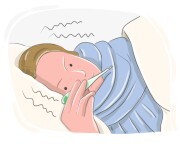
a brief shaking movement of one's body as a result of fear or being cold
дрожь
Несмотря на толстое одеяло, она не могла остановить неконтролируемую дрожь, которая пробежала по ее телу из-за высокой температуры.
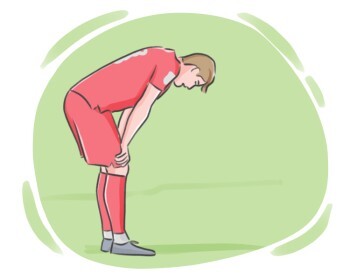
exhausted because of too much physical work
изношенный
После работы в двойную смену в больнице, она чувствовала себя полностью измотанной и едва могла держать глаза открытыми.
having difficulty breathing through one's nose, often due to a cold or allergy
заложен
Во время сезона гриппа многие люди испытывают заложенность носа, что затрудняет комфортное дыхание.
(of a body part) to become sore or irritated due to being rubbed against something
натирать
После долгого похода лямки его рюкзака вызвали раздражение на плечах, оставив красные следы.
