pattern

C1 Ordlista - Sjukdom

Här kommer du att lära dig några engelska ord om sjukdom, såsom "agony", "dizzy", "asthma" etc., förberedda för C1-inlärarna.

Recension

Flashcards

Stavning

Quiz

Starta lärandet
CEFR C1 Vocabulary
ailment
ailment
[Substantiv]

an illness, often a minor one

sjukdom, besvär

sjukdom, besvär

Ex: A healthy diet and regular exercise can prevent many common ailments. 

En hälsosam kost och regelbunden träning kan förhindra många vanliga besvär.
Stäng
Logga in
agony
agony
[Substantiv]

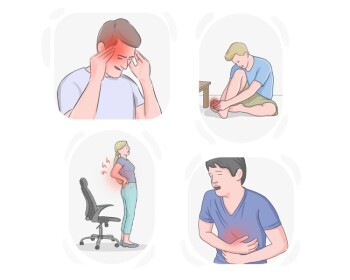
severe physical or mental pain

plåga, lidande

plåga, lidande

Ex: Individuals with kidney stones often describe the episodes as moments of intense agony. 
Stäng
Logga in
syndrome
syndrome
[Substantiv]

a recognizable group of signs and symptoms that occur together and characterize a particular medical condition

syndrom

syndrom

Ex: Some people with the syndrome experience severe headaches. 
Stäng
Logga in
acute
acute
[adjektiv]

extremely severe, intense, or serious

akut,  allvarlig

akut, allvarlig

Ex: There is an acute need for additional housing in the city. 
Stäng
Logga in
chronic
chronic
[adjektiv]

(of an illness) difficult to cure and long-lasting

kronisk, långvarig

kronisk, långvarig

Ex: Despite following a strict diet, Tim's chronic diabetes requires constant monitoring of his blood sugar levels. 

Trots att följa en strikt diet, kräver Tims kroniska diabetes ständig övervakning av hans blodsockernivåer.
Stäng
Logga in
contagious
contagious
[adjektiv]

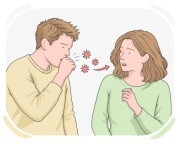
(of a disease) transmittable from one person to another through close contact

smittsam
smittsam

Ex: Healthcare workers take precautions to prevent the spread of contagious illnesses in hospitals. 
Stäng
Logga in
breathless
breathless
[adjektiv]

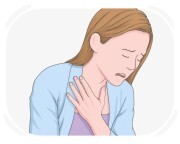
unable to breathe easily

andlös, flåsande
andlös, flåsande

Ex: COVID-19 patients with severe respiratory symptoms may become breathless and require oxygen support. 
Stäng
Logga in
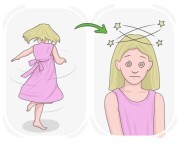
dizzy
dizzy
[adjektiv]

unable to keep one's balance and feeling as though everything is circling around one, caused by an illness or looking down from a high place

yr, svindlande

yr, svindlande

Ex: Vertigo can make individuals feel dizzy as if the room is spinning around them. 

Vertigo kan få individer att känna sig yr som om rummet snurrar runt dem.
Stäng
Logga in
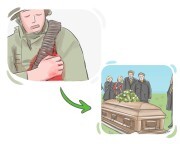
fatal
fatal
[adjektiv]

resulting in death

dödlig, fatal

dödlig, fatal

Ex: Despite the surgeon's efforts, the patient's gunshot wound proved fatal. 

Trots kirurgens ansträngningar visade sig patientens skottskada vara dödlig.
Stäng
Logga in
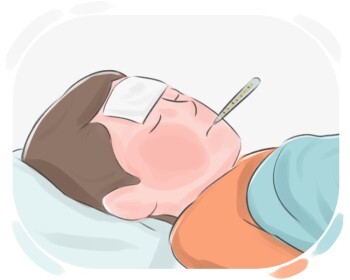
feverish
feverish
[adjektiv]

having or caused by a fever

febrig, feberaktig

febrig, feberaktig

Ex: The doctor recommended rest and fluids to manage his feverish condition. 

Läkaren rekommenderade vila och vätskor för att hantera hans febriga tillstånd.
Stäng
Logga in
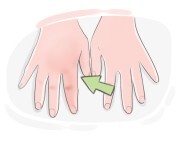
swollen
swollen
[adjektiv]

(of a part of the body) unusually large, particularly because of an injury or illness

svullen, uppsvullen

svullen, uppsvullen

Ex: He iced his swollen knee to reduce the pain. 

Han isade sitt svullna knä för att minska smärtan.
Stäng
Logga in
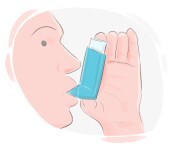
asthma
asthma
[Substantiv]

a disease that causes shortness of breath and difficulty in breathing

astma, luftvägssjukdom

astma, luftvägssjukdom

Ex: Treatment for asthma often includes inhalers that deliver medication to open the airways and reduce inflammation. 

Behandling av astma inkluderar ofta inhalatorer som levererar medicin för att öppna luftvägarna och minska inflammation.
Stäng
Logga in
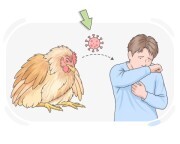
bird flu
bird flu
[Substantiv]

a dangerous disease among birds, especially poultry, that can be transmitted to humans and sometimes kill them

fågelinfluensa, aviär influensa

fågelinfluensa, aviär influensa

Ex: Health authorities monitor outbreaks of bird flu closely to prevent its spread among poultry and humans. 
Stäng
Logga in
Covid-19
Covid-19
[Substantiv]

an infectious disease caused by a type of virus called coronavirus that causes fever, tiredness, a cough, etc., and in some cases can kill, originated in China and later became a pandemic

COVID-19, coronasjukan 2019

COVID-19, coronasjukan 2019

Ex: Vaccines have been developed and distributed worldwide to combat COVID-19 and reduce its impact on public health. 

Vacciner har utvecklats och distribuerats över hela världen för att bekämpa COVID-19 och minska dess inverkan på den allmänna hälsan.
Stäng
Logga in
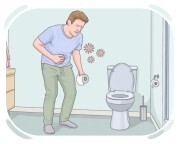
diarrhea
diarrhea
[Substantiv]

a medical condition in which body waste turns to liquid and comes out frequently

diarré, rännskita
diarré, rännskita

Ex: Treatment for diarrhea often includes rehydration with fluids and electrolytes to prevent dehydration. 
Stäng
Logga in
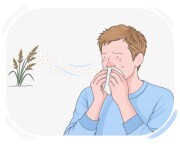
hay fever
hay fever
[Substantiv]

an illness that causes a runny nose and watery eyes, caused by dust from plants that come into the body through the air

hösnuva, allergisk rinit
hösnuva, allergisk rinit

Ex: Antihistamines and nasal corticosteroids are commonly used to relieve hay fever symptoms. 
Stäng
Logga in
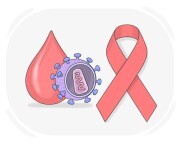
HIV
HIV
[Substantiv]

human immunodeficiency virus, a virus that attacks the immune system and can lead to AIDS if untreated

hiv
hiv

Ex: Effective treatment can reduce the amount of HIV in the blood to undetectable levels. 
Stäng
Logga in
measles
measles
[Substantiv]

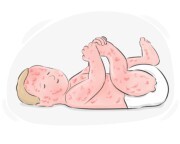
a contagious disease that causes high fever and small red spots on the body, common in children

mässling, mässlingssjukdom

mässling, mässlingssjukdom

Ex: Vaccination with the measles, mumps, and rubella (MMR) vaccine is highly effective in preventing measles. 

Vaccination med vaccin mot mässling, påssjuka och röda hund (MPR) är mycket effektiv för att förebygga mässling.
Stäng
Logga in
plague
plague
[Substantiv]

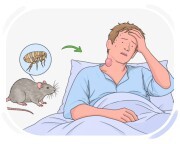
a dangerous disease spread by rats that causes fever and swellings, often kills if infected

pesten, den svarta döden
pesten, den svarta döden

Ex: Historical outbreaks of the plague have had devastating consequences, including widespread mortality during pandemics such as the Black Death in the 14th century. 
Stäng
Logga in
stroke
stroke
[Substantiv]

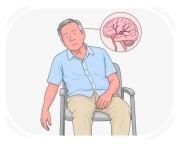
a dangerous condition in which a person loses consciousness as a result of a blood vessel breaking open or becoming blocked in their brain, which could kill or paralyze a part of their body

stroke, slaganfall
stroke, slaganfall

Ex: He was taken to the hospital after suffering a stroke. 
Stäng
Logga in
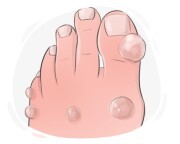
blister
blister
[Substantiv]

a swollen area on the skin filled with liquid, caused by constant rubbing or by burning

blåsa, vesikel

blåsa, vesikel

Ex: To treat a blister, it's important to keep it clean, avoid popping it if possible to prevent infection, and protect it with a bandage or padding. 

För att behandla en blåsa är det viktigt att hålla den ren, undvika att spräcka den om möjligt för att förhindra infektion och skydda den med en bandage eller padding.
Stäng
Logga in
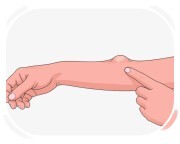
lump
lump
[Substantiv]

a swelling or hard mass in or on the body, especially one caused by illness or injury

knöl, svullnad
knöl, svullnad

Ex: She found a lump in her breast and made a medical appointment. 
Stäng
Logga in
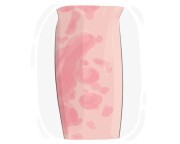
rash
rash
[Substantiv]

a part of one's skin covered with red spots, which is usually caused by a sickness or an allergic reaction

utslag, rodnad

utslag, rodnad

Ex: Symptoms of a rash may include itching, burning, or discomfort in the affected area. 

Symptom på utslag kan inkludera klåda, brännande känsla eller obehag i det drabbade området.
Stäng
Logga in
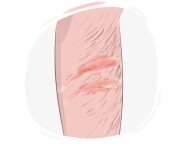
scar
scar
[Substantiv]

a mark that is left on one's skin after a wound or cut has healed

ärr, märke

ärr, märke

Ex: While scars cannot be completely removed, treatments such as laser therapy, steroid injections, or surgical revision can help improve their appearance. 

Även om ärr inte kan tas bort helt, kan behandlingar som laserterapi, steroidinjektioner eller kirurgisk revision hjälpa till att förbättra deras utseende.

Stäng
Logga in
swelling
swelling
[Substantiv]

an area of one's body that has become unusually larger, caused by an injury or sickness

svullnad, ödem

svullnad, ödem

Ex: If swelling persists or is accompanied by severe pain, redness, or warmth, it may be a sign of a more serious condition that requires medical attention. 

Om svullnaden kvarstår eller åtföljs av stark smärta, rodnad eller värme, kan det vara ett tecken på ett allvarligare tillstånd som kräver medicinsk uppmärksamhet.
Stäng
Logga in
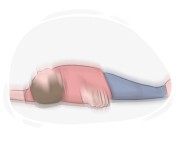
collapse
collapse
[Substantiv]

a situation in which a person suddenly falls down or loses consciousness because of tiredness or an illness

kollaps, svimning

kollaps, svimning

Ex: His sudden collapse worried everyone nearby. 
Stäng
Logga in
fatigue
fatigue
[Substantiv]

a feeling of extreme tiredness that is usually caused by physical or mental overwork or exercise

trötthet, utmattning

trötthet, utmattning

Ex: Managing fatigue often involves getting adequate rest, maintaining a balanced diet, staying hydrated, and practicing stress-reduction techniques. 

Att hantera trötthet innebär ofta att få tillräcklig vila, upprätthålla en balanserad kost, hålla sig hydrerad och praktisera tekniker för stressreducering.
Stäng
Logga in
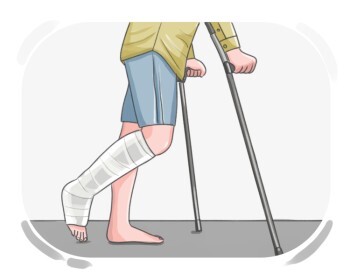
fracture
fracture
[Substantiv]

a crack or break in a bone or other hard substance

fraktur,  brott

fraktur, brott

Ex: Treatment for a fracture depends on its severity and location but may include immobilization with a cast or splint, medications for pain and inflammation, and sometimes surgery. 

Behandling av en fraktur beror på dess allvarlighetsgrad och plats men kan inkludera immobilisering med gips eller skena, läkemedel för smärta och inflammation, och ibland kirurgi.
Stäng
Logga in
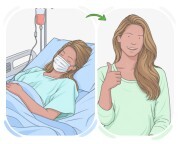
to bounce back

to regain health after an illness or become successful again after facing difficulties

återhämta sig, studsa tillbaka

återhämta sig, studsa tillbaka

Ex: The athlete worked hard to bounce back from a sports-related injury. 

Atleten arbetade hårt för att återhämta sig från en idrottsrelaterad skada.
Stäng
Logga in
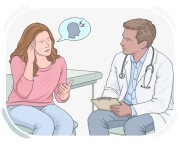
to complain of

to state that one feels ill or one's body part is in pain

klaga på, uppge smärta i

klaga på, uppge smärta i

Ex: The residents gathered at the town hall meeting to complain of the worsening traffic congestion in their neighborhood. 
Stäng
Logga in
to faint
to faint
[Verb]

to lose consciousness for a short time, especially because of heat, pain, shock, or weakness

svimma
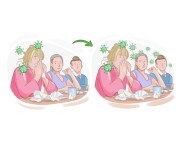
svimma

Ex: He became dizzy and fainted in the hallway. 
Stäng
Logga in
to infect
to infect
[Verb]

to transmit a disease to a person, animal, or plant

infektera, smitta

infektera, smitta

Ex: Last month, the outbreak quickly infected a significant number of people. 

Förra månaden smittade utbrottet snabbt ett betydande antal människor.

Stäng
Logga in
addict
addict
[Substantiv]

someone who cannot stop taking, using, or smoking a substance

missbrukare, beroende

missbrukare, beroende

Ex: He never imagined he would become an addict, but his dependence on painkillers grew stronger after the accident. 

Han hade aldrig föreställt sig att han skulle bli en missbrukare, men hans beroende av smärtstillande medel blev starkare efter olyckan.
Stäng
Logga in
carrier
carrier
[Substantiv]

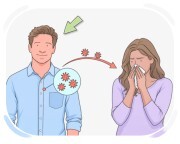
a person or animal that carries an infectious agent without showing symptoms and can transmit it to others

bärare,  smittbärare
bärare, smittbärare

Ex: Some carriers continue to spread the bacteria for several weeks. 
Stäng
Logga in
epidemic
epidemic
[Substantiv]

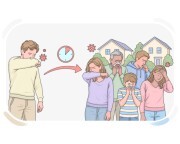
the rapid spread of an infectious disease within a specific population, community, or region, affecting a significant number of individuals at the same time

epidemi, sjukdomsutbrott
epidemi, sjukdomsutbrott

Ex: The government launched a vaccination campaign during the epidemic. 
Stäng
Logga in
pandemic
pandemic
[Substantiv]

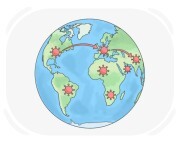
a disease that spreads across a large region or even across the world

pandemi, global epidemi
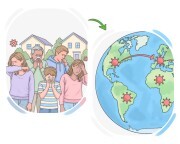
pandemi, global epidemi

Ex: Pandemics can spread illness globally due to increased international travel and trade networks. 
Stäng
Logga in
outbreak
outbreak
[Substantiv]

the unexpected start of something terrible, such as a disease

utbrott, epidemi
utbrott, epidemi

Ex: The outbreak of the disease forced several schools to close. 
Stäng
Logga in
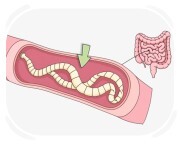
parasite
parasite
[Substantiv]

(biology) a small organism that lives on or inside another organism, called a host, and is dependent on it for nutrition and growth

parasit, parasitisk organism
parasit, parasitisk organism

Ex: Scientists are studying the life cycle of the parasite to develop better treatments and preventative measures for the diseases it causes. 
Stäng
Logga in
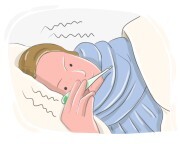
shiver
shiver
[Substantiv]

a brief involuntary shaking movement caused by cold, fear, illness, or strong emotion

rysning,  skakning
rysning, skakning

Ex: Jake felt a shiver pass through his body as the fever rose. 
Stäng
Logga in
worn out
worn out
[adjektiv]

exhausted because of too much physical work

utmattad,  utarbetad

utmattad, utarbetad

Ex: The children's teacher was worn out by the end of the day, having managed a classroom full of energetic students. 

Barnens lärare var utmattad vid dagens slut, efter att ha hanterat ett klassrum fullt av energiska elever.
Stäng
Logga in
stuffy
stuffy
[adjektiv]

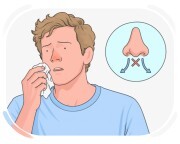
having difficulty breathing through one's nose, often due to a cold or allergy

täppt, igentäppt

täppt, igentäppt

Ex: Trying to sleep with a stuffy nose can be frustrating as it interferes with normal breathing patterns. 
Stäng
Logga in
to chafe
to chafe
[Verb]

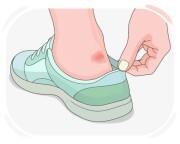
(of a body part) to become sore or irritated due to being rubbed against something

skava, irritera

skava, irritera

Ex: The constant rubbing of the collar against his neck made it chafe, prompting him to switch to a softer fabric. 
Stäng
Logga in
LanGeek
Ladda ner LanGeek app