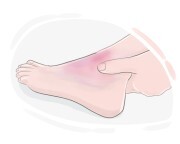
pattern

Vocabulaire Essentiel pour le TOEFL - Conditions Physiques et Blessures

Ici, vous apprendrez quelques mots anglais sur les conditions physiques et les blessures, tels que "blessure", "obésité", "étourdissement", etc., nécessaires pour l'examen TOEFL.

Réviser

Flashcards

formes

Orthographe

Quiz
Commencer à apprendre
Essential Words Needed for TOEFL
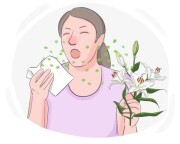
allergy
allergy
[nom]

a medical condition in which one's body severely reacts to a specific substance if it is inhaled, touched, or ingested

allergie

allergie

Ex: He carries an epinephrine injector at all times due to his severe bee sting allergy. 

Il porte un injecteur d'épinéphrine en permanence en raison de sa grave allergie aux piqûres d'abeilles.

nausea
nausea
[nom]

the feeling of discomfort in the stomach, often with the urge to vomit

nausée

nausée

Ex: The long car ride through winding roads gave her a sense of nausea. 

Le long trajet en voiture sur des routes sinueuses lui a donné une sensation de nausée.
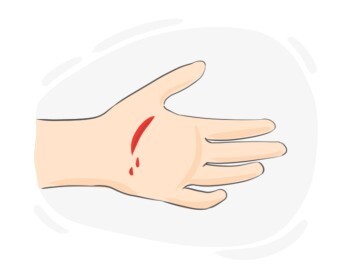
wound
wound
[nom]

an injury inflicted on the body especially one that seriously damages the skin or the flesh

blessure
blessure

Ex: She cleaned the wound carefully to prevent infection. 

Elle a nettoyé la blessure soigneusement pour prévenir l'infection.

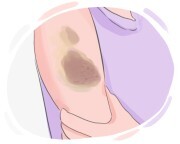
bruise
bruise
[nom]

an injury on the skin that appears as a dark mark, caused by a blow involving the rupture of vessels underneath

bleu, contusion

bleu, contusion

Ex: The athlete played through the pain of a bruise on her thigh, determined to finish the game despite the discomfort. 

L'athlète a joué malgré la douleur d'une contusion sur sa cuisse, déterminée à terminer le match malgré l'inconfort.
scar
scar
[nom]

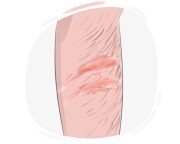
a mark that is left on one's skin after a wound or cut has healed

cicatrice, balafre

cicatrice, balafre

Ex: Scars can vary in appearance, from flat and pale to raised and red, depending on the type of injury and individual healing process. 

Les cicatrices peuvent varier en apparence, de plates et pâles à surélevées et rouges, selon le type de blessure et le processus de guérison individuel.
migraine

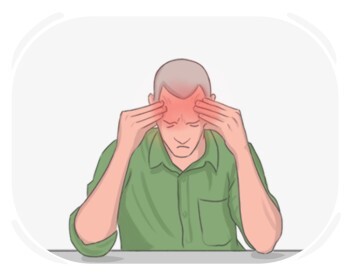
a severe recurring type of headache, particularly affecting one side of the head, and often causing visual disturbances and nausea

migraine

migraine

Ex: His migraine lasted for hours, making it hard to focus on anything. 

Sa migraine a duré des heures, ce qui rendait difficile de se concentrer sur quoi que ce soit.
obesity
obesity
[nom]

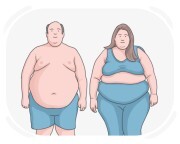
the condition of having such a high amount of body fat that it becomes very dangerous for one's health

obésité

obésité

Ex: The prevalence of obesity is associated with various factors, including sedentary lifestyles, poor dietary habits, and genetic predisposition. 

La prévalence de l'obésité est associée à divers facteurs, notamment les modes de vie sédentaires, les mauvaises habitudes alimentaires et la prédisposition génétique.
dependent
dependent
[Adjectif]

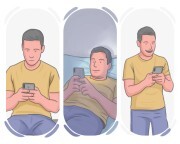
not able to stop taking or using something

dépendant
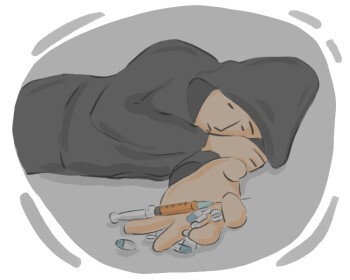
dépendant

Ex: She's dependent on caffeine to get through the day. 

Elle est dépendante à la caféine pour passer la journée.

to overdose

to take an excessive and dangerous amount of a drug or medicine

faire une overdose

faire une overdose

Ex: Many deaths are caused each year by overdosing on opioids. 

De nombreux décès sont causés chaque année par une surdose d'opioïdes.
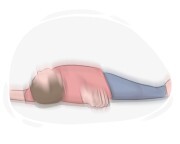
unconscious
unconscious
[Adjectif]

(of a person) unresponsive and unaware of the surroundings, usually due to an illness or injury

sans connaissance, évanoui

sans connaissance, évanoui

Ex: He was found unconscious on the floor of his apartment and rushed to the hospital. 

Il a été retrouvé inconscient sur le sol de son appartement et transporté d'urgence à l'hôpital.

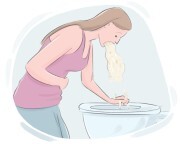
to vomit
to vomit
[verbe]

to eject what has been eaten or drunk through the mouth

vomir

vomir

Ex: The patient often vomits as a side effect of the medication. 

Le patient vomit souvent comme effet secondaire du médicament.
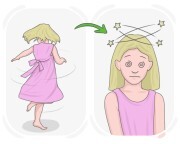
dizzy
dizzy
[Adjectif]

unable to keep one's balance and feeling as though everything is circling around one, caused by an illness or looking down from a high place

avoir la tête qui tourne, pris de vertige

avoir la tête qui tourne, pris de vertige

Ex: Motion sickness can make travelers feel dizzy and nauseous during long car rides. 

Le mal des transports peut rendre les voyageurs étourdis et nauséeux pendant les longs trajets en voiture.

to faint
to faint
[verbe]

to suddenly lose consciousness from a lack of oxygen in the brain, which is caused by a shock, etc.

s'évanouir

s'évanouir

Ex: Prolonged standing in the heat can cause some individuals to faint due to dehydration. 

Rester debout longtemps dans la chaleur peut faire que certaines personnes s'évanouissent en raison de la déshydratation.

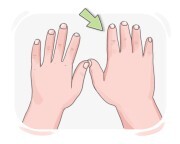
fit
fit
[nom]

a sudden episode in which the body shakes uncontrollably

crise, attaque
crise, attaque

Ex: Doctors treated her immediately after the fit. 

Les médecins l'ont traitée immédiatement après la crise.

to swell
to swell
[verbe]

to become rounder or larger, particularly due to an increase in the amount of fluid

enfler, gonfler

enfler, gonfler

Ex: Allergic reactions can cause the face to swell, making features temporarily larger. 

Les réactions allergiques peuvent provoquer un gonflement du visage, rendant les traits temporairement plus gros.

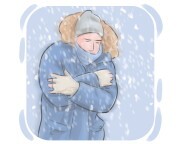
to shiver
to shiver
[verbe]

to shake slightly and repeatedly because of cold

frissonner, trembler

frissonner, trembler

Ex: The hikers shivered beside the dying campfire. 

Les randonneurs frissonnaient à côté du feu de camp mourant.

to relapse
to relapse
[verbe]

to become sick again after an improvement in one's health

faire une rechute, rechuter

faire une rechute, rechuter

to collapse

(of a person) to fall and become unconscious

s'effondrer, tomber inconscient

s'effondrer, tomber inconscient

Ex: The marathon runner collapsed at the finish line after pushing through extreme fatigue. 

Le marathonien s'est effondré à la ligne d'arrivée après avoir surmonté une fatigue extrême.

coma
coma
[nom]

a state of deep unconsciousness, typically of a long duration and caused by a serious injury or severe illness

coma

coma

Ex: After the accident, he fell into a coma and needed intensive care. 

Après l'accident, il est tombé dans un coma et avait besoin de soins intensifs.
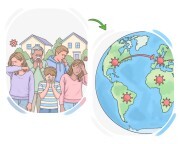
outbreak

the unexpected start of something terrible, such as a disease

épidémie
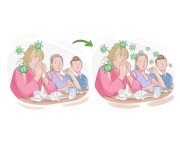
épidémie

Ex: The outbreak of the virus led to immediate quarantine measures. 

L'épidémie du virus a conduit à des mesures de quarantaine immédiates.

to infect
to infect
[verbe]

to transmit a disease to a person, animal, or plant

infecter, contaminer

infecter, contaminer

Ex: Insects, such as mosquitoes, can infect humans with various diseases through bites. 

Les insectes, comme les moustiques, peuvent infecter les humains avec diverses maladies à travers leurs piqûres.
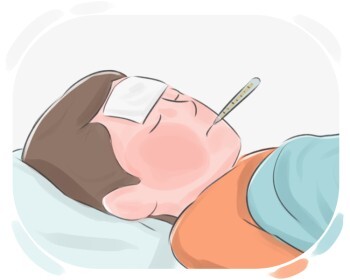
feverish
feverish
[Adjectif]

having or caused by a fever

fiévreux

fiévreux

Ex: The child was restless and feverish throughout the night due to a viral infection. 

L'enfant était agité et fiévreux toute la nuit à cause d'une infection virale.

dehydration

a harmful state in which the body has lost a lot of water

déshydratation

déshydratation

complication

a secondary health condition that makes the treatment of the existing condition harder

complication

complication

to develop
to develop
[verbe]

to start to have a particular disease or problem

développer, contracter
développer, contracter

Ex: After years of smoking, she developed lung cancer and had to undergo extensive treatment. 

Après des années de tabagisme, elle a développé un cancer du poumon et a dû subir un traitement intensif.

severe
severe
[Adjectif]

very harsh or intense

sévère, rigoureux

sévère, rigoureux

Ex: The city experienced severe flooding after the heavy rain. 

La ville a connu des inondations sévères après la forte pluie.

acute
acute
[Adjectif]

(of an illness) suddenly becoming severe but for a short time

aigu

aigu

Ex: Mary experienced acute food poisoning after eating contaminated seafood, leading to severe vomiting and diarrhea. 

Mary a souffert d'une intoxication alimentaire aiguë après avoir mangé des fruits de mer contaminés, entraînant des vomissements et une diarrhée sévères.

scratch
scratch
[nom]

a small cut on the skin caused by something sharp, like a fingernail, thorn, or rough surface

égratignure, éraflure

égratignure, éraflure

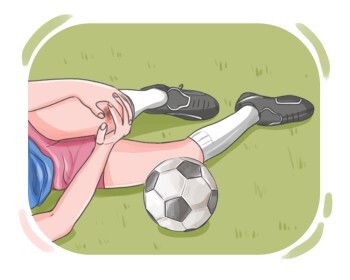
to sprain
to sprain
[verbe]

(of a ligament) to be suddenly twisted, which results in much pain

se fouler, se faire une entorse à

se fouler, se faire une entorse à

Ex: She sprained her wrist after falling on the icy sidewalk. 

Elle s'est foulé le poignet après être tombée sur le trottoir glacé.

burn
burn
[nom]

a mark or injury that is caused by exposure to fire, acid, heat, etc.

brûlure, marque de brûlure
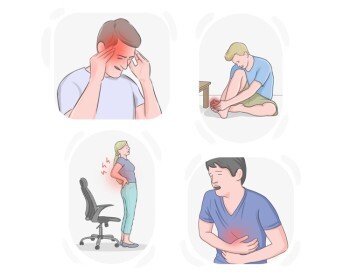
brûlure, marque de brûlure

agony
agony
[nom]

severe physical or mental pain

torture

torture

Ex: The mental agony of waiting for test results can be overwhelming. 

La souffrance mentale d'attendre les résultats des tests peut être accablante.
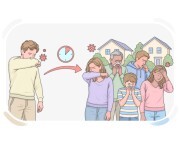
epidemic

the rapid spread of an infectious disease within a specific population, community, or region, affecting a significant number of individuals at the same time

épidémie
épidémie

Ex: Health officials worked to contain the epidemic. 

Les responsables de la santé ont travaillé à contenir l'épidémie.

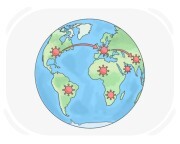
pandemic

a disease that spreads across a large region or even across the world

pandémie

pandémie

Ex: During pandemics, healthcare systems face an enormous strain from the surge in patients. 

Lors des pandémies, les systèmes de santé sont soumis à une pression énorme en raison de l'afflux de patients.

LanGeek
Télécharger l'application LanGeek