
Vocabular Esențial pentru TOEFL - Condiții Fizice și Leziuni
Aici veți învăța câteva cuvinte în engleză despre condiții fizice și răni, cum ar fi "rană", "obezitate", "amețeală" etc., necesare pentru examenul TOEFL.
Revizuire
Fișe de studiu
forme
Ortografie
Chestionar
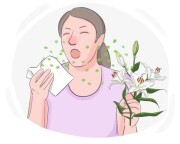
a medical condition in which one's body severely reacts to a specific substance if it is inhaled, touched, or ingested

alergie
Alergia ei la arahide este atât de severă încât chiar și o cantitate mică poate declanșa o reacție gravă.

the feeling of discomfort in the stomach, often with the urge to vomit
greață, senzație de greață
După operație, era normal ca pacienții să raporteze ușoară greață.
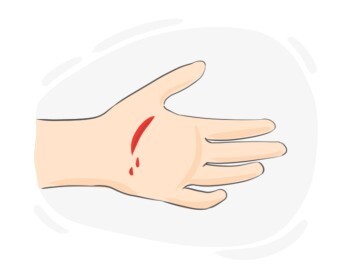
an injury inflicted on the body especially one that seriously damages the skin or the flesh
rană, leziune
Soldatul avea o rană adâncă pe picior din cauza bătăliei.
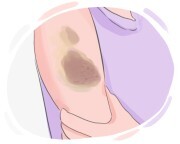
an injury on the skin that appears as a dark mark, caused by a blow involving the rupture of vessels underneath
vânătaie, contuzie
După ce a căzut de pe bicicletă, a observat o vânătaie dureroasă care se forma pe brațul său și care avea să necesite câteva zile pentru a se vindeca.
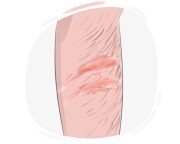
a mark that is left on one's skin after a wound or cut has healed
cicatrice, semn
O cicatrice este un semn permanent pe piele care rămâne după ce o rană sau o leziune s-a vindecat.
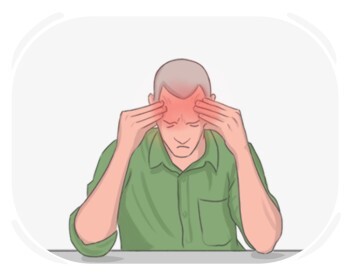
a severe recurring type of headache, particularly affecting one side of the head, and often causing visual disturbances and nausea
migrenă, durere de cap
A trebuit să se întindă într-o cameră întunecată din cauza migrenei sale.
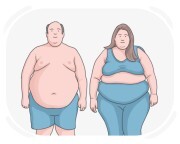
the condition of having such a high amount of body fat that it becomes very dangerous for one's health
obezitate, supraponderalitate
Prevalența obezității este asociată cu diverși factori, inclusiv stiluri de viață sedentare, obiceiuri alimentare proaste și predispoziție genetică.
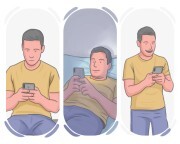
not able to stop taking or using something
dependent
A devenit dependent de calmante după operație.
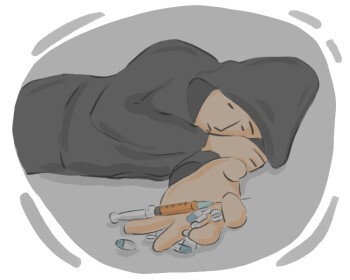
to take an excessive and dangerous amount of a drug or medicine
a face o supradoză, a lua o supradoză
El a luat accidental o supradoză de analgezice.
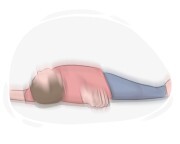
(of a person) unresponsive and unaware of the surroundings, usually due to an illness or injury
inconștient, leșinat
Pacientul a rămas inconștient după accident până la sosirea paramedicilor.
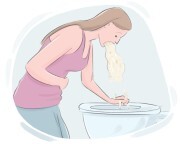
to eject what has been eaten or drunk through the mouth
voma, borî
Ea vomită uneori după ce mănâncă anumite alimente.
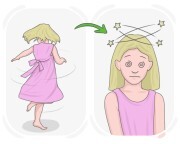
unable to keep one's balance and feeling as though everything is circling around one, caused by an illness or looking down from a high place
amețit, vertiginos
S-a simțit amețită și cu capul ușor după ce s-a ridicat prea repede.
to suddenly lose consciousness from a lack of oxygen in the brain, which is caused by a shock, etc.
leșina, pierde cunoștința
Să fie martor la accident a făcut-o să leșine, și a căzut pe loc.
a sudden episode in which the body shakes uncontrollably
criză, convulsie
Copilul a avut o criză în timpul bolii.
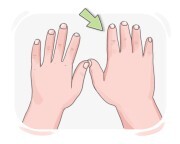
to become rounder or larger, particularly due to an increase in the amount of fluid
se umfla, se inflama
După ce și-a învârtit glezna, a început să se umfle, indicând inflamație.
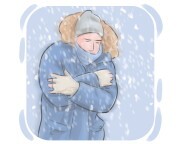
to shake slightly and repeatedly because of cold
tremura, fiori
El tremura în vântul înghețat.
to become sick again after an improvement in one's health
recidiva, a avea o recidivă
(of a person) to fall and become unconscious
a leșina, a se prăbuși
Epuizat de căldura intensă, s-a prăbușit pe trotuar și a pierdut cunoștința.
a state of deep unconsciousness, typically of a long duration and caused by a serious injury or severe illness
comă, stare de comă
Pacientul a rămas în comă timp de câteva săptămâni.
the unexpected start of something terrible, such as a disease
izbucnire, epidemie
Izbucnirea bruscă a gripei a provocat panică larg răspândită în oraș.
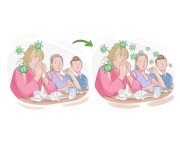
to transmit a disease to a person, animal, or plant
a infecta, a contamina
Sursele de apă contaminate pot infecta persoanele cu boli transmise prin apă.
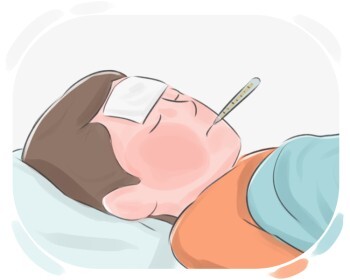
having or caused by a fever
febril, cu febră
Se simțea febrilă și avea frisoane după ce a luat gripă.
a secondary health condition that makes the treatment of the existing condition harder
complicație, complicație medicală
to start to have a particular disease or problem
dezvolta, a contracta
În ciuda unui stil de viață sănătos, el a dezvoltat hipertensiune arterială la sfârșitul anilor cincizeci.
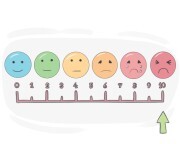
very harsh or intense
grav, sever
Orașul a cunoscut inundații severe după ploaia torențială.
(of an illness) suddenly becoming severe but for a short time
acut, grav
Jack a fost spitalizat din cauza unui atac acut de apendicită.
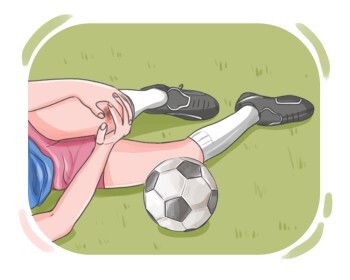
a small cut on the skin caused by something sharp, like a fingernail, thorn, or rough surface
zgârietură, scratoșcă
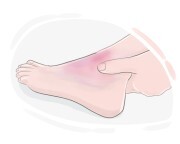
(of a ligament) to be suddenly twisted, which results in much pain
a se entorsa, a se luxa
Și-a entors glezna în timp ce juca baschet.
a mark or injury that is caused by exposure to fire, acid, heat, etc.
arsură, semn de arsură
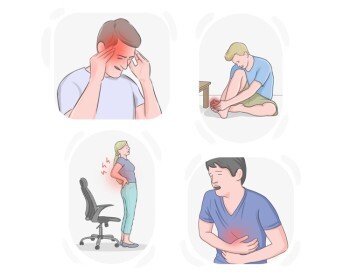
severe physical or mental pain
agonie, suferință
Pacientul a îndurat agonia migrenelor cronice timp de ani.
the rapid spread of an infectious disease within a specific population, community, or region, affecting a significant number of individuals at the same time
epidemie, izbucnire de boală
Epidemia a cauzat o creștere a numărului de internări în spital.
a disease that spreads across a large region or even across the world
pandemie, epidemie globală
În timpul pandemiilor, sistemele de sănătate se confruntă cu o presiune enormă din cauza creșterii numărului de pacienți.
