
Lényeges Szókincs a TOEFL-hez - Fizikai Állapotok és Sérülések
Itt megtanulhat néhány angol szót a fizikai állapotokról és sérülésekről, például "seb", "elhízás", "szédülés" stb., amelyekre szükség van a TOEFL vizsgához.
Áttekintés
Villámkártyák
alakok
Betűzés
Kvíz

a medical condition in which one's body severely reacts to a specific substance if it is inhaled, touched, or ingested

allergia
Mindig nál van egy epinefrin injektor a méhcsípésre való súlyos allergiája miatt.

the feeling of discomfort in the stomach, often with the urge to vomit
hányinger, rosszullét
A kanyargós utakon történő hosszú autóút hányingert okozott neki.
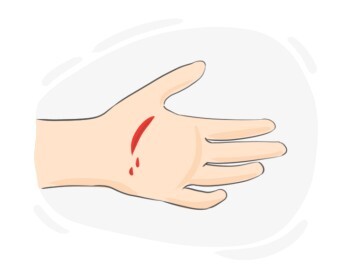
an injury inflicted on the body especially one that seriously damages the skin or the flesh
seb, sérülés
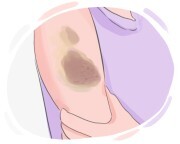
an injury on the skin that appears as a dark mark, caused by a blow involving the rupture of vessels underneath
horzsolás, zúzódás
A sportoló játszott a combján lévő zúzódás fájdalma ellenére, eltökélten, hogy befejezi a játékot a kellemetlenség ellenére.
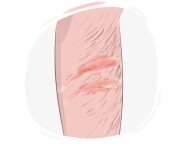
a mark that is left on one's skin after a wound or cut has healed
forradás, heg
A hegek megjelenése változó lehet, lapos és halványtól kidudorodó és vörösig, a sérülés típusától és az egyéni gyógyulási folyamattól függően.
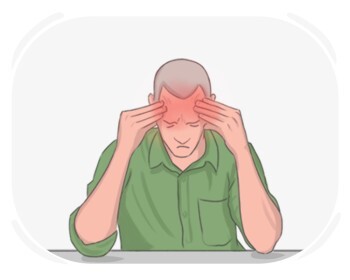
a severe recurring type of headache, particularly affecting one side of the head, and often causing visual disturbances and nausea
migrén, fejfájás
A migrénje órákig tartott, ami megnehezítette bármire való összpontosítást.
the condition of having such a high amount of body fat that it becomes very dangerous for one's health
elhízás, túlsúly
Az elhízás növeli a krónikus betegségek, például a cukorbetegség, a szívbetegség és bizonyos rákfajták kialakulásának kockázatát.

not able to stop taking or using something
függő
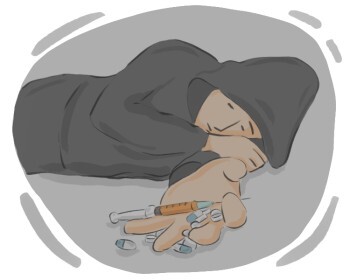
to take an excessive and dangerous amount of a drug or medicine
túladagol, túlzott adagot vesz be
Sok halálesetet okoz évente az opioid túladagolás.
not awake or aware of one's surroundings, especially because of injury or illness
eszméletlen, öntudatlan
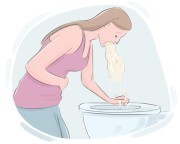
to eject what has been eaten or drunk through the mouth
hány, okádik
A beteg gyakran hány a gyógyszer mellékhatásaként.
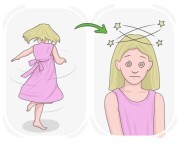
unable to keep one's balance and feeling as though everything is circling around one, caused by an illness or looking down from a high place
szédült, kábult
Az utazási betegség miatt az utazók szédülését és hányingert érezhetnek hosszú autóutak alatt.
to lose consciousness for a short time, especially because of heat, pain, shock, or weakness
elájul
a sudden episode in which the body shakes uncontrollably
roham, görcs
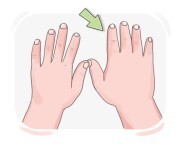
to become larger or rounder than normal, especially because of fluid accumulating inside
megduzzad, bedagad
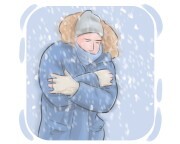
to shake slightly and repeatedly, especially because of cold, fear, excitement, or illness
reszket, borzong
to become sick again after an improvement in one's health
visszaesik, visszaesést szenved
(of a person) to fall and become unconscious
összeesik, elveszti az eszméletét
a state of deep unconsciousness, typically of a long duration and caused by a serious injury or severe illness
kóma, kómás állapot
A baleset után kómába esett és intenzív ellátásra volt szüksége.
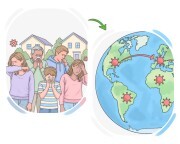
the unexpected start of something terrible, such as a disease
kitörés, járvány
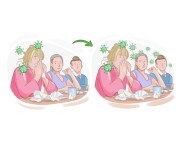
to transmit a disease to a person, animal, or plant
megfertőz, fertőz
A rovarok, például a szúnyogok, harapásokon keresztül különféle betegségekkel fertőzhetik meg az embereket.
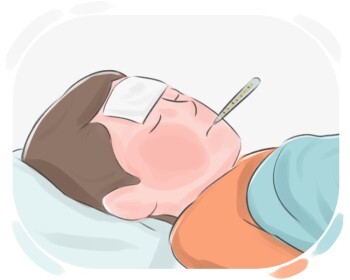
having or caused by a fever
lázas, lázas állapotban lévő
A gyermek nyugtalan és lázas volt egész éjjel egy vírusfertőzés miatt.
an additional medical problem that develops during an illness, treatment, or procedure
szövődmény, komplikáció
to start to have a particular disease or problem
kifejleszt, megbetegszik
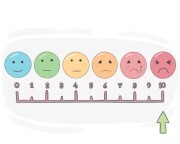
(of an illness or medical condition) developing rapidly and lasting for a relatively short period
akut, heveny
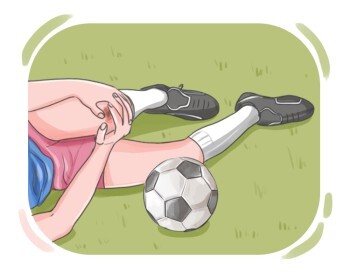
a small, shallow injury to the skin caused by something sharp or rough
karcolás, horzsolás
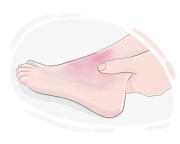
(of a ligament) to be suddenly twisted, which results in much pain
megrándul, ficam
Megrándította a csuklóját, miután elesett a jeges járdán.
a mark or injury that is caused by exposure to fire, acid, heat, etc.
égés, égésnyom
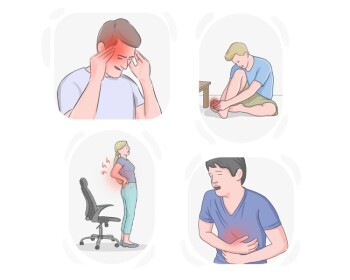
severe physical or mental pain
agonia, szenvedés
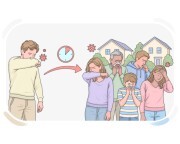
the rapid spread of an infectious disease within a specific population, community, or region, affecting a significant number of individuals at the same time
járvány, betegségkitörés
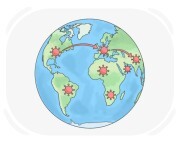
a disease that spreads across a large region or even across the world
világjárvány, globális járvány
