Vocabolario Essenziale per il TOEFL - Condizioni fisiche e lesioni
Qui imparerai alcune parole inglesi sulle condizioni fisiche e le lesioni, come "ferita", "obesità", "vertigini", ecc., necessarie per l'esame TOEFL.
Revisione
Flashcard
forme
Ortografia
Quiz

a medical condition in which one's body severely reacts to a specific substance if it is inhaled, touched, or ingested

allergia
Dopo essere entrata in contatto con il gatto, ha avuto una reazione allergica a causa della sua allergia agli animali domestici.

the feeling of discomfort in the stomach, often with the urge to vomit
nausea
La nausea è un effetto collaterale comune del trattamento chemioterapico.
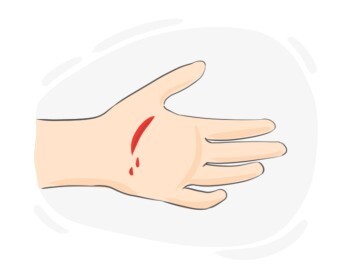
an injury inflicted on the body especially one that seriously damages the skin or the flesh
ferita
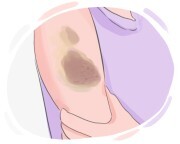
an injury on the skin that appears as a dark mark, caused by a blow involving the rupture of vessels underneath
livido, contusione
Era imbarazzato a mostrare ai suoi amici il livido sul fianco, un promemoria della sua goffaggine durante una recente partita di calcio.
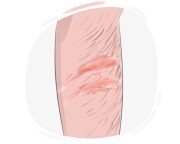
a mark that is left on one's skin after a wound or cut has healed
cicatrice
Le cicatrici possono anche avere un significato emotivo, servendo come promemoria di esperienze passate o traumi.
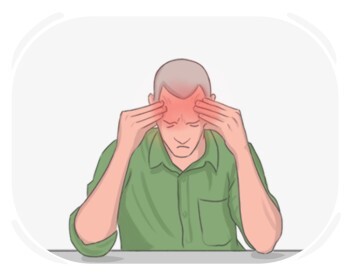
a severe recurring type of headache, particularly affecting one side of the head, and often causing visual disturbances and nausea
emicrania
Sta cercando di evitare i fattori scatenanti che potrebbero causare un'emicrania, come alcuni alimenti.
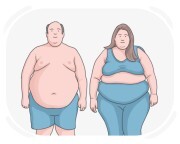
the condition of having such a high amount of body fat that it becomes very dangerous for one's health
obesità
I tassi di obesità sono aumentati costantemente in tutto il mondo, diventando una preoccupazione importante per la salute pubblica in molti paesi.

not able to stop taking or using something
dipendente
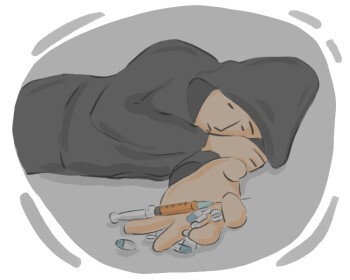
to take an excessive and dangerous amount of a drug or medicine
fare la overdose
I medici mettono in guardia sui rischi di overdose di qualsiasi farmaco.
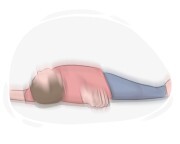
not awake or aware of one's surroundings, especially because of injury or illness
senza conoscenza
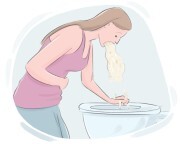
to eject what has been eaten or drunk through the mouth
vomitare
In questo momento, si sente nauseata e potrebbe presto vomitare.
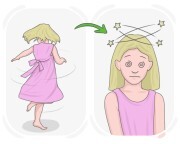
unable to keep one's balance and feeling as though everything is circling around one, caused by an illness or looking down from a high place
stordito
Alcuni farmaci possono causare effetti collaterali come vertigini e sonnolenza in alcuni pazienti.
to lose consciousness for a short time, especially because of heat, pain, shock, or weakness
svenire
a sudden episode in which the body shakes uncontrollably
attacco, convulsione
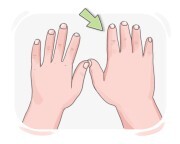
to become larger or rounder than normal, especially because of fluid accumulating inside
gonfiare
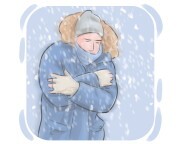
to shake slightly and repeatedly, especially because of cold, fear, excitement, or illness
rabbrividire
(of a person) to fall and become unconscious
svenire, collassare
a state of deep unconsciousness, typically of a long duration and caused by a serious injury or severe illness
coma
La squadra medica ha lavorato duramente per determinare la causa del suo coma.
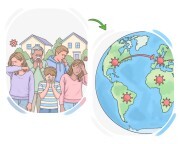
the unexpected start of something terrible, such as a disease
eruzione
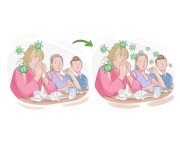
to transmit a disease to a person, animal, or plant
infettare
Se non vengono prese le dovute precauzioni, è probabile che il virus infetti più individui.
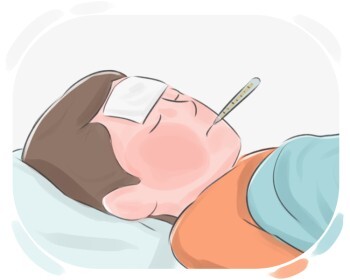
having or caused by a fever
febbricitante
Il suo stato febbrile ha spinto i suoi genitori a cercare assistenza medica al centro di pronto soccorso.
an additional medical problem that develops during an illness, treatment, or procedure
complicazione
to start to have a particular disease or problem
sviluppare, contraire
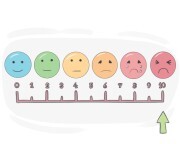
very harsh or intense
intenso, rigido
(of an illness or medical condition) developing rapidly and lasting for a relatively short period
acuto
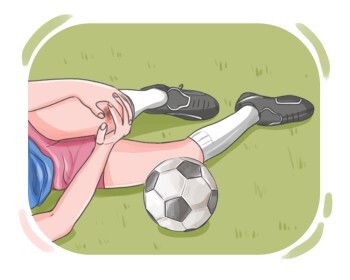
a small, shallow injury to the skin caused by something sharp or rough
graffio
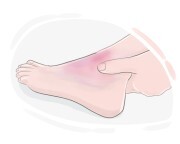
(of a ligament) to be suddenly twisted, which results in much pain
storcere
Si storce facilmente la gamba a causa delle sue articolazioni deboli.
a mark or injury that is caused by exposure to fire, acid, heat, etc.
ustione, marchio di ustione
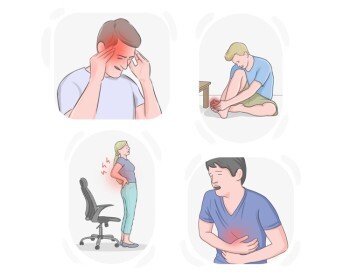
severe physical or mental pain
dolore estremo
I pazienti con gravi ustioni spesso sperimentano un'agonia straziante durante il trattamento.