pattern

Vocabulário Essencial para o TOEFL - Condições Físicas e Lesões

Aqui você aprenderá algumas palavras em inglês sobre condições físicas e lesões, como "ferida", "obesidade", "tontura", etc., que são necessárias para o exame TOEFL.

Revisar

Flashcards

formas

Ortografia

Quiz

Começar a aprender
Essential Words Needed for TOEFL
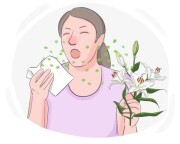
allergy
allergy
[substantivo]

a medical condition in which one's body severely reacts to a specific substance if it is inhaled, touched, or ingested

alergia

alergia

Ex: After coming into contact with the cat, she experienced an allergic reaction due to her pet allergy. 

Depois de entrar em contato com o gato, ela teve uma reação alérgica devido à sua alergia a animais de estimação.

Fechar
Entrar
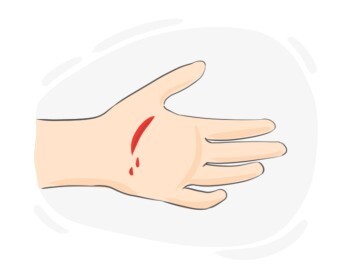
nausea
nausea
[substantivo]

the feeling of discomfort in the stomach, often with the urge to vomit

náusea, enjoo

náusea, enjoo

Ex: Nausea is a common side effect of chemotherapy treatment. 

A náusea é um efeito colateral comum do tratamento de quimioterapia.
Fechar
Entrar
wound
wound
[substantivo]

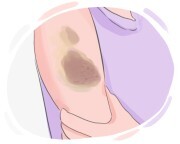
an injury inflicted on the body especially one that seriously damages the skin or the flesh

ferida, lesão
ferida, lesão

Ex: Even after years, the old wound still ached in cold weather. 

Mesmo depois de anos, a velha ferida ainda doía no tempo frio.

Fechar
Entrar
bruise
bruise
[substantivo]

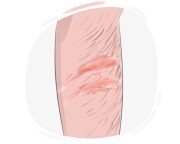
an injury on the skin that appears as a dark mark, caused by a blow involving the rupture of vessels underneath

hematoma, contusão

hematoma, contusão

Ex: He was embarrassed to show his friends the bruise on his side, a reminder of his clumsiness during a recent soccer match. 

Ele estava envergonhado de mostrar aos amigos o hematoma em seu lado, um lembrete de sua falta de jeito durante uma partida de futebol recente.
Fechar
Entrar
scar
scar
[substantivo]

a mark that is left on one's skin after a wound or cut has healed

cicatriz, marca

cicatriz, marca

Ex: Scars may also carry emotional significance, serving as reminders of past experiences or trauma. 

As cicatrizes também podem carregar significado emocional, servindo como lembranças de experiências passadas ou traumas.

Fechar
Entrar
migraine
migraine
[substantivo]

a severe recurring type of headache, particularly affecting one side of the head, and often causing visual disturbances and nausea

enxaqueca, dor de cabeça

enxaqueca, dor de cabeça

Ex: She’s trying to avoid triggers that could cause a migraine, like certain foods. 

Ela está tentando evitar gatilhos que possam causar enxaqueca, como certos alimentos.
Fechar
Entrar
obesity
obesity
[substantivo]

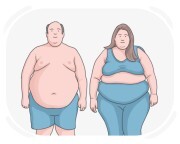
the condition of having such a high amount of body fat that it becomes very dangerous for one's health

obesidade, sobrepeso

obesidade, sobrepeso

Ex: Obesity increases the risk of developing chronic diseases such as diabetes, heart disease, and certain types of cancer. 

A obesidade aumenta o risco de desenvolver doenças crônicas como diabetes, doenças cardíacas e certos tipos de câncer.
Fechar
Entrar
dependent
dependent
[adjetivo]

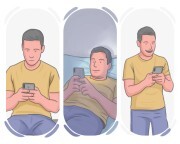
not able to stop taking or using something

dependente
dependente

Ex: Some people become dependent on their phones for constant stimulation. 

Algumas pessoas se tornam dependentes de seus telefones para estimulação constante.

Fechar
Entrar
to overdose

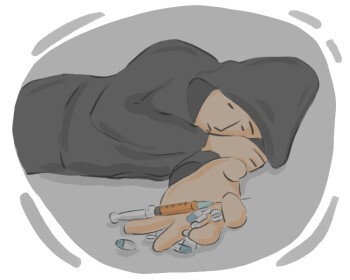
to take an excessive and dangerous amount of a drug or medicine

sobredosar, tomar uma overdose

sobredosar, tomar uma overdose

Ex: Doctors warn about the risks of overdosing on any medication. 

Os médicos alertam sobre os riscos de overdose de qualquer medicamento.
Fechar
Entrar
unconscious
unconscious
[adjetivo]

(of a person) unresponsive and unaware of the surroundings, usually due to an illness or injury

inconsciente, desacordado

inconsciente, desacordado

Ex: The accident left him unconscious and unable to react. 

O acidente deixou-o inconsciente e incapaz de reagir.

Fechar
Entrar
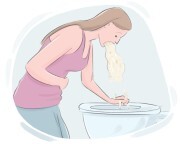
to vomit
to vomit
[verbo]

to eject what has been eaten or drunk through the mouth

vomitar, devolver

vomitar, devolver

Ex: Right now, she is feeling nauseous and might be vomiting soon. 

Agora, ela está se sentindo enjoada e pode vomitar em breve.
Fechar
Entrar
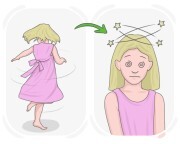
dizzy
dizzy
[adjetivo]

unable to keep one's balance and feeling as though everything is circling around one, caused by an illness or looking down from a high place

tonto, vertiginoso

tonto, vertiginoso

Ex: Certain medications may cause side effects like dizziness and drowsiness in some patients. 

Certos medicamentos podem causar efeitos colaterais como tontura e sonolência em alguns pacientes.

Fechar
Entrar
to faint
to faint
[verbo]

to suddenly lose consciousness from a lack of oxygen in the brain, which is caused by a shock, etc.

desmaiar, perder os sentidos

desmaiar, perder os sentidos

Ex: Last night, he unexpectedly fainted during the scary movie. 

Ontem à noite, ele desmaiou inesperadamente durante o filme de terror.

Fechar
Entrar
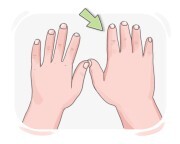
fit
fit
[substantivo]

a sudden episode in which the body shakes uncontrollably

ataque, convulsão
ataque, convulsão

Ex: A fit can occur without warning. 

Um ataque pode ocorrer sem aviso.

Fechar
Entrar
to swell
to swell
[verbo]

to become rounder or larger, particularly due to an increase in the amount of fluid

inchar, inchar-se

inchar, inchar-se

Ex: After the long flight, his ankles swelled due to poor circulation. 

Após o longo voo, seus tornozelos incharam devido à má circulação.

Fechar
Entrar
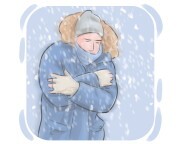
to shiver
to shiver
[verbo]

to shake slightly and repeatedly because of cold

tremor, estremecer

tremor, estremecer

Ex: They shivered under the thin blankets all night. 

Eles tremiam sob os cobertores finos a noite toda.

Fechar
Entrar
to relapse
to relapse
[verbo]

to become sick again after an improvement in one's health

recair, ter uma recaída

recair, ter uma recaída

Fechar
Entrar
to collapse

(of a person) to fall and become unconscious

desmaiar, colapsar

desmaiar, colapsar

Ex: The flu weakened her to the point that she had to be hospitalized after collapsing at home. 

A gripe a enfraqueceu ao ponto de ela ter que ser hospitalizada após desmaiar em casa.

Fechar
Entrar
coma
coma
[substantivo]

a state of deep unconsciousness, typically of a long duration and caused by a serious injury or severe illness

coma, estado de coma

coma, estado de coma

Ex: The medical team worked hard to determine the cause of his coma. 

A equipe médica trabalhou duro para determinar a causa do seu coma.
Fechar
Entrar
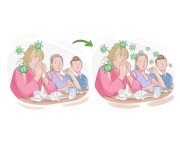
outbreak
outbreak
[substantivo]

the unexpected start of something terrible, such as a disease

surto, epidemia
surto, epidemia

Ex: The outbreak of wildfires prompted emergency evacuations across the region. 

O surto de incêndios florestais provocou evacuações de emergência em toda a região.

Fechar
Entrar
to infect
to infect
[verbo]

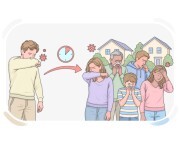
to transmit a disease to a person, animal, or plant

infectar, contagiar

infectar, contagiar

Ex: If proper precautions are not taken, the virus will likely infect more individuals. 

Se as precauções adequadas não forem tomadas, o vírus provavelmente infectará mais indivíduos.
Fechar
Entrar
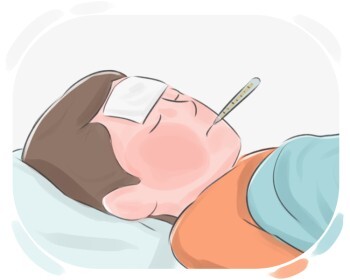
feverish
feverish
[adjetivo]

having or caused by a fever

febril, com febre

febril, com febre

Ex: His feverish state prompted his parents to seek medical attention at the urgent care center. 

Seu estado febril levou seus pais a procurar atendimento médico no centro de urgências.

Fechar
Entrar
dehydration
dehydration
[substantivo]

a harmful state in which the body has lost a lot of water

desidratação

desidratação

Fechar
Entrar
complication
complication
[substantivo]

a secondary health condition that makes the treatment of the existing condition harder

complicação, complicação médica

complicação, complicação médica

Fechar
Entrar
to develop
to develop
[verbo]

to start to have a particular disease or problem

desenvolver, contrair
desenvolver, contrair

Ex: As she aged, she developed arthritis, experiencing pain and stiffness in her joints. 

À medida que envelhecia, ela desenvolveu artrite, sentindo dor e rigidez nas articulações.

Fechar
Entrar
severe
severe
[adjetivo]

very harsh or intense

grave, severa

grave, severa

Ex: The country is facing severe economic problems. 

O país está enfrentando problemas econômicos graves.

Fechar
Entrar
acute
acute
[adjetivo]

(of an illness) suddenly becoming severe but for a short time

agudo, grave

agudo, grave

Ex: Emily was diagnosed with acute bronchitis after experiencing sudden onset of coughing, chest pain, and difficulty breathing. 

Emily foi diagnosticada com bronquite aguda após apresentar início súbito de tosse, dor no peito e dificuldade para respirar.

Fechar
Entrar
scratch
scratch
[substantivo]

a small cut on the skin caused by something sharp, like a fingernail, thorn, or rough surface

arranhão, riscado

arranhão, riscado

Fechar
Entrar
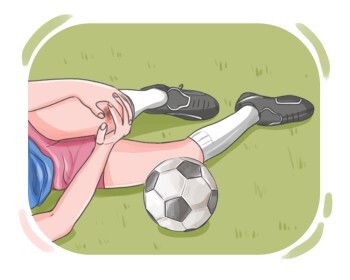
to sprain
to sprain
[verbo]

(of a ligament) to be suddenly twisted, which results in much pain

torcer, distender

torcer, distender

Ex: He sprains his leg easily because of his weak joints. 

Ele torce facilmente a perna por causa das articulações fracas.

Fechar
Entrar
burn
burn
[substantivo]

a mark or injury that is caused by exposure to fire, acid, heat, etc.

queimadura, marca de queimadura
queimadura, marca de queimadura

Fechar
Entrar
agony
agony
[substantivo]

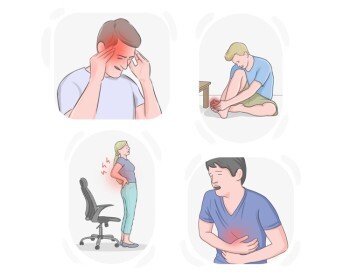
severe physical or mental pain

agonia, sofrimento

agonia, sofrimento

Ex: Patients with severe burns often experience excruciating agony during treatment. 

Pacientes com queimaduras graves frequentemente experimentam agonia excruciante durante o tratamento.
Fechar
Entrar
epidemic
epidemic
[substantivo]

the rapid spread of an infectious disease within a specific population, community, or region, affecting a significant number of individuals at the same time

epidemia, surtto epidêmico

epidemia, surtto epidêmico

Ex: The epidemic put a strain on the healthcare system. 

A epidemia colocou uma pressão no sistema de saúde.

Fechar
Entrar
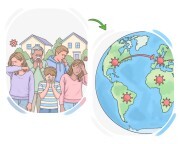
pandemic
pandemic
[substantivo]

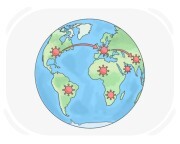
a disease that spreads across a large region or even across the world

pandemia, epidemia global

pandemia, epidemia global

Ex: Pandemics can spread illness globally due to increased international travel and trade networks. 

As pandemias podem espalhar doenças globalmente devido ao aumento das viagens internacionais e das redes comerciais.

Fechar
Entrar
LanGeek
Baixar o aplicativo LanGeek