
Podstawowe Słownictwo do TOEFL - Warunki Fizyczne i Urazy
Tutaj nauczysz się niektórych angielskich słów dotyczących stanów fizycznych i urazów, takich jak "rana", "otyłość", "zawroty głowy" itp., które są potrzebne do egzaminu TOEFL.
Przegląd
Fiszki
formy
Pisownia
Test
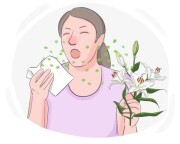
a medical condition in which one's body severely reacts to a specific substance if it is inhaled, touched, or ingested

alergia
Alergia dziecka na pyłki powoduje, że każdej wiosny ma ono silne objawy kataru siennego.

the feeling of discomfort in the stomach, often with the urge to vomit
nudności, mdłości
Lekarz spowodował u niego intensywne nudności krótko po zażyciu.
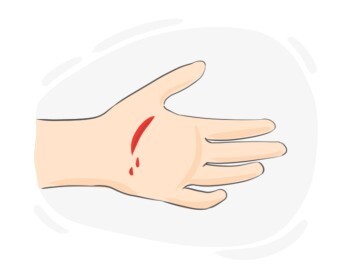
an injury inflicted on the body especially one that seriously damages the skin or the flesh
rana, uraz
Lekarz zaszył ranę, aby pomóc jej szybciej się zagoić.
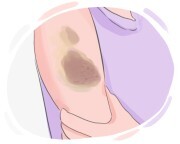
an injury on the skin that appears as a dark mark, caused by a blow involving the rupture of vessels underneath
siniak, stłuczenie
Lekarz zbadał siniak na ramieniu dziecka i uspokoił rodziców, mówiąc, że to powszechne obrażenie, które zagoi się samo.
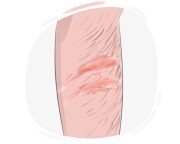
a mark that is left on one's skin after a wound or cut has healed
blizna, szrama
Chociaż blizny nie można całkowicie usunąć, zabiegi takie jak terapia laserowa, zastrzyki ze sterydów lub korekcja chirurgiczna mogą pomóc w poprawie ich wyglądu.
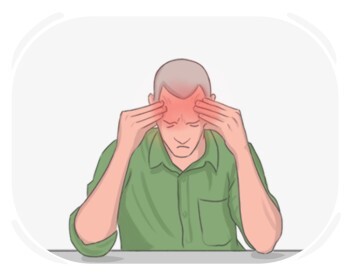
a severe recurring type of headache, particularly affecting one side of the head, and often causing visual disturbances and nausea
migrena, ból głowy
Ostatnio często ma migreny, zwłaszcza po długich godzinach spędzonych przy komputerze.
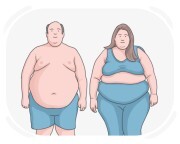
the condition of having such a high amount of body fat that it becomes very dangerous for one's health
otyłość, nadwaga
Otyłość zwiększa ryzyko rozwoju chorób przewlekłych, takich jak cukrzyca, choroby serca i niektóre rodzaje raka.
not able to stop taking or using something
zależny
Pacjent jest zależny od leków, aby kontrolować swój stan.
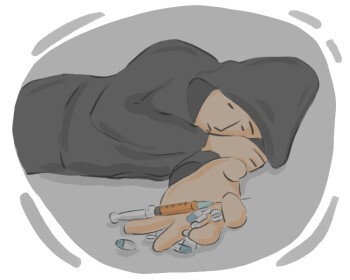
to take an excessive and dangerous amount of a drug or medicine
przedawkować, zażyć przedawkować
Ratownicy medyczni leczyli pacjenta, który miał przedawkował.
(of a person) unresponsive and unaware of the surroundings, usually due to an illness or injury
nieprzytomny, nieświadomy
Był nieprzytomny po uderzeniu głową w upadku.
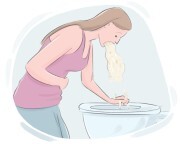
to eject what has been eaten or drunk through the mouth
wymiotować, zwracać
Po przejażdżce roller coasterem niektórzy ludzie wymiotowali z powodu choroby lokomocyjnej.
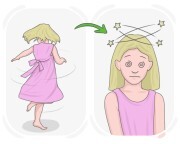
unable to keep one's balance and feeling as though everything is circling around one, caused by an illness or looking down from a high place
oszołomiony, zawrotny
Zawroty głowy mogą sprawić, że osoby poczują się zawroty głowy, jakby pokój wirował wokół nich.
to suddenly lose consciousness from a lack of oxygen in the brain, which is caused by a shock, etc.
zemdleć, stracić przytomność
Często mdleje na widok igieł, co sprawia, że wizyty lekarskie są trudne.
a sudden episode in which the body shakes uncontrollably
atak, drgawki
Dziecko miało atak podczas choroby.
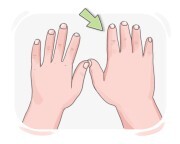
to become rounder or larger, particularly due to an increase in the amount of fluid
puchnąć, opuchnąć
Zraniony obszar obecnie puchnie z powodu reakcji zapalnej.
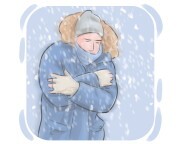
to shake slightly and repeatedly because of cold
drżeć, trząść się
Dziecko drżało na śniegu, czekając na autobus.
to become sick again after an improvement in one's health
nawrócić, doznać nawrotu
(of a person) to fall and become unconscious
zemdleć, upaść
Ciężkie odwodnienie może prowadzić do zawrotów głowy i spowodować, że ludzie upadają.
a state of deep unconsciousness, typically of a long duration and caused by a serious injury or severe illness
śpiączka, stan śpiączki
Wyszedł ze śpiączki, ale zmagał się z utratą pamięci.
the unexpected start of something terrible, such as a disease
wybuch, epidemia
Naukowiec badał wybuch, aby zrozumieć jego przyczynę i rozprzestrzenianie się.
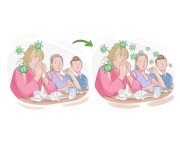
to transmit a disease to a person, animal, or plant
zarażać, infekować
W zeszłym miesiącu wybuch szybko zaraził znaczną liczbę ludzi.
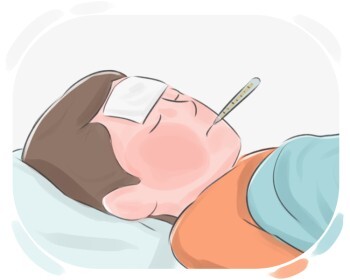
having or caused by a fever
gorączkowy, rozpalony
Lekarz zalecił odpoczynek i płyny, aby zarządzać jego gorączkowym stanem.
a secondary health condition that makes the treatment of the existing condition harder
powikłanie, powikłanie medyczne
to start to have a particular disease or problem
rozwijać, zachorować na
Pomimo prowadzenia zdrowego stylu życia, rozwinęło się u niego wysokie ciśnienie krwi pod koniec pięćdziesiątego roku życia.
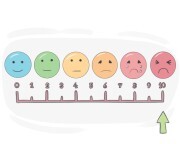
very harsh or intense
poważny, surowy
Budynek doznał poważnych uszkodzeń w wyniku trzęsienia ziemi.
(of an illness) suddenly becoming severe but for a short time
ostry, ciężki
Ostra reakcja alergiczna Sary na orzeszki ziemne spowodowała szybki obrzęk gardła, wymagający natychmiastowej pomocy medycznej.
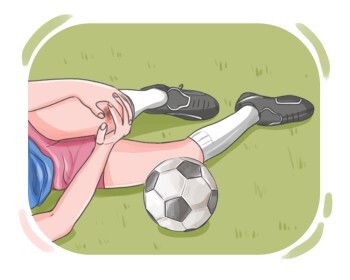
a small cut on the skin caused by something sharp, like a fingernail, thorn, or rough surface
zadrapanie, zarysowanie
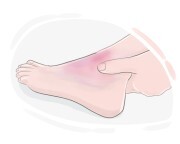
(of a ligament) to be suddenly twisted, which results in much pain
skręcić, zwichnąć
Często zwichuje nogę podczas długich spacerów.
a mark or injury that is caused by exposure to fire, acid, heat, etc.
oparzenie, ślad oparzenia
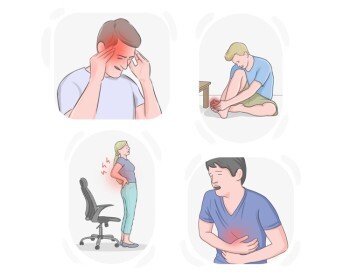
severe physical or mental pain
agonia, cierpienie
Osoby z kamieniami nerkowymi często opisują epizody jako chwile intensywnego cierpienia.
the rapid spread of an infectious disease within a specific population, community, or region, affecting a significant number of individuals at the same time
epidemia, wybuch choroby
Rząd rozpoczął kampanię szczepień podczas epidemii.
a disease that spreads across a large region or even across the world
pandemia, globalna epidemia
Pandemia COVID-19 dotknęła prawie każdą osobę na planecie.
