
Il libro English File - Intermedio Superiore - Lezione 9B
Qui troverai il vocabolario della Lezione 9B del libro di corso English File Upper Intermediate, come "distant", "govern", "ignorance", ecc.
Ripasso
Flashcard
Ortografia
Quiz

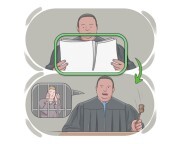
evidence that establishes or strongly demonstrates that something is true or exists

prova

having the necessary skill, power, resources, etc. for doing something
capace
È un meccanico affidabile ed è in grado di risolvere qualsiasi problema dell'auto.
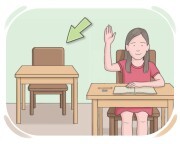
not present in a place where someone is expected to be
absente

the state of not being at a place or with a person when it is expected of one
assenza
L'assenza di qualsiasi reclamo nel sondaggio di feedback suggeriva che i clienti fossero generalmente soddisfatti del servizio.
to provide someone with a place to live or stay
ospitare
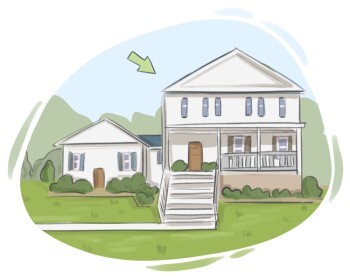
a place where people live, stay, or work in
alloggio
Hanno trovato un accogliente chalet come loro alloggio per il weekend in montagna.
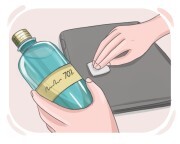
any drink that can make people intoxicated, such as wine, beer, etc.
alcol
Lui preferisce il vino rispetto ad altri tipi di alcol.
a medical condition caused by drinking an excessive amounts of alcohol on a regular basis
alcolismo
Alcolismo può influenzare la carriera, le relazioni e il benessere generale di una persona.
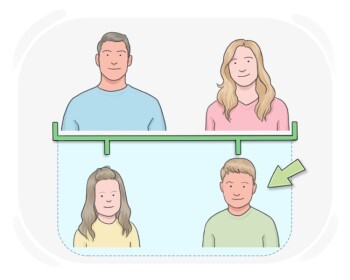
a man who shares a mother and father with us
fratello
Lei non ha nessun fratello, ma ha un amico stretto che è come un fratello per lei.
the feeling of understanding and friendship between people
fratellanza
La fratellanza non riguarda solo la famiglia; si tratta di costruire legami forti e compassionevoli con altri che condividono i tuoi valori e obiettivi.

a young person who has not reached puberty or adulthood yet
bambino
La scuola ha organizzato una gita allo zoo, e i bambini erano entusiasti di vedere gli animali da vicino.
the period of a person's life when they are a child
infanzia
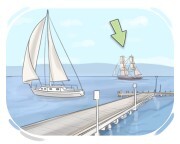
having a great space or extent between two points
lontano
La sua città natale lontana era molto oltre l'orizzonte.
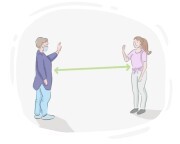
the length of the space that is between two places or points
distanza
Il telescopio ha permesso agli astronomi di misurare con precisione la distanza delle galassie lontane.

to give work to someone and pay them
impiegare
Stiamo pianificando di assumere un giardiniere per mantenere il nostro grande giardino.
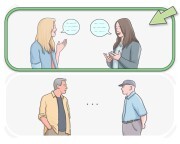
(of a person or their manner) kind and nice toward other people
amichevole
Il suo sorriso amichevole ha reso la conversazione difficile meno imbarazzante.
the state of being kind and pleasant toward others
amicizia
Era conosciuta per la sua cordialità e si poteva sempre contare su di lei per illuminare la stanza con un sorriso.
to control or determine how an activity, process, or situation operates or develops
governare

the group of politicians in control of a country or state
governo
In un sistema democratico, il governo è scelto dal popolo attraverso elezioni libere ed eque.
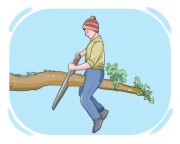
lacking sophistication, worldly experience, or social refinement
ignorante
Il diplomatico era frustrato dalle domande ignoranti del pubblico.
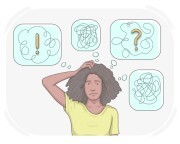
the fact or state of not having the necessary information, knowledge, or understanding of something
ignoranza
L'ignoranza di alcune persone riguardo al cambiamento climatico evidenzia la necessità di una maggiore consapevolezza e educazione sulle questioni ambientali.

to make someone or something better in quality, condition, or performance
migliorare
Ha frequentato workshop per migliorare le sue competenze linguistiche per l'avanzamento di carriera.
the act or process of making something better in quality, condition, or performance
miglioramento
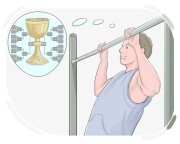
to have something in mind as a plan or purpose
intendere, avere intenzione di
Intendo iniziare a fare esercizio fisico regolarmente per migliorare la mia salute.
something that one is aiming, wanting, or planning to do
intenzione
L'imputato ha affermato di non avere alcuna intenzione di violare la legge, ma le prove suggerivano il contrario.
the state of not having any companions or company
solitudine
La solitudine dell'isola deserta era opprimente, senza alcun segno di vita umana per miglia.
(biology) a taxonomic category below species that has a distinct feature from other groups in the same species
gara
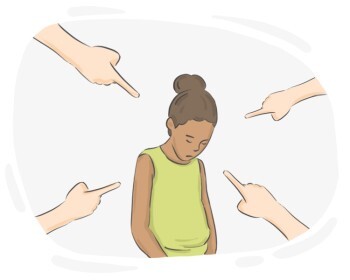
harmful or unfair actions, words, or thoughts directed at people of different races, often based on the idea that one's own race is more intelligent, moral, or worthy
razzismo
L'insegnante è stato accusato di razzismo per aver trattato ingiustamente gli studenti.
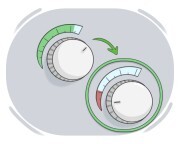
to make something smaller in amount, degree, price, etc.
ridurre
Lo chef ha suggerito di utilizzare ingredienti alternativi per ridurre il contenuto calorico del piatto.

a decline in amount, degree, etc. of a particular thing
riduzione
La riduzione delle emissioni di gas serra è cruciale per combattere il cambiamento climatico.
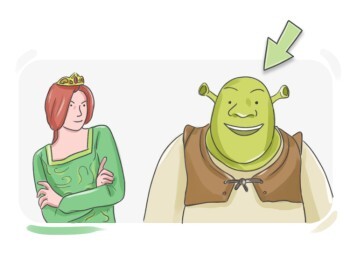
very unattractive or unpleasant in appearance
brutto
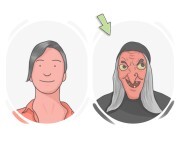
the state of being not attractive or not pleasing to the eye
bruttezza
Nonostante la bruttezza delle nuvole temporalesche sopra di noi, l'arcobaleno apparso in seguito ha illuminato il cielo.
someone who intentionally damages or destroys public or private property
vandalo
Come punizione, il vandalo è stato obbligato a pulire il disordine che aveva fatto e a pagare per le riparazioni.

the illegal act of purposefully damaging a property belonging to another person or organization
vandalismo
I volontari hanno organizzato uno sforzo di pulizia per riparare i danni causati dal vandalismo nel parco locale.
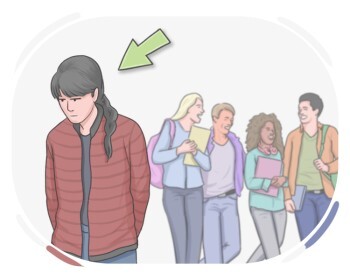
unhappy because of being alone or lacking companionship
solo
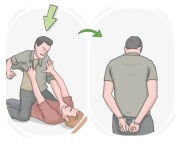
(of a person and their actions) using or involving physical force that is intended to damage or harm
violento
Aveva una storia di comportamento violento, spesso coinvolto in risse a scuola.

a crime that is intentionally directed toward a person or thing to hurt, intimidate, or kill them
violenza
La città ha visto un aumento della violenza negli ultimi mesi, portando a una maggiore presenza della polizia.
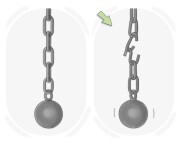
structurally fragile or lacking durability
debole
La diga ha ceduto nel suo punto più debole durante l'alluvione.

a lack of power, influence, or ability to act effectively
debolezza

the act or process of no longer having someone or something
perdita
La perdita di fiducia ha influenzato la sua prestazione.
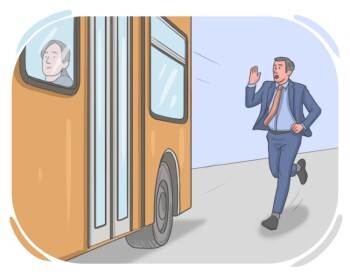
to be deprived of or stop having someone or something
perdere
Se non prendi precauzioni, potresti perdere i tuoi oggetti in un luogo affollato.

to no longer be alive
morire
Il soldato ha sacrificato la sua vita, disposto a morire per la sicurezza dei suoi compagni.

the fact of reaching what one tried for or desired
successo
Il successo arriva con pazienza e sforzo.

to reach or achieve what one desired or tried for
riuscire
È riuscito a vincere il campionato dopo anni di allenamento rigoroso e competizione.
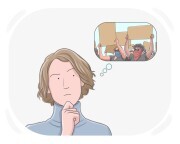
something that comes to one's mind, such as, an idea, image, etc.
pensiero
Ha condiviso i suoi pensieri sul libro in una recensione ponderata.
to have a type of belief or idea about a person or thing
pensare
Cosa ne pensi del nuovo dipendente?
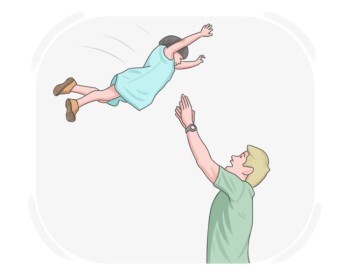
a strong feeling of certainty that something or someone exists or is true; a strong feeling that something or someone is right or good
convinzione
Il successo della squadra è stato alimentato dalla loro credenza collettiva nella loro capacità di superare le sfide.
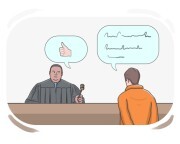
to accept something as true or real, even without conclusive proof
pensare
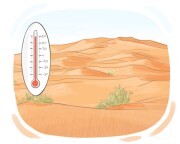
hot weather or a period of unusually high temperatures
caldo

having a temperature that is high but not hot, especially in a way that is pleasant
caldo
Hanno goduto di una calda serata estiva intorno al falò.
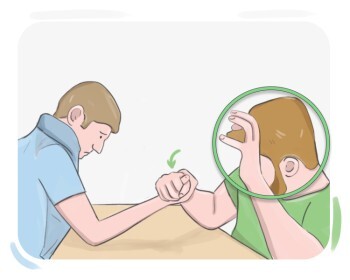
the quality or state of being physically or mentally strong
forza
La forza finanziaria della società le ha permesso di resistere alle recessioni economiche.
having a lot of physical power
forte
Le gambe forti dell'atleta lo hanno aiutato a correre più veloce.
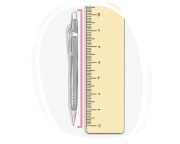
the distance from the top to the bottom of something or someone
altezza
L'altezza dell'albero è di circa 30 metri.
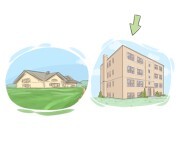
having a relatively great vertical extent
alto
L'aereo volava a una alta quota, sopra le nuvole.
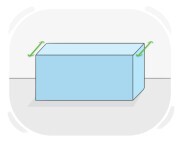
the measurement of something from one side or edge to the other
grandezza
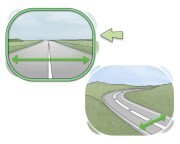
having a large length from side to side
vasto
Le sue spalle erano larghe, dandogli una presenza forte e imponente.

the fact or state of having a regular paid job
occupazione

to amuse or interest someone so that they enjoy themselves
intrattenere

activities, performances, films, shows, or other things provided for people's enjoyment
intrattenimento

to fill someone with eager interest, happiness, or enthusiasm
eccitare
La vista dei fiocchi di neve che cadevano eccitava i residenti, annunciando l'arrivo dell'inverno.

a strong feeling of enthusiasm, eagerness, or emotional stimulation
eccitazione
| Il libro English File - Intermedio Superiore | |||
|---|---|---|---|
| Lezione 1A | Lezione 1B | Lezione 2A | Lezione 2B |
| Lezione 3A | Lezione 3B | Lezione 4A | Lezione 4B |
| Lezione 5A | Lezione 5B | Lezione 6A | Lezione 6B |
| Lezione 7A | Lezione 7B | Lezione 8A | Lezione 8B |
| Lezione 9A | Lezione 9B | Lezione 10A | Lezione 10B |
