pattern

Kniha Interchange - Vyšší středně pokročilý - Lekce 9B

Zde najdete slovní zásobu z Lekce 9B v učebnici English File Upper Intermediate, jako je "distant", "govern", "ignorance" atd.

Revize

Kartičky

tvary

Pravopis

Kvíz

Začněte se učit
English File - Upper Intermediate
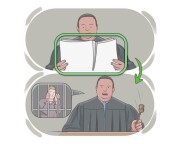
proof
proof
[Podstatné jméno]

information or evidence that proves the truth or existence of something

důkaz, svědectví

důkaz, svědectví

Ex: The DNA results acted as proof that the suspect was at the scene of the crime. 
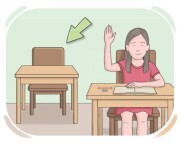
able
able
[Přídavné jméno]

having the necessary skill, power, resources, etc. for doing something

schopný, kompetentní

schopný, kompetentní

Ex: She is able to speak five languages fluently. 
absent
absent
[Přídavné jméno]

(of people) not present in a place

nepřítomný

nepřítomný

Ex: Jane was absent from school yesterday due to a fever. 
absence
absence
[Podstatné jméno]

the state of not being at a place or with a person when it is expected of one

nepřítomnost

nepřítomnost

Ex: His absence from the meeting caused delays in making important decisions for the project. 
to accommodate

to provide a place for someone to stay and sleep, usually in a house, hotel, or other lodging facility

ubytovat, přijmout

ubytovat, přijmout

Ex: The innkeeper arranged rooms to accommodate the visiting family. 
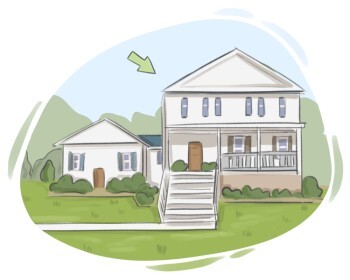
accommodation
accommodation
[Podstatné jméno]

a place where people live, stay, or work in

ubytování, ubytovací zařízení

ubytování, ubytovací zařízení

Ex: She booked her accommodation in advance to ensure she had a comfortable place to stay during her vacation. 
alcohol
alcohol
[Podstatné jméno]

any drink that can make people intoxicated, such as wine, beer, etc.

alkohol

alkohol

Ex: The legal drinking age for purchasing alcohol in many countries is 21. 
alcoholism
alcoholism
[Podstatné jméno]

a medical condition caused by drinking an excessive amounts of alcohol on a regular basis

alkoholismus, závislost na alkoholu

alkoholismus, závislost na alkoholu

Ex: Alcoholism can impact a person's career, relationships, and overall well-being. 
brother
brother
[Podstatné jméno]

a man who shares a mother and father with us

bratr, bratříček

bratr, bratříček

Ex: Emily's brother likes to play video games and watch sports on TV. 
brotherhood
brotherhood
[Podstatné jméno]

the feeling of understanding and friendship between people

bratrství, kamarádství

bratrství, kamarádství

Ex: The brotherhood among the soldiers was evident as they supported each other through difficult times during the mission. 
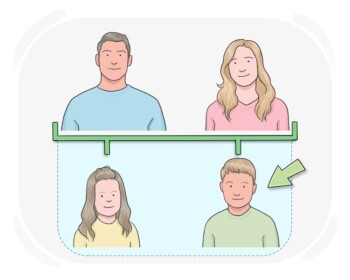
child
child
[Podstatné jméno]

a young person who has not reached puberty or adulthood yet

dítě, dítě

dítě, dítě

Ex: As parents, we should prioritize the well-being and safety of our children at all times. 
childhood
childhood
[Podstatné jméno]

the period or time of being a child, characterized by significant physical and emotional growth

dětství, dětská léta

dětství, dětská léta

Ex: Sarah cherished the memories of her childhood spent playing in the backyard with her siblings. 
distant
distant
[Přídavné jméno]

having a great space or extent between two points

vzdálený,  daleký

vzdálený, daleký

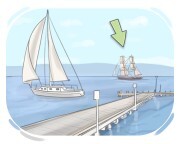
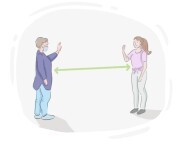
Ex: Their house is located in a distant village in the mountains. 
distance
distance
[Podstatné jméno]

the length of the space that is between two places or points

vzdálenost

vzdálenost

Ex: The distance between New York City and Los Angeles is over 2,700 miles. 
to employ
to employ
[sloveso]

to give work to someone and pay them

zaměstnat, najmout

zaměstnat, najmout

Ex: Are you planning to employ any interns this summer? 
friendly
friendly
[Přídavné jméno]

(of a person or their manner) kind and nice toward other people

přátelský, milý

přátelský, milý

Ex: Despite his fame, he is a friendly and approachable person. 
friendliness
friendliness
[Podstatné jméno]

the state of being kind and pleasant toward others

přátelskost,  vlídnost

přátelskost, vlídnost

Ex: Her friendliness made everyone feel welcome at the party, and people immediately started chatting with one another. 
to govern
to govern
[sloveso]

to regulate or control a person, course of action or event or the way something happens

regulovat, kontrolovat

regulovat, kontrolovat

Ex: The new laws will govern how companies can handle customer data to ensure privacy and security. 
government
government
[Podstatné jméno]

the group of politicians in control of a country or state

vláda, správa

vláda, správa

Ex: The government implemented new policies to improve the country's healthcare system and make it more accessible to all citizens. 
ignorant
ignorant
[Přídavné jméno]

lacking sophistication, worldly experience, or social refinement

neznalý, naivní

neznalý, naivní

Ex: The ignorant traveler offended the locals by ignoring customs. 
ignorance
ignorance
[Podstatné jméno]

the fact or state of not having the necessary information, knowledge, or understanding of something

nevědomost

nevědomost

Ex: His ignorance of the subject was evident when he gave incorrect answers during the discussion. 
to improve
to improve
[sloveso]

to make a person or thing better

zlepšit, zdokonalit

zlepšit, zdokonalit

Ex: Regular exercise can improve your overall health. 
improvement
improvement
[Podstatné jméno]

the action or process of making something better

zlepšení, pokrok

zlepšení, pokrok

Ex: The city has seen significant improvement in air quality over the past year. 
to intend
to intend
[sloveso]

to have something in mind as a plan or purpose

mít v úmyslu, plánovat

mít v úmyslu, plánovat

Ex: She intends to travel abroad next summer. 
intention
intention
[Podstatné jméno]

something that one is aiming, wanting, or planning to do

záměr, úmysl

záměr, úmysl

Ex: She made it clear that her intention was to finish the project ahead of the deadline. 
loneliness
loneliness
[Podstatné jméno]

the state of not having any companions or company

osamělost

osamělost

Ex: The loneliness of the remote village was evident, with no neighbors for miles around. 
race
race
[Podstatné jméno]

(biology) a taxonomic category below species that has a distinct feature from other groups in the same species

plemeno, poddruh
plemeno, poddruh

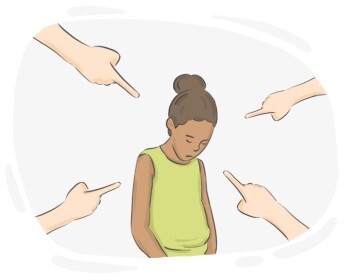
racism
racism
[Podstatné jméno]

harmful or unfair actions, words, or thoughts directed at people of different races, often based on the idea that one’s own race is more intelligent, moral, or worthy

rasismus, rasová diskriminace

rasismus, rasová diskriminace

Ex: She experienced racism at her new job. 
to reduce
to reduce
[sloveso]

to make something smaller in amount, degree, price, etc.

snížit, zmenšit

snížit, zmenšit

Ex: The company decided to reduce the prices of its products to attract more customers. 
reduction
reduction
[Podstatné jméno]

a decline in amount, degree, etc. of a particular thing

snížení, pokles
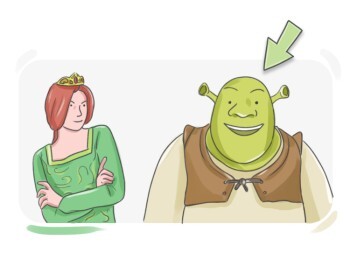
snížení, pokles

Ex: The company implemented cost-cutting measures that led to a reduction in expenses. 
ugly
ugly
[Přídavné jméno]

not pleasant to the mind or senses

ošklivý, nepříjemný

ošklivý, nepříjemný

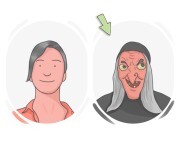
Ex: Don't be so mean, calling someone ugly is not nice. 
ugliness
ugliness
[Podstatné jméno]

the state of being not attractive or not pleasing to the eye

ošklivost, šerednost

ošklivost, šerednost

Ex: The ugliness of the cracked pavement and abandoned cars gave the neighborhood a rundown appearance. 
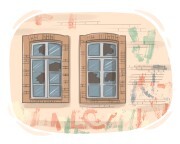
vandal
vandal
[Podstatné jméno]

someone who intentionally damages or destroys public or private property

vandal, ničitel

vandal, ničitel

Ex: The police were searching for the vandal who spray-painted graffiti on the walls of the historic building. 
vandalism
vandalism
[Podstatné jméno]

the illegal act of purposefully damaging a property belonging to another person or organization

vandalismus

vandalismus

Ex: After the vandalism of the public library, the community came together to clean and restore the damaged areas. 
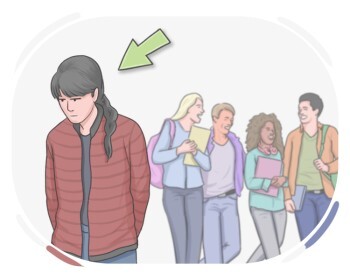
lonely
lonely
[Přídavné jméno]

feeling unhappy due to being alone or lacking companionship

osamělý, opuštěný
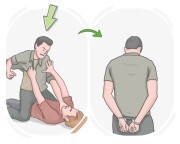
osamělý, opuštěný

Ex: She felt lonely after moving to a new city where she knew no one. 
violent
violent
[Přídavné jméno]

(of a person and their actions) using or involving physical force that is intended to damage or harm

násilný, agresivní

násilný, agresivní

Ex: He was arrested for his violent behavior during the protest, injuring several people. 
violence
violence
[Podstatné jméno]

a crime that is intentionally directed toward a person or thing to hurt, intimidate, or kill them

násilí, brutalita
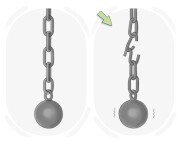
násilí, brutalita

Ex: He was arrested for using violence against a stranger. 
weak
weak
[Přídavné jméno]

structurally fragile or lacking durability

slabý, křehký

slabý, křehký

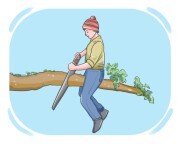
Ex: The bridge collapsed at its weak central support. 
weakness
weakness
[Podstatné jméno]

lack of power or ability to act effectively

slabost, nedostatek

slabost, nedostatek

Ex: The team's weakness was exposed during the final match. 
loss
loss
[Podstatné jméno]

the act or process of no longer having someone or something

ztráta, úbytek
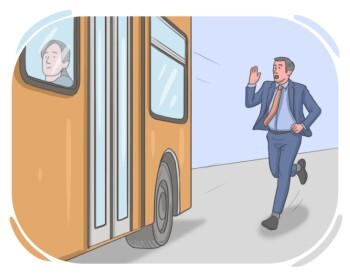
ztráta, úbytek

Ex: The loss of her keys caused her to be late. 
to lose
to lose
[sloveso]

to be deprived of or stop having someone or something

ztratit, přijít o

ztratit, přijít o

Ex: She lost her hearing as a result of the loud explosion. 
death
death
[Podstatné jméno]

the fact or act of dying

smrt, úmrtí

smrt, úmrtí

Ex: Her grandfather's death had a big impact on her. 
to die
to die
[sloveso]

to no longer be alive

zemřít,  umřít

zemřít, umřít

Ex: Unfortunately, her pet fish died after being in poor health for a week. 
success
success
[Podstatné jméno]

the fact of reaching what one tried for or desired

úspěch, úspěšnost

úspěch, úspěšnost

Ex: His hard work and determination finally led to the success he had been striving for. 
to succeed
to succeed
[sloveso]

to reach or achieve what one desired or tried for

uspět, dosáhnout úspěchu

uspět, dosáhnout úspěchu

Ex: Through persistent effort and dedication, she succeeded in securing a promotion at her job. 
thought
thought
[Podstatné jméno]

something that comes to one's mind, such as, an idea, image, etc.

myšlenka, nápad

myšlenka, nápad

Ex: The thought of going on vacation cheered her up. 
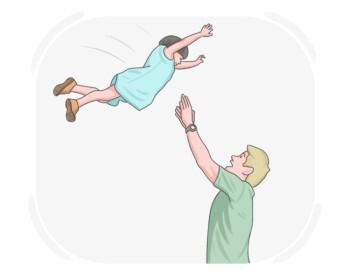
to think
to think
[sloveso]

to have a type of belief or idea about a person or thing

myslet, věřit
myslet, věřit

Ex: He thinks that the restaurant serves the best pizza in town. 
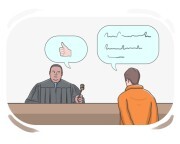
belief
belief
[Podstatné jméno]

a strong feeling of certainty that something or someone exists or is true; a strong feeling that something or someone is right or good

víra, přesvědčení
víra, přesvědčení

Ex: His belief in justice and equality guided his actions throughout his career. 
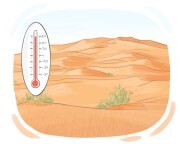
to believe
to believe
[sloveso]

to accept something to be true even without proof

věřit, důvěřovat
věřit, důvěřovat

Ex: I believed her excuses for missing the meeting. 
heat
heat
[Podstatné jméno]

a state of having a higher than normal temperature

vedro, teplo

vedro, teplo

Ex: In spite of the heat, they continued their trek through the desert. 
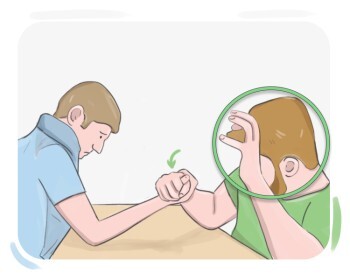
warm
warm
[Přídavné jméno]

having a temperature that is high but not hot, especially in a way that is pleasant

teplý, vlažný
teplý, vlažný

Ex: She dipped her feet in the warm sand on the beach. 
strength
strength
[Podstatné jméno]

the quality or state of being physically or mentally strong

síla, moc

síla, moc

Ex: Her strength of character helped her overcome many challenges in life. 
strong
strong
[Přídavné jméno]

having a lot of physical power

silný, mocný

silný, mocný

Ex: He was able to lift the heavy box because he was so strong. 
height
height
[Podstatné jméno]

the distance from the top to the bottom of something or someone

výška
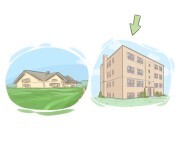
výška

Ex: He checked the height of the doorway to make sure the furniture would fit through. 
high
high
[Přídavné jméno]

having a relatively great vertical extent

vysoký

vysoký

Ex: The high mountain peaks were covered in snow. 
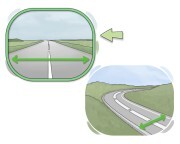
width
width
[Podstatné jméno]

the distance of something from side to side

šířka, šíře

šířka, šíře

Ex: The width of the river is about 50 meters. 
wide
wide
[Přídavné jméno]

having a large length from side to side

široký, rozlehlý

široký, rozlehlý

Ex: The river was wide, spanning several hundred meters across. 
employment
employment
[Podstatné jméno]

the fact or state of having a regular paid job

zaměstnání,  práce

zaměstnání, práce

Ex: After months of searching, she finally found employment at a local marketing firm. 
to entertain
to entertain
[sloveso]

to amuse someone so that they have an enjoyable time

bavit, pobavit

bavit, pobavit

Ex: The clown entertained the children at the birthday party with magic tricks and balloon animals. 
entertainment
entertainment
[Podstatné jméno]

movies, television shows, etc. or an activity that is made for people to enjoy

zábava

zábava

Ex: Music festivals provide entertainment for music lovers. 
to excite
to excite
[sloveso]

to make a person feel interested or happy, particularly about something that will happen soon

vzrušit, nadchnout

vzrušit, nadchnout

Ex: The news of the upcoming concert excited music fans all over the city. 
excitement
excitement
[Podstatné jméno]

a strong feeling of enthusiasm and happiness

vzrušení, nadšení

vzrušení, nadšení

Ex: Sarah's excitement was palpable as she eagerly awaited the arrival of her long-lost friend at the airport. 
LanGeek
Stáhnout aplikaci LanGeek