
Comportamento e Approccio - Risposte Conversazionali
Tuffati nelle espressioni idiomatiche inglesi che sono risposte conversazionali, come "puoi dirlo forte" e "per l'amor del cielo".
Ripasso
Flashcard
Quiz

used to express one's complete agreement with someone's statement

puoi dirlo forte, hai proprio ragione
Puoi dirlo forte. Avevamo davvero bisogno di questo weekend libero.

used to show one's lack of sympathy for a person or thing
e allora?, e a me che importa?
Hai perso il posto in fila? E a me che importa? Non dovevi allontanarti.

used to angrily state that despite one's disagreement with what someone has said, one will not argue about it
come vuoi, fai come ti pare
Come vuoi; ordina quello costoso se proprio insisti.

used to say goodbye to a person when one expects to see them again
ci vediamo dopo, a dopo
Hanno detto «ci vediamo dopo» e si sono diretti verso la metro.

used when giving someone the confirmation that they can do, take, or use something
fa' pure, per me va bene
Se pensi di poter riparare la stampante, fa' pure.

used to show one's anger, surprise, or frustration
accidenti, porca miseria
Accidenti, smettila di urlarmi contro.
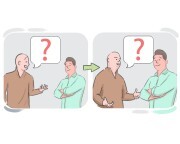
said to someone who is annoyingly quiet when they are expected to speak
ti ha mangiato la lingua il gatto?, perché non parli?
Non startene lì impalato. Ti ha mangiato la lingua il gatto?

used to say that someone can do as they please
fa' pure come vuoi, accomodati pure
Se vuoi leggere tutti e cinque i rapporti stasera, accomodati pure.
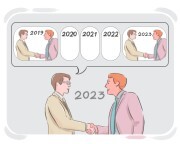
used when greeting someone after a long time has passed since one's last encounter with them
quanto tempo, è da tanto che non ci vediamo
Alla rimpatriata, la gente continuava ad abbracciarsi e a dire: «Quanto tempo».
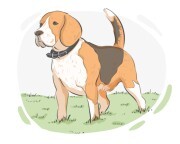
used to refer to dogs, emphasizing their loyalty and companionship with humans
il migliore amico dell'uomo, il fedele compagno dell'uomo
La gente chiama i cani il migliore amico dell'uomo, ma il mio gatto è altrettanto fedele.

used to show that one agrees with someone's suggestion or statement
ora sì che si ragiona, così va meglio
Una spiaggia tranquilla, buon cibo e niente riunioni? Ora sì che si ragiona.
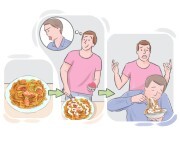
to show that one believes that someone is joking or lying
raccontala a qualcun altro, mi prendi in giro?
Quando papà sostenne di essere stato un cantante famoso all'università, mamma rise e disse: «Mi prendi in giro?»
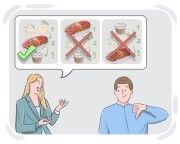
used to show that one does not accept nor agree with someone's statement or opinion
chi lo dice?, secondo chi?
Insistevano che il vecchio negozio fosse il migliore della città. Chi lo dice? Ne ho visti di migliori.

used to show affection or add humor when addressing a person
che birbante, vecchia canaglia
Quel vecchio birbante batte ancora tutti a scacchi.

said to angrily ask a person to stop staring at one
che hai da fissare?, non hai mai visto una persona?
Gli ho chiesto: «Che hai da fissare?» perché non smetteva di guardarmi.

used to express one's complete disbelief about something that another person has just said
sì certo ci credo proprio, continua pure a sognare
Se dice davvero di parlare fluentemente venti lingue, sì, certo, ci credo proprio.

used to show that one is angry, annoyed, or astonished
per l'amor del cielo, ma insomma
Per l'amor del cielo, quello era l'ultimo treno per tornare आख़िरी ट्रेन थी।

used to express disagreement with an idea, statement, or opinion as unimportant, silly, or not worth serious consideration
sciocchezze, ma per favore
Sciocchezze, l'opinione di tuo cugino non decide la questione.

used to express disbelief or rejection of a statement
col cavolo, ma per favore
Hanno detto che il conto era solo di cinque dollari. Ma per favore, guarda tutte quelle spese extra.

used to express that one has experienced the same unpleasant situation, problem, or difficulty that someone else is complaining about
used to dismiss a distinction between two things as unimportant, suggesting that they are practically the same despite being technically different
used to express a strong desire for an opportunity or experience while suggesting that it is extremely unlikely to become available
used sarcastically to suggest that someone is extremely unlikely to receive something desirable or experience the good fortune being discussed
used, often sarcastically, to respond to someone's achievement or good fortune, suggesting that it is not particularly impressive or worthy of attention
used sarcastically to express disbelief in what someone has said, suggesting that the claim is obviously false or difficult to believe
used to express disbelief, annoyance, or rejection when someone's statement, suggestion, or behavior seems ridiculous or unreasonable
used sarcastically to express disbelief about a claim, especially when the available evidence or someone's behavior strongly suggests the opposite
