
Chování a Přístup - Konverzační Odpovědi
Ponořte se do anglických idiomů, které jsou konverzačními odpověďmi, jako "to můžeš říct znova" a "pro Boha živého".
Revize
Kartičky
Kvíz

used to express one's complete agreement with someone's statement

to mi povídej, naprostý souhlas
To mi povídej. Tenhle volný víkend jsme opravdu potřebovali.
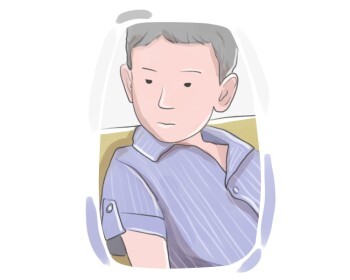
used to show one's lack of sympathy for a person or thing
no a co?, to není můj problém
Přišel jsi o místo ve frontě? To není můj problém; neměl jsi odcházet.

used to angrily state that despite one's disagreement with what someone has said, one will not argue about it
jak chceš, dělej si, co chceš
Jak chceš; objednej ten drahý, když na tom trváš.

used to say goodbye to a person when one expects to see them again
uvidíme se později, zatím ahoj
Řekli "uvidíme se později" a zamířili k metru.

used when giving someone the confirmation that they can do, take, or use something
posluž si, klidně
Jestli si myslíš, že tu tiskárnu opravíš, klidně.

used to show one's anger, surprise, or frustration
sakra, do háje
Sakra, přestaň na mě křičet.
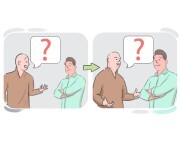
said to someone who is annoyingly quiet when they are expected to speak
kočka ti sežrala jazyk?, proč mlčíš?
Nestůj tam jen tak. Kočka ti sežrala jazyk?
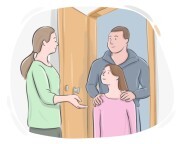
used to say that someone can do as they please
dělej, klidně, do toho
Jestli chceš dnes večer přečíst všech pět zpráv, klidně, do toho.

used when greeting someone after a long time has passed since one's last encounter with them
dlouho jsme se neviděli, to je doba
Na srazu se lidé pořád objímali a říkali: "Dlouho jsme se neviděli."
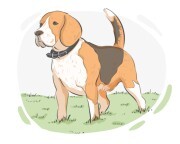
used to refer to dogs, emphasizing their loyalty and companionship with humans
nejlepší přítel člověka, věrný společník člověka
Lidé říkají psům nejlepší přítel člověka, ale moje kočka je stejně věrná.

used to show that one agrees with someone's suggestion or statement
teď už mluvíš rozumně, to je ono
Klidná pláž, dobré jídlo a žádné porady? To je ono.
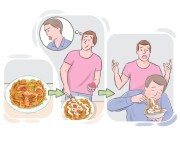
to show that one believes that someone is joking or lying
to povídej někomu jinému, tomu mám jako věřit?
Když táta tvrdil, že byl na vysoké slavný zpěvák, máma se zasmála a řekla: "Tomu mám jako věřit?"
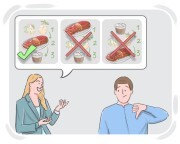
used to show that one does not accept nor agree with someone's statement or opinion
kdo to říká?, a na základě čeho?
Trvali na tom, že ten starý obchod je nejlepší ve městě. Kdo to říká? Viděl jsem lepší.

used to show affection or add humor when addressing a person
ty rošťáku, ty jeden lišáku
Ten starý rošťák pořád poráží všechny v šachu.

said to angrily ask a person to stop staring at one
co tak zíráš?, člověka jsi neviděl?
Řekl jsem mu: "Co tak zíráš?" protože na mě pořád koukal.

used to express one's complete disbelief about something that another person has just said
to ti tak věřím, jen si dál sni
Jestli vážně říká, že plynně mluví dvaceti jazyky, to mu tak věřím.
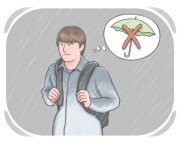
used to show that one is angry, annoyed, or astonished
proboha živého, krucinál
Proboha živého, to byl poslední vlak domů.

used to express disagreement with an idea, statement, or opinion as unimportant, silly, or not worth serious consideration
nesmysl, ale prosím tě
Nesmysl, názor tvého bratrance o tom nerozhoduje.

used to express disbelief or rejection of a statement
to určitě, tomu mám věřit?
Řekli, že účet je jen pět dolarů. Tomu mám věřit? Podívej se na všechny ty poplatky navíc.
