
سلوك ونهج - ردود المحادثة
اغوص في التعابير الإنجليزية التي تكون ردودًا محادثة، مثل "يمكنك قول ذلك مرة أخرى" و "بحق السماء".
مراجعة
بطاقات تعليمية
اختبار قصير
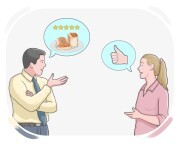
used to express one's complete agreement with someone's statement

صدقت والله, معك حق تمامًا
صدقت والله. كنا فعلًا بحاجة إلى عطلة نهاية هذا الأسبوع.
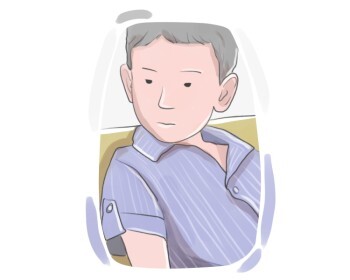
used to show one's lack of sympathy for a person or thing
وماذا في ذلك؟, وما شأني؟
فقدت مكانك في الطابور؟ وما شأني؟ لم يكن عليك أن تبتعد.
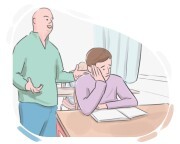
used to angrily state that despite one's disagreement with what someone has said, one will not argue about it
كما تشاء, افعل ما تريد
كما تشاء؛ اطلب الغالي إذا كنت مصرًا.
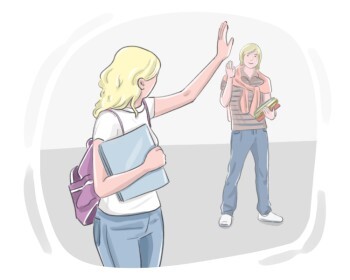
used to say goodbye to a person when one expects to see them again
أراك لاحقًا, إلى اللقاء قريبًا
قالوا «أراك لاحقًا» واتجهوا نحو المترو.

used when giving someone the confirmation that they can do, take, or use something
تفضل, لا مانع لدي
إذا كنت تظن أنك تستطيع إصلاح الطابعة، فتفضل.
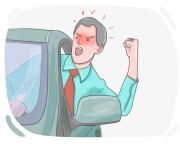
used to show one's anger, surprise, or frustration
يا للهول, تبًا
تبًا، توقف عن الصراخ في وجهي.
said to someone who is annoyingly quiet when they are expected to speak
ما لك ساكت؟, أكل القط لسانك؟
لا تقف هناك فقط. ما لك ساكت؟
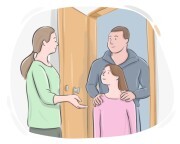
used to say that someone can do as they please
افعل ما يحلو لك, تفضل، لا أحد يمنعك
إذا أردت قراءة التقارير الخمسة كلها الليلة، فتفضل، لا أحد يمنعك.
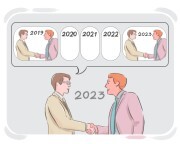
used when greeting someone after a long time has passed since one's last encounter with them
من زمان لم أرك, يا لها من مدة طويلة
في لقاء لمّ الشمل، ظل الناس يعانقون بعضهم ويقولون: «من زمان لم أرك».
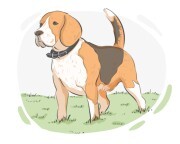
used to refer to dogs, emphasizing their loyalty and companionship with humans
أفضل صديق للإنسان, رفيق الإنسان الوفي
يسمي الناس الكلاب أفضل صديق للإنسان، لكن قطتي تتصرف بوفاء لا يقل عن ذلك.
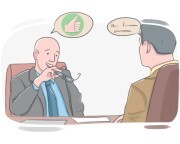
used to show that one agrees with someone's suggestion or statement
هكذا الكلام, هذا ما أريد سماعه
شاطئ هادئ وطعام جيد ولا اجتماعات؟ هكذا الكلام.
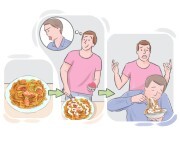
to show that one believes that someone is joking or lying
لا تضحك عليّ, أتظنني سأصدق هذا؟
عندما ادّعى أبي أنه كان مغنيًا مشهورًا في الجامعة، ضحكت أمي وقالت: «أتظنني سأصدق هذا؟»
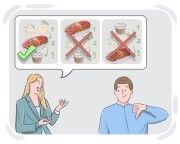
used to show that one does not accept nor agree with someone's statement or opinion
ومن قال ذلك؟, على أي أساس؟
أصروا على أن المتجر القديم هو الأفضل في المدينة. ومن قال ذلك؟ لقد رأيت ما هو أفضل.

used to show affection or add humor when addressing a person
يا مشاغب, أيها الشقي
ذلك المشاغب العجوز لا يزال يهزم الجميع في الشطرنج.

said to angrily ask a person to stop staring at one
ما بك تحدق؟, ألم ترَ إنسانًا من قبل؟
قلت له: «ما بك تحدق؟» لأنه لم يتوقف عن النظر إليّ.

used to express one's complete disbelief about something that another person has just said
طبعًا، صدّقناك, أحلام سعيدة
إذا كان يقول حقًا إنه يتحدث عشرين لغة بطلاقة، فطبعًا صدّقناه.
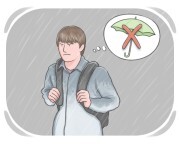
used to show that one is angry, annoyed, or astonished
بحق السماء, يا إلهي كفى
بحق السماء، كان ذلك آخر قطار إلى البيت.
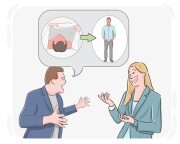
used to express disagreement with an idea, statement, or opinion as unimportant, silly, or not worth serious consideration
كلام فارغ, هراء لا يستحق الاهتمام
كلام فارغ، رأي ابن عمك لا يحسم الأمر.

used to express disbelief or rejection of a statement
كلام فارغ, أتظنني سأصدق هذا؟
قالوا إن الفاتورة خمسة دولارات فقط. أتظنني سأصدق هذا؟ انظر إلى كل تلك الرسوم الإضافية.

used to express that one has experienced the same unpleasant situation, problem, or difficulty that someone else is complaining about
used to dismiss a distinction between two things as unimportant, suggesting that they are practically the same despite being technically different
used to express a strong desire for an opportunity or experience while suggesting that it is extremely unlikely to become available
used sarcastically to suggest that someone is extremely unlikely to receive something desirable or experience the good fortune being discussed
used, often sarcastically, to respond to someone's achievement or good fortune, suggesting that it is not particularly impressive or worthy of attention
used sarcastically to express disbelief in what someone has said, suggesting that the claim is obviously false or difficult to believe
used to express disbelief, annoyance, or rejection when someone's statement, suggestion, or behavior seems ridiculous or unreasonable
used sarcastically to express disbelief about a claim, especially when the available evidence or someone's behavior strongly suggests the opposite
