
Hành Vi và Cách Tiếp Cận - Phản Hồi Hội Thoại
Lặn vào các thành ngữ tiếng Anh là những câu trả lời trò chuyện, như "bạn có thể nói lại điều đó" và "vì tình yêu của Chúa".
Xem lại
Thẻ ghi nhớ
Đố vui

used to express one's complete agreement with someone's statement

chuẩn không cần chỉnh, đúng quá
Đúng quá; ly cà phê này là thứ tuyệt nhất tôi có cả ngày hôm nay.
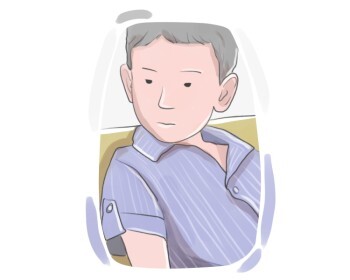
used to show one's lack of sympathy for a person or thing
thì sao?, liên quan gì đến tôi?
Cậu không thích luật mới thì sao? Ai cũng phải tuân theo.

used to angrily state that despite one's disagreement with what someone has said, one will not argue about it
tùy cậu thôi, cậu tự quyết đi
Cô ấy thở dài và nói: "Tùy cậu thôi," rồi rời khỏi phòng.

used to say goodbye to a person when one expects to see them again
gặp lại sau nhé, hẹn gặp lại
Anh ấy vẫy tay từ xe buýt và hét lên: "Gặp lại sau nhé!"

used when giving someone the confirmation that they can do, take, or use something
cứ tự nhiên, tôi không phản đối
Bạn muốn xem ghi chú của tôi à? Cứ tự nhiên.
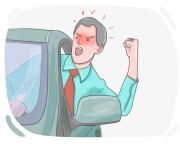
used to show one's anger, surprise, or frustration
chết tiệt, trời ơi
Chết tiệt, sao máy in lại hỏng nữa rồi?
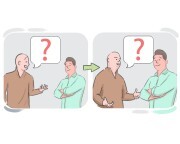
said to someone who is annoyingly quiet when they are expected to speak
sao im re vậy?, sao không nói gì?
Sao im re vậy, hay cậu định giải thích vì sao bỏ lỡ cuộc họp?

used to say that someone can do as they please
muốn làm gì thì làm, cứ tự nhiên
Bạn nghĩ mình sửa được cái radio cũ à? Muốn làm gì thì làm.
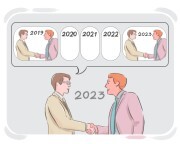
used when greeting someone after a long time has passed since one's last encounter with them
lâu rồi không gặp, lâu lắm rồi mới gặp
Lâu rồi không gặp! Tôi không biết bạn đã chuyển về thành phố.
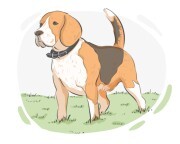
used to refer to dogs, emphasizing their loyalty and companionship with humans
người bạn tốt nhất của con người, người bạn đồng hành trung thành của con người
Bộ phim cho thấy vì sao loài chó xứng đáng với danh hiệu người bạn tốt nhất của con người.

used to show that one agrees with someone's suggestion or statement
thế mới phải chứ, nghe vậy được đấy
Bạn muốn mời mọi người và gọi pizza à? Nghe vậy được đấy.
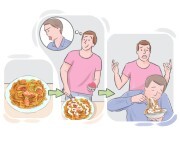
to show that one believes that someone is joking or lying
đừng có lừa tôi, tưởng tôi tin à?
Bạn tưởng tôi tin là bạn gặp một ngôi sao điện ảnh ở trạm xe buýt à? Đừng có lừa tôi.
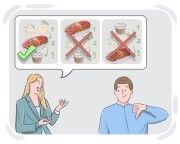
used to show that one does not accept nor agree with someone's statement or opinion
ai nói thế?, dựa vào đâu?
Anh ta nói với tôi rằng con gái không chơi trống được, và tôi nói: "Ai nói thế?"

used to show affection or add humor when addressing a person
đồ nghịch ngợm, cậu đúng là hết nói
Cậu nghịch ngợm đó cuối cùng vẫn nhớ sinh nhật tôi.

said to angrily ask a person to stop staring at one
nhìn gì mà nhìn?, chưa thấy người bao giờ à?
Anh quay sang người lạ và nói: "Chưa thấy người bao giờ à?"

used to express one's complete disbelief about something that another person has just said
ừ tôi tin quá cơ, cứ mơ tiếp đi
Cô ta nói sếp đã năn nỉ cô ta nhận lấy công ty. Ừ, tôi tin quá cơ.
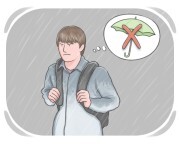
used to show that one is angry, annoyed, or astonished
trời ơi là trời, làm ơn đi
Làm ơn đi, đừng gõ bút nữa.

used to express disagreement with an idea, statement, or opinion as unimportant, silly, or not worth serious consideration
vớ vẩn, thôi đi
Thôi đi, đâu cần hủy buổi dã ngoại chỉ vì vài đám mây.

used to express disbelief or rejection of a statement
vớ vẩn, tưởng tôi tin à?
Cô ta nói lại quên mật khẩu. Vớ vẩn; cô ta chỉ không muốn đăng nhập thôi.

used to express that one has experienced the same unpleasant situation, problem, or difficulty that someone else is complaining about
used to dismiss a distinction between two things as unimportant, suggesting that they are practically the same despite being technically different
used to express a strong desire for an opportunity or experience while suggesting that it is extremely unlikely to become available
used sarcastically to suggest that someone is extremely unlikely to receive something desirable or experience the good fortune being discussed
used, often sarcastically, to respond to someone's achievement or good fortune, suggesting that it is not particularly impressive or worthy of attention
used sarcastically to express disbelief in what someone has said, suggesting that the claim is obviously false or difficult to believe
used to express disbelief, annoyance, or rejection when someone's statement, suggestion, or behavior seems ridiculous or unreasonable
used sarcastically to express disbelief about a claim, especially when the available evidence or someone's behavior strongly suggests the opposite
