
Comportamiento y Enfoque - Respuestas Conversacionales
Sumérgete en los modismos del inglés que son respuestas conversacionales, como "puedes decirlo otra vez" y "por el amor de Dios".
Revisión
Tarjetas de memoria
Cuestionario

used to express one's complete agreement with someone's statement

y tanto, totalmente de acuerdo
Totalmente de acuerdo; este café es lo mejor que he tomado en todo el día.

used to show one's lack of sympathy for a person or thing
¿y qué?, ¿y a mí qué?
¿Y qué si no te gustan las nuevas reglas? Todos tienen que cumplirlas.

used to angrily state that despite one's disagreement with what someone has said, one will not argue about it
como quieras, haz lo que quieras
Suspiró y dijo: «Como quieras», luego salió de la habitación.

used to say goodbye to a person when one expects to see them again
nos vemos luego, hasta luego
Saludó desde el autobús y gritó: «¡Nos vemos luego!»

used when giving someone the confirmation that they can do, take, or use something
adelante, por mí, adelante
¿Quieres revisar mis apuntes? Adelante.

used to show one's anger, surprise, or frustration
maldita sea, joder
Joder, ¿por qué se ha estropeado otra vez la impresora?
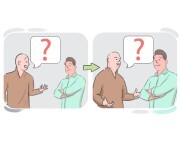
said to someone who is annoyingly quiet when they are expected to speak
¿te comió la lengua el gato?, ¿por qué no hablas?
¿Te comió la lengua el gato o vas a explicar por qué faltaste a la reunión?

used to say that someone can do as they please
haz lo que quieras, adelante, por mí no hay problema
¿Crees que puedes arreglar la radio vieja? Haz lo que quieras.

used when greeting someone after a long time has passed since one's last encounter with them
cuánto tiempo sin verte, hace mucho que no te veía
¡Cuánto tiempo sin verte! No sabía que habías vuelto a la ciudad.

used to refer to dogs, emphasizing their loyalty and companionship with humans
el mejor amigo del hombre, el compañero fiel del ser humano
La película muestra por qué el perro se ha ganado el título de mejor amigo del hombre.

used to show that one agrees with someone's suggestion or statement
ahora sí hablamos, eso ya suena mejor
¿Quieres invitar a todos y pedir pizza? Eso ya suena mejor.
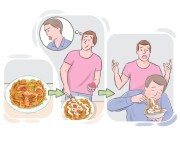
to show that one believes that someone is joking or lying
cuéntaselo a otro, no me tomes el pelo
¿Esperas que crea que conociste a una estrella de cine en la parada del autobús? Cuéntaselo a otro.
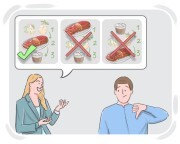
used to show that one does not accept nor agree with someone's statement or opinion
¿y eso quién lo dice?, ¿según quién?
Me dijo que las chicas no pueden tocar la batería, y yo dije: «¿Y eso quién lo dice?»

used to show affection or add humor when addressing a person
qué pillo, viejo zorro
Ese pillo se acordó de mi cumpleaños después de todo.

said to angrily ask a person to stop staring at one
¿qué miras tanto?, ¿nunca has visto a una persona?
Se volvió hacia el desconocido y dijo: «¿Nunca has visto a una persona?»

used to express one's complete disbelief about something that another person has just said
sí claro y yo me lo creo, sigue soñando
Afirmó que el jefe le rogó que se quedara con la empresa. Sí, claro, y yo me lo creo.

used to show that one is angry, annoyed, or astonished
por el amor de Dios, por favor, ya basta
Deja de golpear el bolígrafo, por el amor de Dios.

used to express disagreement with an idea, statement, or opinion as unimportant, silly, or not worth serious consideration
tonterías, anda ya
Anda ya, no deberíamos cancelar el picnic por unas cuantas nubes.

used to express disbelief or rejection of a statement
¡ni de broma!, ¡y una mierda!
Afirmó que volvió a olvidar la contraseña. ¡Ni de broma! Simplemente no quiere iniciar sesión.
