
আচরণ এবং পদ্ধতি - কথোপকথনমূলক প্রতিক্রিয়া
ইংরেজি বাগধারায় ডুব দিন যা কথোপকথনের প্রতিক্রিয়া, যেমন "আপনি আবার বলতে পারেন" এবং "কান্নার জন্য জোরে"।
পুনরাবৃত্তি
ফ্ল্যাশকার্ডসমূহ
কুইজ

used to express one's complete agreement with someone's statement

একদম ঠিক বলেছ, একেবারে সত্যি কথা
সে বলল মিটিংটা সময়ের অপচয় ছিল, আর আমি বললাম, "একদম ঠিক বলেছ।"

used to show one's lack of sympathy for a person or thing
তাতে কী?, আমার কী?
সে অভিযোগ করল কেউ তার জন্য সিট রাখেনি, আর মিয়া বলল, "তাতে কী?"

used to angrily state that despite one's disagreement with what someone has said, one will not argue about it
তোমার যা ইচ্ছে, তুমি যা ভালো বোঝো
তোমার যা ইচ্ছে করো, কিন্তু পরিকল্পনা ভেস্তে গেলে আমাকে দোষ দিও না।

used to say goodbye to a person when one expects to see them again
পরে দেখা হবে, আবার দেখা হবে
পরে দেখা হবে, মায়া; ক্লাসের পর তোমাকে মেসেজ করব।

used when giving someone the confirmation that they can do, take, or use something
নিশ্চয়ই, আমার আপত্তি নেই
তুমি যদি পিজার শেষ টুকরোটা চাও, নিয়ে নাও।

used to show one's anger, surprise, or frustration
ধুর ছাই, হায় সর্বনাশ
হায় সর্বনাশ, ওই গাড়িটা প্রায় আমাদের ধাক্কা মেরেই দিচ্ছিল।
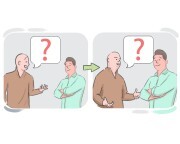
said to someone who is annoyingly quiet when they are expected to speak
চুপ করে আছ কেন?, মুখে কুলুপ এঁটেছ নাকি?
শিক্ষক যখন জিজ্ঞেস করলেন জানালাটা কে ভেঙেছে, সবাই স্যামের দিকে তাকাল। তিনি বললেন, "চুপ করে আছ কেন?"

used to say that someone can do as they please
যা খুশি করো, করতে চাইলে করে ফেলো
আমি কি খালি ডেস্কটা ব্যবহার করতে পারি? করতে চাইলে করে ফেলো।
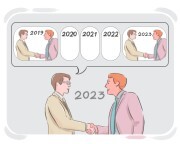
used when greeting someone after a long time has passed since one's last encounter with them
অনেক দিন পর দেখা, কত দিন পর দেখা
বাজারে আমার পুরনো প্রতিবেশীকে দেখে আমি বললাম, "অনেক দিন পর দেখা।"
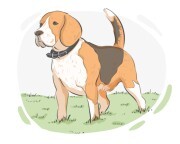
used to refer to dogs, emphasizing their loyalty and companionship with humans
মানুষের সেরা বন্ধু, মানুষের বিশ্বস্ত সঙ্গী
দুর্ঘটনার পর তার কুকুর মানুষের সেরা বন্ধুর মতো তার পাশে রইল।
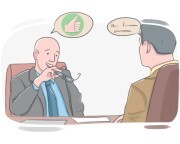
used to show that one agrees with someone's suggestion or statement
এই তো কথা, এবার ঠিক কথা বলেছ
ফ্রি ডেলিভারি আর ছাড়? এই তো কথা।
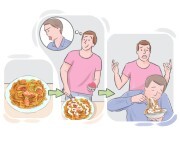
to show that one believes that someone is joking or lying
আমাকে বোকা বানিও না, এটা বিশ্বাস করব নাকি?
সে বলল পুরো প্রকল্পটা দশ মিনিটে শেষ করেছে। এটা বিশ্বাস করব নাকি?
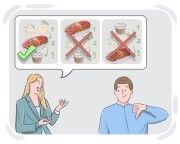
used to show that one does not accept nor agree with someone's statement or opinion
কে বলেছে?, কীসের ভিত্তিতে?
এই পরিকল্পনা কখনো কাজ করবে না? কে বলেছে?

used to show affection or add humor when addressing a person
ওরে দুষ্টু, তুই তো কম না
এদিকে আয়, ওরে দুষ্টু। কত বছর তোকে দেখিনি।

said to angrily ask a person to stop staring at one
এভাবে তাকিয়ে আছ কেন?, মানুষ দেখোনি নাকি?
ছেলেগুলো তার দিকে তাকিয়ে থাকায় সে ঝাঁঝিয়ে বলল, "এভাবে তাকিয়ে আছ কেন?"

used to express one's complete disbelief about something that another person has just said
হ্যাঁ খুব বিশ্বাস করলাম, স্বপ্ন দেখতেই থাকো
তুমি এক বিকেলে এক বছরের কাজ শেষ করে ফেলেছ? হ্যাঁ, খুব বিশ্বাস করলাম।
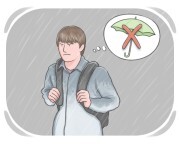
used to show that one is angry, annoyed, or astonished
আরে বাবা, ধুর বাবা
আরে বাবা, আমি তো পাঁচ মিনিট আগেই এটা বুঝিয়েছি।

used to express disagreement with an idea, statement, or opinion as unimportant, silly, or not worth serious consideration
বাজে কথা, এসব ফালতু কথা
সে বলল পুরো ধারণাটাই বিপজ্জনক, কিন্তু আমি বললাম, "বাজে কথা।"

used to express disbelief or rejection of a statement
ধুর, এটা বিশ্বাস করব নাকি?
তুমি আশা করছ আমি বিশ্বাস করব ট্রেনটা একবারের জন্য আগে ছেড়েছে? এটা বিশ্বাস করব নাকি?

used to express that one has experienced the same unpleasant situation, problem, or difficulty that someone else is complaining about
used to dismiss a distinction between two things as unimportant, suggesting that they are practically the same despite being technically different
used to express a strong desire for an opportunity or experience while suggesting that it is extremely unlikely to become available
used sarcastically to suggest that someone is extremely unlikely to receive something desirable or experience the good fortune being discussed
used, often sarcastically, to respond to someone's achievement or good fortune, suggesting that it is not particularly impressive or worthy of attention
used sarcastically to express disbelief in what someone has said, suggesting that the claim is obviously false or difficult to believe
used to express disbelief, annoyance, or rejection when someone's statement, suggestion, or behavior seems ridiculous or unreasonable
used sarcastically to express disbelief about a claim, especially when the available evidence or someone's behavior strongly suggests the opposite
