

pattern

行動とアプローチ - 会話的応答

「あなたはそれを再び言うことができる」や「大声で泣くために」のような会話の返答である英語のイディオムに飛び込んでください。

レビュー

フラッシュカード

クイズ

学習を開始
English idioms related to Behavior & Approach
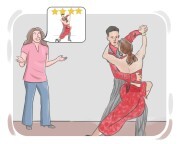
you can say that again

used to express one's complete agreement with someone's statement

まったくその通り, 本当にそうだね

まったくその通り, 本当にそうだね

Ex: This traffic is awful. You can say that again. 
(hard|tough) cheese

used to show one's lack of sympathy for a person or thing

だから何?, 私に何の関係があるの?

だから何?, 私に何の関係があるの?

Ex: You missed the sale? Hard cheese; I told you yesterday. 
have it your way

used to angrily state that despite one's disagreement with what someone has said, one will not argue about it

好きにすれば, 勝手にすればいい

好きにすれば, 勝手にすればいい

Ex: Fine, have it your way; I will not argue about it anymore. 
catch you later

used to say goodbye to a person when one expects to see them again

また後でね, じゃあまた

また後でね, じゃあまた

Ex: I have to run now, but I will catch you later. 
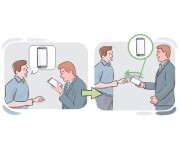
be my guest

used when giving someone the confirmation that they can do, take, or use something

どうぞ, 遠慮なくどうぞ

どうぞ, 遠慮なくどうぞ

Ex: Can I use your phone? Be my guest. 
bloody hell
bloody hell
[間投詞]

used to show one's anger, surprise, or frustration

くそっ, まったくもう

くそっ, まったくもう

Ex: Bloody hell, I forgot my passport. 
cat got your tongue

said to someone who is annoyingly quiet when they are expected to speak

どうして黙ってるの?, 急に黙り込んでどうしたの?

どうして黙ってるの?, 急に黙り込んでどうしたの?

Ex: Cat got your tongue? You were very confident a minute ago. 
knock yourself out

used to say that someone can do as they please

好きにして, どうぞご自由に

好きにして, どうぞご自由に

Ex: If you want to reorganize the whole closet, knock yourself out. 
long time no see
long time no see
[間投詞]

used when greeting someone after a long time has passed since one's last encounter with them

久しぶり, しばらくぶりだね

久しぶり, しばらくぶりだね

Ex: Long time no see, Maya! How have you been? 
man's best friend

used to refer to dogs, emphasizing their loyalty and companionship with humans

人間の最良の友, 人間の忠実な相棒

人間の最良の友, 人間の忠実な相棒

Ex: Dogs are often called man's best friend because they are so loyal. 
now you are talking

used to show that one agrees with someone's suggestion or statement

そうこなくちゃ, それなら話が分かる

そうこなくちゃ, それなら話が分かる

Ex: If you can finish the report by Friday, now you are talking. 
to pull the other (one|leg) (, it has got bells on|)

to show that one believes that someone is joking or lying

冗談でしょ, そんなの信じると思う?

冗談でしょ, そんなの信じると思う?

Ex: You won the lottery twice in one week? Pull the other one. 
says who
says who
[間投詞]

used to show that one does not accept nor agree with someone's statement or opinion

誰がそう言ったの?, 何を根拠に?

誰がそう言ったの?, 何を根拠に?

Ex: You say I am too young for the job. Says who? 
son of a gun

used to show affection or add humor when addressing a person

このいたずら者め, まったく君ってやつは

このいたずら者め, まったく君ってやつは

Ex: You fixed the bike already? You son of a gun, thank you! 
take a picture

said to angrily ask a person to stop staring at one

何じろじろ見てるの?, 人を見るの初めて?

何じろじろ見てるの?, 人を見るの初めて?

Ex: Take a picture, it will last longer. Stop staring at me. 
the moon is made of (green|) cheese

used to express one's complete disbelief about something that another person has just said

はいはい、信じたよ, 夢でも見てなよ

はいはい、信じたよ, 夢でも見てなよ

Ex: He says he can buy that mansion with his savings?  Yeah, and the moon is made of green cheese. 
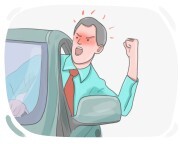
for crying out loud

used to show that one is angry, annoyed, or astonished

いい加減にしてよ, 勘弁してよ

いい加減にしてよ, 勘弁してよ

Ex: For crying out loud, close the door before the cat gets out. 
pish posh
pish posh
[間投詞]

used to express disagreement with an idea, statement, or opinion as unimportant, silly, or not worth serious consideration

ばかばかしい, くだらないよ

ばかばかしい, くだらないよ

Ex: Pish posh, that rule is too silly to worry about. 
pig's ass
pig's ass
[間投詞]

used to express disbelief or rejection of a statement

そんなわけないだろ, ばか言うな

そんなわけないだろ, ばか言うな

Ex: He says he did all the work alone? Pig's ass. 
LanGeek
LanGeekアプリをダウンロード