
Comportamento e Abordagem - Respostas Conversacionais
Mergulhe em expressões idiomáticas em inglês que são respostas conversacionais, como "você pode dizer isso de novo" e "pelo amor de Deus".
Revisar
Flashcards
Quiz

used to express one's complete agreement with someone's statement

podes crer, é mesmo isso
Podes crer. Precisávamos mesmo deste fim de semana livre.

used to show one's lack of sympathy for a person or thing
e daí?, e eu com isso?
Perdeste o teu lugar na fila? E eu com isso? Não devias ter saído.

used to angrily state that despite one's disagreement with what someone has said, one will not argue about it
como quiseres, faz como achares melhor
Como quiseres; pede o caro se fazes tanta questão.

used to say goodbye to a person when one expects to see them again
até mais tarde, a gente se vê
Disseram «até mais tarde» e seguiram em direção ao metro.

used when giving someone the confirmation that they can do, take, or use something
fica à vontade, por mim, força
Se achas que consegues arranjar a impressora, fica à vontade.

used to show one's anger, surprise, or frustration
raios, caramba
Raios, para de gritar comigo.
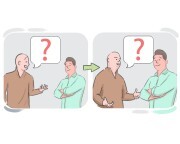
said to someone who is annoyingly quiet when they are expected to speak
o gato comeu-te a língua?, ficaste sem fala?
Não fiques aí parado. O gato comeu-te a língua?

used to say that someone can do as they please
faz o que quiseres, força, está à vontade
Se queres ler os cinco relatórios hoje à noite, força, está à vontade.

used when greeting someone after a long time has passed since one's last encounter with them
há quanto tempo, há muito tempo que não te via
No reencontro, as pessoas abraçavam-se sem parar e diziam: «Há quanto tempo.»

used to refer to dogs, emphasizing their loyalty and companionship with humans
o melhor amigo do homem, o companheiro fiel do ser humano
As pessoas chamam os cães o melhor amigo do homem, mas o meu gato é igualmente fiel.

used to show that one agrees with someone's suggestion or statement
agora sim, assim já gosto
Uma praia tranquila, boa comida e nada de reuniões? Agora sim.
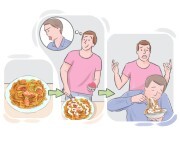
to show that one believes that someone is joking or lying
vai contar essa a outro, achas que acredito nisso?
Quando o pai afirmou que tinha sido um cantor famoso na faculdade, a mãe riu-se e disse: «Achas que acredito nisso?»
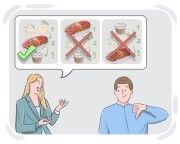
used to show that one does not accept nor agree with someone's statement or opinion
quem disse?, segundo quem?
Insistiam que a loja antiga era a melhor da cidade. Quem disse? Já vi melhores.

used to show affection or add humor when addressing a person
seu danado, seu malandro
Aquele velho danado ainda ganha a todos no xadrez.

said to angrily ask a person to stop staring at one
estás a olhar para quê?, nunca viste gente?
Perguntei-lhe: «Estás a olhar para quê?» porque ele não parava de olhar para mim.

used to express one's complete disbelief about something that another person has just said
sim claro acredito mesmo, continua a sonhar
Se ele diz mesmo que fala vinte línguas fluentemente, sim, claro, acredito mesmo.

used to show that one is angry, annoyed, or astonished
pelo amor de Deus, por favor, chega
Pelo amor de Deus, aquele era o último comboio para casa.

used to express disagreement with an idea, statement, or opinion as unimportant, silly, or not worth serious consideration
disparates, ora essa
Disparates, a opinião do teu primo não decide a questão.

used to express disbelief or rejection of a statement
nem pensar, achas que acredito nisso?
Disseram que a conta era só cinco dólares. Achas que acredito nisso? Olha para todas aquelas taxas extra.

used to express that one has experienced the same unpleasant situation, problem, or difficulty that someone else is complaining about
used to dismiss a distinction between two things as unimportant, suggesting that they are practically the same despite being technically different
used to express a strong desire for an opportunity or experience while suggesting that it is extremely unlikely to become available
used sarcastically to suggest that someone is extremely unlikely to receive something desirable or experience the good fortune being discussed
used, often sarcastically, to respond to someone's achievement or good fortune, suggesting that it is not particularly impressive or worthy of attention
used sarcastically to express disbelief in what someone has said, suggesting that the claim is obviously false or difficult to believe
used to express disbelief, annoyance, or rejection when someone's statement, suggestion, or behavior seems ridiculous or unreasonable
used sarcastically to express disbelief about a claim, especially when the available evidence or someone's behavior strongly suggests the opposite
