
Verbi di Aiuto e Ferimento - Verbi per causare danno
Qui imparerai alcuni verbi inglesi che si riferiscono a causare danni come "ferire", "danneggiare" e "tormentare".
Revisione
Flashcard
forme
Ortografia
Quiz
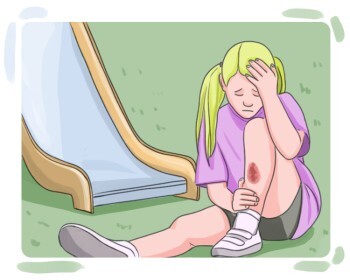
to cause injury or physical pain to yourself or someone else

ferire, far male
Stava correndo e si è ferita al muscolo della coscia.
to physically cause harm to a person or thing
ferire
Il cavallo ha calciato e ferito l'agricoltore.
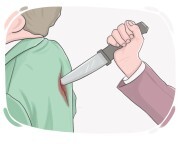
to physically hurt someone or damage something
nuocere, danneggiare
Lei si danneggia trascurando il suo benessere.
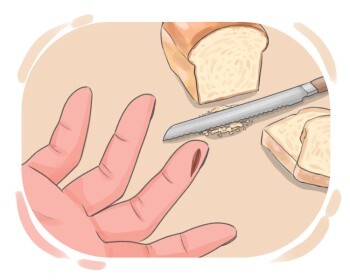
to cause physical harm or injury to someone
ferire
Le spine di alcune piante possono facilmente ferire i giardinieri se non maneggiate con cura.
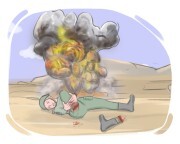
to cause serious and often permanent injury to a person, typically by disabling a part of their body
mutilare, menomare
Le mine terrestri nelle zone di conflitto rappresentano una minaccia significativa, in grado di mutilare civili ignari.
to cause severe damage or harm
mutilare, sfregiare
L'incidente ha mutilato il suo braccio, lasciando cicatrici permanenti.
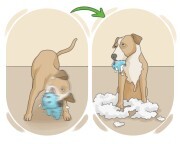
to attack or handle someone or something roughly, causing severe injury or damage
sbranare, straziare
In rari casi, gli animali selvatici possono sbranare gli individui che entrano involontariamente nel loro territorio, causando gravi ferite.

to leave a mark on the skin after the injured tissue has healed
sfregiare
Le ferite profonde dell'incidente possono cicatrizzare, ma raccontano anche una storia di sopravvivenza.
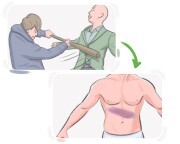
to make injuries, particularly ones caused by a blow, appear on the skin and cause discoloration
ecchimosi
La collisione con il pallone da calcio gli ha livido la coscia, ma ha continuato a giocare.
to cause a bruise or injury to the body, typically by blunt force or impact
contundere, ammaccare
L'oggetto pesante è caduto, mancando di poco il suo piede ma riuscendo comunque a contunderlo.

to cause suffering or discomfort to the body
dolere, causare dolore
Lo stress emotivo può dolore il corpo, portando a sintomi fisici.
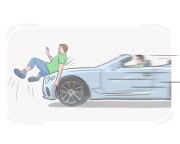
to hit and pass over something or someone with a vehicle, causing damage
investire, schiacciare
Il motociclista ha cercato di evitare di investire i detriti sulla strada, ma era troppo tardi.

to make someone or something unconscious
stendere, mettere KO
I fumi della fuoriuscita chimica hanno knockoutato i lavoratori in laboratorio.
to harm or injure someone or something
danneggiare, ferire
Le intense critiche hanno danneggiato la sua autostima.
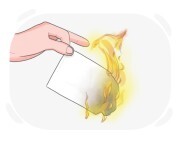
to be on fire and be destroyed by it
bruciare, ardere
Le foglie secche nel cortile bruciarono facilmente quando una piccola fiamma le toccò.

to intentionally set fire to something, causing it to burn or be destroyed
dare fuoco a, incendiare
È illegale dare fuoco alla proprietà personale come mezzo di vendetta o vandalismo.

to burn something slightly on the surface, causing a change in color without significant damage
scottare, bruciacchiare
Utilizzare un'impostazione ad alta temperatura sulla piastra per capelli può bruciare leggermente i capelli.
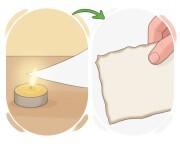
to lightly burn something on the surface, causing minimal damage
bruciacchiare, scottare leggermente
Ha accidentalmente bruciacchiato il bordo della sua camicia accendendo la candela.
to burn something lightly
bruciare leggermente, fiammeggiare leggermente
Ha usato con attenzione una piccola fiamma per bruciare leggermente i bordi della carta e darle un aspetto rustico.
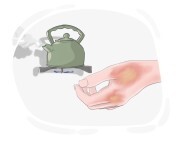
to injure oneself with hot liquid or steam
brunciare
La pentola di zuppa si è rovesciata, scottando chiunque si trovasse sul suo percorso.
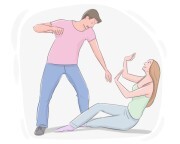
to violently attack someone
attaccare
Le autorità hanno lavorato per creare consapevolezza sulle conseguenze di aggredire gli operatori sanitari durante la pandemia.

to attack someone aggressively, either physically or verbally
avventarsi su, aggredire
Quando la guardia di sicurezza ha cercato di intervenire, i taccheggiatori sono diventati aggressivi e gli si sono avventati contro.
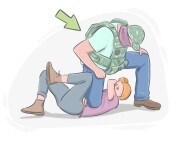
to attack or assault someone or something in a violent or aggressive manner
avventarsi su, attaccare violentemente
La decisione del manager di tagliare i benefici ha fatto sì che i dipendenti gli si scagliassero contro con rabbia.

to force someone to have sex against their will, particularly by using violence or threatening them
stuprare
È cruciale che le forze dell'ordine indaghino sui casi tempestivamente quando qualcuno è accusato di stupro nei confronti di un'altra persona.

to violently hurt a person as a punishment or as a way of obtaining information from them
torturare
to subject someone to severe physical suffering
tormentare, martirizzare
I criminali hanno tormentato le loro vittime per ore prima di rilasciarle.
to torture using a device designed to stretch or elongate the body, causing extreme pain
stirare, torturare sulla graticola
I resoconti storici descrivono come i prigionieri venissero stirati durante gli interrogatori nelle segrete medievali.
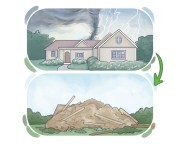
to cause or impose something unpleasant, harmful, or unwelcome upon someone or something
infliggere
La guerra ha inflitto un trauma duraturo ai sopravvissuti.
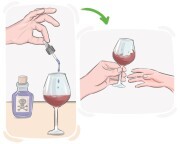
to give a substance containing toxins or harmful elements to a person or animal with the intention of causing illness, harm, or death
avvelenare
Nel Medioevo, le persone a volte avvelenavano i loro nemici con erbe velenose.
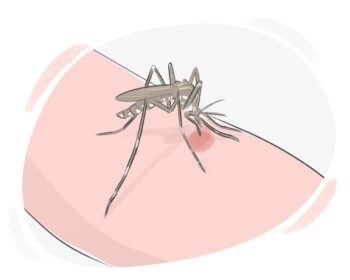
(of an animal or insect) to pierce the skin of another animal or a human, typically injecting poison, either in self-defense or while preying
pungere
Se provocato, lo scorpione pungerà come mezzo di autodifesa.
