pattern

動きの動詞 - 体の姿勢の変化のための動詞

ここでは、"立つ"、"お辞儀する"、"寄りかかる"など、体勢の変化を指すいくつかの英語の動詞を学びます。

レビュー

フラッシュカード

語形

綴り

クイズ

学習を開始
Categorized English Verbs of Movement
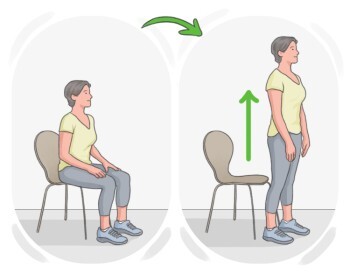
to stand
to stand
[動詞]

to rise up onto one's feet, typically from a seated or lying position, and support oneself in an upright position

立つ, 立ち上がる

立つ, 立ち上がる

Ex: As the professor walked into the lecture hall, the students stood to show their respect. 

教授が講堂に入ると、学生たちは敬意を表して立ち上がりました。

to stand up
to stand up
[動詞]

to rise to a standing position from a seated or lying position

立つ, 立ち上がる

立つ, 立ち上がる

Ex: She stood up when the speaker entered the room. 

スピーカーが部屋に入った時、彼女は立ち上がりました。

to get up
to get up
[動詞]

to get on our feet and stand up

起きる, 立ち上がる

起きる, 立ち上がる

Ex: After a long flight, it felt good to get up and stretch my legs. 

長いフライトの後、立ち上がって足を伸ばすのは気持ちよかった。

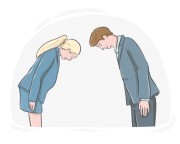
to bow
to bow
[動詞]

to bend the head or move the upper half of the body forward to show respect or as a way of greeting

お辞儀をする, 頭を下げる

お辞儀をする, 頭を下げる

Ex: As the queen entered the room, the courtiers bowed deeply. 

女王が部屋に入ると、廷臣たちは深くお辞儀をした。

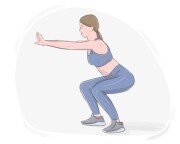
to squat
to squat
[動詞]

to go to a position in which the knees are bent and the back of thighs are touching or very close to one's heels

しゃがむ,  スクワットする

しゃがむ, スクワットする

Ex: During the workout, the fitness instructor demonstrated how to squat properly. 

ワークアウト中、フィットネスインストラクターは正しいスクワットの方法を実演しました。
to scooch
to scooch
[動詞]

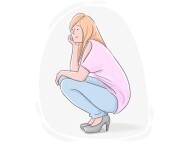
to crouch or squat down slightly

しゃがむ, 少し腰を落とす

しゃがむ, 少し腰を落とす

Ex: The cat scooched down, ready to pounce on the unsuspecting prey. 

猫は少ししゃがみ込み、油断した獲物に飛びかかる準備をした。

to hunker
to hunker
[動詞]

to squat down low, or sit on one's haunches in a relaxed or stable position

しゃがむ, 蹲る

しゃがむ, 蹲る

Ex: The children hunkered down in the grass to observe the tiny insects crawling beneath them. 

子供たちは草むらにしゃがみ込み、その下を這う小さな昆虫を観察しました。

to crouch
to crouch
[動詞]

to sit on one's calves and move the chest close to one's knees

しゃがむ, かがむ

しゃがむ, かがむ

Ex: Crouch beside me so we can plan our next move. 

私の横にしゃがんで、次の動きを計画しましょう。

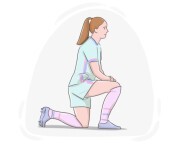
to kneel
to kneel
[動詞]

to support the weight of the body on a knee or both knees

ひざまずく

ひざまずく

Ex: In prayer, the congregation was instructed to kneel and seek solace in their faith. 

祈りの中で、会衆はひざまずくように指示され、信仰に慰めを求めました。

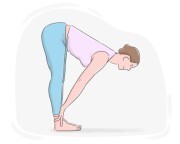
to stoop
to stoop
[動詞]

to bend the upper side of one's body forward

かがむ, 身をかがめる

かがむ, 身をかがめる

Ex: She had to stoop to pick up the fallen papers from the floor. 

彼女は床に落ちた紙を拾うためにかがむ必要がありました。

to duck
to duck
[動詞]

to lower the head or body quickly as a gesture of avoidance or to avoid being hit

身をかわす, 素早く頭を下げる

身をかわす, 素早く頭を下げる

Ex: The comedian pretended to throw an imaginary object into the audience, making everyone duck in surprise. 

コメディアンは架空の物を観客に投げるふりをし、みんなを驚かせて身をかがめさせた。
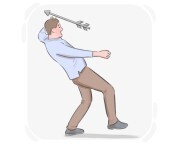
to lean
to lean
[動詞]

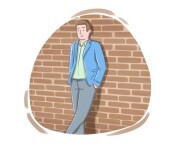
to bend from a straight position typically to rest the body against something for support

寄りかかる, 傾く

寄りかかる, 傾く

Ex: The teenager leaned on the fence, engrossed in a conversation with a friend. 

その十代の若者は柵に寄りかかり、友人との会話に夢中になっていた。

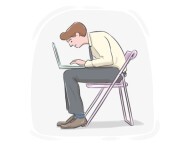
to hunch
to hunch
[動詞]

to bend the upper side of the body forward and make a rounded back

身をかがめる, 前かがみになる

身をかがめる, 前かがみになる

Ex: As the storm approached, people hunched against the wind and rain, trying to shield themselves. 

嵐が近づくにつれ、人々は風や雨から身を守ろうと前かがみになりました。

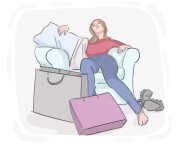
to slump
to slump
[動詞]

to sit, lean or fall heavily or suddenly, typically due to exhaustion, weakness, or lack of energy.

倒れ込む, ぐったりと座る

倒れ込む, ぐったりと座る

Ex: After the long hike, he slumped onto the rock, catching his breath and resting his tired legs. 

長いハイキングの後、彼は岩の上に倒れ込み、息を整え、疲れた足を休めた。

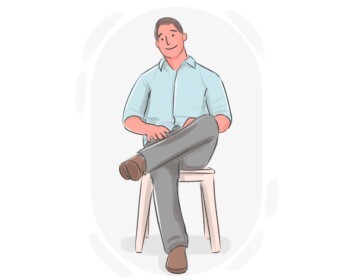
to sit
to sit
[動詞]

to put our bottom on something like a chair or the ground while keeping our back straight

座る, 腰を下ろす

座る, 腰を下ろす

Ex: After a long hike, they were relieved to find a bench to sit on. 

長いハイキングの後、彼らは座るためのベンチを見つけて安心した。

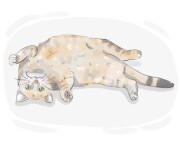
to flop
to flop
[動詞]

to fall or collapse suddenly and heavily, either intentionally or unintentionally

崩れ落ちる, 重く倒れる

崩れ落ちる, 重く倒れる

Ex: The exhausted runner flopped onto the ground after crossing the finish line. 

疲れ切ったランナーはゴールラインを越えた後、地面に倒れ込んだ。

to flump
to flump
[動詞]

to fall or sit down heavily, often with a soft or muffled sound

どさっと座る, 重い音を立てて落ちる

どさっと座る, 重い音を立てて落ちる

Ex: Feeling utterly exhausted, she flumped onto the sofa, ready for a break. 

完全に疲れ果てたと感じて、彼女はソファーにどさっと座り、休憩の準備ができた。
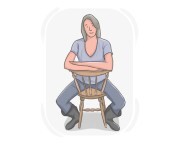
to straddle
to straddle
[動詞]

to sit with one leg on either side of an object

またがる, 足を広げて座る

またがる, 足を広げて座る

Ex: Right now, the cowboy is straddling the horse as he prepares for the rodeo event. 

今、カウボーイはロデオのイベントに備えて馬にまたがっています。

to bestride
to bestride
[動詞]

to sit or stand with one leg on either side of

両足を広げて座るまたは立つ, 跨る

両足を広げて座るまたは立つ, 跨る

Ex: The fearless acrobat bestrode two galloping horses, showcasing an incredible feat of agility. 

恐れ知らずの曲芸師は、駆け抜ける2頭の馬にまたがり、信じられないほどの敏捷性の偉業を披露しました。
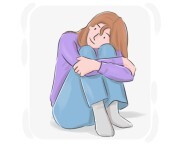
to curl up
to curl up
[動詞]

to position one's body like a ball with one's arms and legs placed close to one's body while sitting

丸くなる, 身を縮める

丸くなる, 身を縮める

Ex: After a long day at work, she likes to curl up on the sofa with a good book. 

長い一日の仕事の後、彼女は良い本と一緒にソファで丸くなるのが好きです。

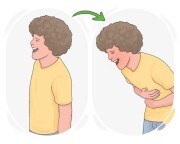
to double up
to double up
[動詞]

to bend over typically as a reaction to laughter or pain

折れ曲がる, 笑いで身をよじる

折れ曲がる, 笑いで身をよじる

Ex: The comedian's joke was so funny that the audience began to double up with laughter. 

コメディアンのジョークはとても面白く、観客は笑いで体を折り曲げ始めました。

to lie
to lie
[動詞]

(of a person or animal) to be in a resting position on a flat surface, not standing or sitting

横になる,  寝転ぶ

横になる, 寝転ぶ

Ex: After finishing the book, he decided to lie in bed and reflect on the story. 

本を読み終えた後、彼はベッドに横たわり、その物語について考えようと決めた。

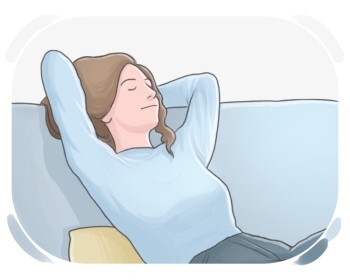
to recline
to recline
[動詞]

to bend the upper body backwards

後ろに傾ける, 上体を後ろに反らす

後ろに傾ける, 上体を後ろに反らす

Ex: She reclined on the beach chair, soaking up the sun and listening to the sound of the waves. 

彼女はビーチチェアに寄りかかり、日光を浴びながら波の音を聞いていた。

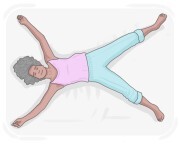
to sprawl
to sprawl
[動詞]

to spread out one's limbs in a relaxed manner while sitting, falling, etc.

伸びる, 広がる

伸びる, 広がる

Ex: Exhausted after the long hike, he decided to sprawl on the grass and enjoy the view. 

長いハイキングの後で疲れ果て、彼は芝生の上に寝転がって景色を楽しむことにした。

LanGeek
LanGeekアプリをダウンロード