
pattern

ACT 人文科学 - 宗教と信仰

ここでは、ACTで高得点を取るのに役立つ「世俗的」「儀式」「神」など、宗教や信念に関連するいくつかの英単語を学びます。

レビュー

フラッシュカード

綴り

クイズ

学習を開始
ACT Vocabulary for Humanities
Scripture
Scripture
[名詞]

the sacred writings of the Christian faith, comprising the Old and New Testaments of the Bible, considered authoritative and divinely inspired by Christian

聖書, 聖典

聖書, 聖典

Ex: The Bible, as a central scripture in Christianity, is divided into the Old Testament and the New Testament. 

キリスト教の中心的な聖書として、聖書は旧約聖書と新約聖書に分かれています。

deity
deity
[名詞]

a supernatural figure that is worshipped like a god or goddess

神, 神性

神, 神性

Ex: In ancient Greece, Zeus was considered a powerful deity. 

古代ギリシャでは、ゼウスは強力なと考えられていました。

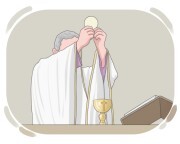
altar
altar
[名詞]

the table in a church, used for giving communion in Christianity

祭壇, 聖餐台

祭壇, 聖餐台

Ex: The congregation gathered around the altar for the morning service. 

会衆は朝の礼拝のために祭壇の周りに集まった。

providence
providence
[名詞]

the divine guidance, care, and intervention of a higher power

摂理, 神の摂理

摂理, 神の摂理

Ex: The religious community attributed their survival in difficult times to the providence of God, believing in divine protection. 

宗教コミュニティは、困難な時期における彼らの生存を神の摂理に帰し、神の保護を信じていました。
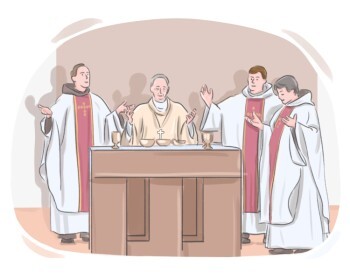
rite
rite
[名詞]

a formal or ceremonial act, procedure, or ritual, often associated with religious practices

儀式, 祭式

儀式, 祭式

Ex: During the Easter service, the congregation participated in the solemn rite of communion. 

復活祭の礼拝中、会衆は聖餐式の厳かな儀式に参加しました。

mosque
mosque
[名詞]

a place of worship, used by Muslims

モスク, イスラム教の礼拝所

モスク, イスラム教の礼拝所

Ex: The minaret of the mosque towered over the city skyline, calling the faithful to prayer. 

モスクのミナレットが都市のスカイラインにそびえ立ち、信者を礼拝に呼びかけました。
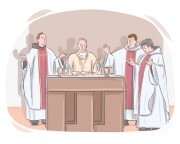
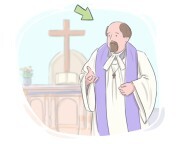
clergy
clergy
[名詞]

people who are officially chosen to lead religious services in a church or other religious institution

聖職者,  clergy

聖職者, clergy

Ex: The clergy gathered for the annual conference. 

聖職者が年次会議のために集まりました。

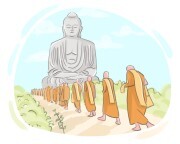
monk
monk
[名詞]

a member of a male religious group that lives in a monastery

修道士, 僧侶

修道士, 僧侶

Ex: The monk spent his days in prayer and contemplation within the monastery walls. 

修道士は修道院の壁の中で祈りと瞑想に日々を費やしました。

disciple
disciple
[名詞]

a follower or student who adheres to the teachings and practices of a particular leader, teacher, or philosophy

弟子,  信奉者

弟子, 信奉者

Ex: Jesus Christ had many disciples who followed him and spread his teachings. 

イエス・キリストには、彼に従い、その教えを広めた多くの弟子がいました。

denomination
denomination
[名詞]

a distinct branch or or subgroup within a larger religious tradition, characterized by specific beliefs, practices, and organizational structures

宗派, 教派

宗派, 教派

Ex: The Catholic Church is the largest denomination within Christianity, with millions of followers worldwide. 

カトリック教会は、キリスト教内で最大の宗派であり、世界中に何百万人もの信者がいます。

hymn
hymn
[名詞]

a religious song intended to praise God, especially sung by Christians in congregation

賛美歌, 聖歌

賛美歌, 聖歌

Ex: The congregation sang a hymn at the beginning of the service. 

会衆は礼拝の初めに賛美歌を歌いました。

gospel
gospel
[名詞]

a set of teachings or principles of a religious group considered authoritative or generally accepted within that group

福音, 教義

福音, 教義

Ex: Followers adhere to the gospel of their faith. 

信者は自分たちの信仰の福音に従う。

pilgrimage
pilgrimage
[名詞]

a journey or religious expedition to a sacred place or shrine, typically undertaken for spiritual or religious reasons

巡礼, 宗教的な旅

巡礼, 宗教的な旅

Ex: Every year, devout Hindus embark on a pilgrimage to the sacred city of Varanasi to bathe in the holy Ganges River. 

毎年、敬虔なヒンドゥー教徒は聖なるガンジス川で沐浴するために聖なる都市ヴァラナシへの巡礼に出発します。

dogma
dogma
[名詞]

a belief or a belief system held by an authority who proclaims it to be undeniably true and expects immediate acceptance

教義, 信念

教義, 信念

Ex: The church's dogma was strictly enforced, leaving no room for dissenting opinions. 

教会の教義は厳格に施行され、異議を唱える意見の余地はなかった。

motto
motto
[名詞]

a brief statement or phrase that represents the guiding beliefs or ideals of an individual, family, or institution

モットー, 標語

モットー, 標語

Ex: The school's motto, "Perseverance and Excellence," inspires students to strive for success. 

学校のモットー、「忍耐と卓越」は、生徒たちに成功を目指すよう奮起させます。

credo
credo
[名詞]

a formal statement of beliefs or principles, often religious or philosophical in nature

信条, 信仰告白

信条, 信仰告白

Ex: The Nicene Creed is a well-known Christian credo that articulates fundamental beliefs about the nature of God and Christ. 

ニカイア信条は、神とキリストの性質についての基本的な信念を明確にしたよく知られたキリスト教の信条です。

spiritualism
spiritualism
[名詞]

the belief that the human spirit or soul can survive after death and communicate with the living

スピリチュアリズム, 心霊主義

スピリチュアリズム, 心霊主義

Ex: She was fascinated by spiritualism and attended séances regularly. 

彼女はスピリチュアリズムに魅了され、定期的に降霊会に参加した。

rationalism
rationalism
[名詞]

the belief or principle that ideas and actions should be based on logic instead of religion or emotion

合理主義, 理性主義

合理主義, 理性主義

idealism
idealism
[名詞]

the belief in or pursuit of high principles, values, or ideals, often with a focus on the potential for perfection or improvement

理想主義

理想主義

Ex: His idealism led him to work for social change in his community. 

彼の理想主義は、彼をコミュニティの社会的変化のために働かせた。

determinism
determinism
[名詞]

the theory or doctrine that all events and occurrences are completely determined by previously existing causes, therefore human beings cannot be punished or held accountable for their deeds

決定論, 運命論

決定論, 運命論

fundamentalism

a strict commitment to the core beliefs and teachings of a religion, often accompanied by a literal interpretation of its sacred texts

原理主義, 根本主義

原理主義, 根本主義

Ex: Islamic fundamentalism seeks to implement Sharia law based on a strict interpretation of the Quran. 

イスラム原理主義は、クルアーンの厳格な解釈に基づいてシャリーア法を実施しようとしています。

empiricism
empiricism
[名詞]

(in philosophy) the doctrine that knowledge is derived from sensory experience rather than theory or intuition

経験論, 経験論

経験論, 経験論

Ex: John Locke is a central figure in philosophical empiricism. 

ジョン・ロックは哲学的経験主義の中心的人物です。

individualism

the conviction that prioritizes self-reliance and personal independence as virtues

個人主義, 個人主義

個人主義, 個人主義

Ex: The debate between individualism and collectivism is central to many political and social theories. 

個人主義と集産主義の間の議論は、多くの政治的および社会的理論の中心です。

consumerism
consumerism
[名詞]

the idea or belief that personal well-being and happiness depend on the purchase of material goods

消費主義,  物質主義

消費主義, 物質主義

Ex: The holiday season is often associated with consumerism, as people are encouraged to buy gifts for friends and family. 

ホリデーシーズンはしばしば消費主義と関連付けられます、人々は友人や家族のために贈り物を買うように勧められるからです。

materialism
materialism
[名詞]

the philosophical belief that the spiritual world does not exist and the only thing that exists is physical matter

唯物論, 唯物主義哲学

唯物論, 唯物主義哲学

dualism
dualism
[名詞]

the belief that reality consists of two fundamental and opposing components, such as mind and body or good and evil

二元論, 二元論の教義

二元論, 二元論の教義

Ex: Cartesian dualism, proposed by René Descartes, posits a separation between the mind and the body as two distinct substances. 

ルネ・デカルトによって提案されたデカルト的二元論は、心と体を二つの異なる実体として分離することを主張しています。

egalitarian
egalitarian
[名詞]

a person who believes in or advocates for the principle of equality, especially in regards to social, political, and economic affairs

平等主義者, 平等の提唱者

平等主義者, 平等の提唱者

Ex: As an egalitarian, she fought for equal rights across all social classes. 

平等主義者として、彼女はすべての社会階級における平等な権利のために戦った。

utilitarian
utilitarian
[名詞]

someone who supports the theory that actions are morally right if they maximize happiness or pleasure and morally wrong if they cause unhappiness or pain, regardless of other outcomes

功利主義者

功利主義者

Ex: John Stuart Mill is known as a prominent utilitarian philosopher who developed the theory of utilitarianism. 

ジョン・スチュアート・ミルは、功利主義の理論を発展させた著名な功利主義の哲学者として知られています。

pacifist
pacifist
[名詞]

an individual who is against war and violence as a way to settle disagreements or conflicts

平和主義者

平和主義者

Ex: As a pacifist, she refused to participate in any form of military action. 

平和主義者として、彼女はいかなる形の軍事行動にも参加することを拒否した。

zealot
zealot
[名詞]

a person who is fanatically committed to a cause, ideology, or belief, often with uncompromising intensity and willingness to act aggressively in its defense

熱狂的信者, 熱心家

熱狂的信者, 熱心家

Ex: The environmental zealot chained himself to the pipeline in protest. 

環境熱狂家は抗議のために自身をパイプラインに鎖でつないだ。

radical
radical
[名詞]

a person who holds extreme or unconventional ideas or opinions

急進主義者, 過激派

急進主義者, 過激派

Ex: The radical spoke passionately at the town hall. 

過激派は町役場で情熱的に話した。

abolitionist
abolitionist
[名詞]

a person who advocates for the complete elimination of something

廃止論者, 廃止の支持者

廃止論者, 廃止の支持者

Ex: Susan B. Anthony was not only a suffragist but also an abolitionist who fought for the rights of women and slaves. 

スーザン・B・アンソニーは、女性の参政権運動家であるだけでなく、女性と奴隷の権利のために戦った廃止主義者でもありました。
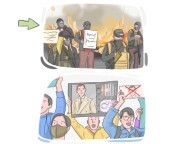
extremist
extremist
[形容詞]

holding or promoting extreme opinions in politics, religion, etc.

過激な

過激な

Ex: The extremist group was responsible for several terrorist attacks in the region. 

過激派グループは、地域でいくつかのテロ攻撃の責任を負っていました。

martyr
martyr
[名詞]

someone who is killed because of their beliefs

殉教者, 烈士

殉教者, 烈士

Ex: He is remembered as a martyr for his fight against injustice. 

彼は不正に対する戦いのために 殉教者 として remembered されています。

benediction
benediction
[名詞]

a prayer asking for divine blessing, protection, or guidance

祝福, 祝福の祈り

祝福, 祝福の祈り

Ex: He whispered a benediction over his sleeping child. 

彼は眠っている子供の上に祝福をささやいた。

to minister
to minister
[動詞]

to fulfill a role in religious service or guidance, providing support and leadership within a community

奉仕する, 説教する

奉仕する, 説教する

Ex: After completing seminary, she decided to minister to a local community as a pastor. 

神学校を卒業した後、彼女は牧師として地元のコミュニティに奉仕することを決めました。

to baptize
to baptize
[動詞]

to initiate into a religious faith by immersing in or sprinkling with water

洗礼を施す, 水に浸す

洗礼を施す, 水に浸す

Ex: The pastor will baptize the newborn as a symbol of initiation into the Christian faith. 

牧師はキリスト教信仰への入信の象徴として新生児に洗礼を施します。

to espouse
to espouse
[動詞]

to take up, follow, or support a cause, belief, ideology, etc.

受け入れる, 支持する

受け入れる, 支持する

to consecrate

to make something sacred through religious rituals

神聖にする, 奉献する

神聖にする, 奉献する

Ex: The priest consecrated the church with a special ceremony, dedicating it to divine worship. 

司祭は特別な儀式で教会を奉献し、神聖な礼拝に捧げた。

sacred
sacred
[形容詞]

connected with God or a god, and considered holy or deeply respected in religious contexts

神聖な, 聖なる

神聖な, 聖なる

Ex: The river is considered sacred in many indigenous cultures. 

その川は多くの先住民族の文化で神聖とみなされています。

secular
secular
[形容詞]

not concerned or connected with religion

世俗的, 非宗教的な

世俗的, 非宗教的な

Ex: The school is secular, meaning it does not promote any specific religious beliefs. 

その学校は世俗的であり、特定の宗教的信念を促進しないことを意味します。

pagan
pagan
[名詞]

a person believing in a religion that worships many deities, especially one that existed before the major world religions

異教徒, 多神教徒

異教徒, 多神教徒

Ex: The community of pagans gathered to share traditions and rituals. 

異教徒のコミュニティが集まり、伝統と儀式を共有しました。

LanGeek
LanGeekアプリをダウンロード