
Geesteswetenschappen ACT - Religie en Geloof
Leer ACT-geesteswetenschappenwoordenschat over religie en overtuigingen, waaronder geloof, tradities, rituelen, waarden, doctrines, spirituele praktijken en geloofssystemen.
Herzien
Flashcards
Spelling
Quiz


the sacred writings of the Christian faith, comprising the Old and New Testaments of the Bible, considered authoritative and divinely inspired by Christian

Heilige Schrift, Heilige Geschriften
De evangelieverhalen in het Nieuwe Testament zijn fundamentele geschriften die het leven, de leer, de dood en de opstanding van Jezus Christus in detail beschrijven.

a supernatural figure that is worshipped like a god or goddess
godheid, god
De tempel was gewijd aan de lokale godheid van de oogst.

the table in a church, used for giving communion in Christianity
altaar, communietafel
De bloemstukken versierden het altaar, wat schoonheid toevoegde aan de kerkceremonie.
the divine guidance, care, and intervention of a higher power
voorzienigheid, de goddelijke voorzienigheid
Het concept van voorzienigheid is diep geworteld in het religieuze wereldbeeld, waarbij vertrouwen in Gods plan en wijsheid wordt benadrukt.
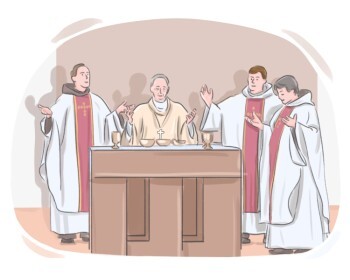
a formal or ceremonial act, procedure, or ritual, often associated with religious practices
rite, ceremonie
Deelnemers aan de pelgrimstocht observeerden oude rituelen op de heilige plaats, op zoek naar spirituele verlichting.

a place of worship, used by Muslims
moskee, islamitische gebedsplaats
De moskee verwelkomde bezoekers van alle geloofsovertuigingen om te leren over de islam en zijn praktijken.
the collective body of people officially ordained or appointed as religious leaders
geestelijkheid
a man who belongs to a religious community and usually lives in a monastery
monnik, kloosterling
a follower or student who adheres to the teachings and practices of a particular leader, teacher, or philosophy
leerling, volgeling
Ze werd een volgeling van mindfulness, waarbij ze dagelijks meditatie en mindfulness-technieken beoefende.
a distinct branch or or subgroup within a larger religious tradition, characterized by specific beliefs, practices, and organizational structures
geloofsrichting, denominatie
Binnen de islam zijn soennieten en sjiieten de twee belangrijkste denominaties, elk met hun eigen interpretaties van islamitische leringen.
a religious song intended to praise God, especially sung by Christians in congregation
hymne, kerklied
Ze kozen een bekend lied voor de huwelijksceremonie.
the Christian message and teachings of Jesus Christ, especially the message of salvation
evangelie
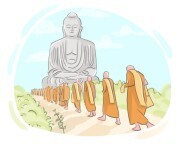
a journey or religious expedition to a sacred place or shrine, typically undertaken for spiritual or religious reasons
bedevaart, religieuze reis
Christenen ondernemen vaak bedevaarten naar Jeruzalem, waarbij ze plaatsen van religieus belang bezoeken die in de Bijbel worden genoemd.
a belief or a belief system held by an authority who proclaims it to be undeniably true and expects immediate acceptance
dogma, geloof
Het dogma van de politieke leider was duidelijk in elk beleidsbesluit dat door de administratie werd genomen.

a brief statement or phrase that represents the guiding beliefs or ideals of an individual, family, or institution
motto, leus
Het motto van de familie, "Eenheid in Verscheidenheid", weerspiegelt hun inzet om verschillen te omarmen en samen te staan.
a formal statement of beliefs or principles, often religious or philosophical in nature
credo, geloofsbelijdenis
In de zakenwereld kan een bedrijf een credo hebben dat zijn kernwaarden en toewijding aan klanttevredenheid weerspiegelt.
the belief that the human spirit or soul can survive after death and communicate with the living
spiritisme, spiritualisme
Hij beoefende spiritualisme om contact te maken met zijn overleden familieleden.
the belief or principle that ideas and actions should be based on logic instead of religion or emotion
rationalisme, het rationalisme
the belief in or pursuit of high principles, values, or ideals, often with a focus on the potential for perfection or improvement
idealisme
Haar idealisme inspireerde velen om te streven naar een betere wereld.
the theory or doctrine that all events and occurrences are completely determined by previously existing causes, therefore human beings cannot be punished or held accountable for their deeds
determinisme, fatalisme
a strict commitment to the core beliefs and teachings of a religion, often accompanied by a literal interpretation of its sacred texts
fundamentalisme, integralisme
Ze bestudeerde de impact van christelijk fundamentalisme op de Amerikaanse politiek.
(in philosophy) the doctrine that knowledge is derived from sensory experience rather than theory or intuition
empirisme, empirisme
De theorie weerspiegelt empirisme in haar nadruk op bewijs uit ervaring.
the conviction that prioritizes self-reliance and personal independence as virtues
individualisme, het individualisme
In zijn geschriften bepleitte hij individualisme als een middel om ware persoonlijke vervulling te bereiken.

the idea or belief that personal well-being and happiness depend on the purchase of material goods
consumentisme, materialisme

the philosophical belief that the spiritual world does not exist and the only thing that exists is physical matter
materialisme, materialistische filosofie
the belief that reality consists of two fundamental and opposing components, such as mind and body or good and evil
dualisme, de leer van het dualisme
Epistemologisch dualisme beweert een fundamenteel onderscheid tussen de gebieden van kennis, waarbij subjectieve ervaringen worden gescheiden van de objectieve werkelijkheid.
a person who believes in or advocates for the principle of equality, especially in regards to social, political, and economic affairs
egalitair, voorstander van gelijkheid
Hij identificeerde zich als een egalitarist en werkte onvermoeibaar om eerlijke lonen voor alle werknemers te bevorderen.
someone who supports the theory that actions are morally right if they maximize happiness or pleasure and morally wrong if they cause unhappiness or pain, regardless of other outcomes
utilist
De utilisten beweerden dat de moraliteit van een actie moet worden beoordeeld aan de hand van de gevolgen ervan voor het welzijn van individuen.
an individual who is against war and violence as a way to settle disagreements or conflicts
pacifist
De groep pacifisten protesteerde tegen de beslissing van de regering om de militaire uitgaven te verhogen.
a person who is fanatically committed to a cause, ideology, or belief, often with uncompromising intensity and willingness to act aggressively in its defense
fanaat, ijveraar
Ze was een fanaticus voor dierenrechten en weigerde elk compromis.
a person who holds extreme or unconventional ideas or opinions
radicaal, extremist
a person who advocates for the complete elimination of something
abolitionist, voorstander van afschaffing
Frederick Douglass kwam naar voren als een prominente abolitionist en redenaar tegen slavernij in de Verenigde Staten.
holding or promoting extreme opinions in politics, religion, etc.
extremistisch
De extremistische factie binnen de partij drong aan op drastische maatregelen tegen politieke tegenstanders.
someone who is killed because of their beliefs
martelaar, martelares
De dood van de martelaar inspireerde velen om de zaak voort te zetten.
a prayer asking for divine blessing, protection, or guidance
zegen, zegeningsgebed
De zegen markeerde het einde van de huwelijksgeloften.
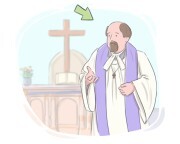
to fulfill a role in religious service or guidance, providing support and leadership within a community
dienen, prediken

to initiate into a religious faith by immersing in or sprinkling with water
dopen, onderdompelen in water
De ouders keken vrolijk toe terwijl hun kind werd gedoopt tijdens de kerkceremonie.
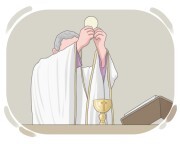
to make something sacred through religious rituals
wijden, heiligen
De religieuze gemeenschap kwam bijeen om de grond voor de bouw van een nieuwe tempel te wijden.
connected with God or a god, and considered holy or deeply respected in religious contexts
heilig, gewijde
De Koran is een heilige tekst in de islam, die wordt beschouwd als het woord van God.

not concerned or connected with religion
seculier, werelds
Zij identificeert zich als seculier, en geeft er de voorkeur aan het leven te benaderen zonder te vertrouwen op religieuze overtuigingen.

a person believing in a religion that worships many deities, especially one that existed before the major world religions
heiden, polytheïst
De heiden vierde de zonnewende met een ceremonie ter ere van de zon.
