pattern

Street Talk 1 本 - レッスン7

Street Talk 1 レッスン7で取り上げられている語彙、くだけた表現、会話英語を学びましょう。

レビュー

フラッシュカード

語形

綴り

クイズ

学習を開始
Street Talk 1
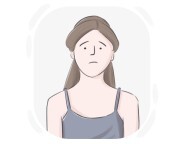
basket case
basket case
[名詞]

a person who is always nervous or stressed and is therefore unable to have a calm and organized life

常に不安定な人, 不安定

常に不安定な人, 不安定

Ex: Ever since the accident, he's been a complete basket case. 

事故以来、彼は常に不安定な人になっている。

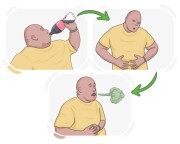
to belch
to belch
[動詞]

to expel gas audibly from the stomach through the mouth

げっぷする, おくびを出す

げっぷする, おくびを出す

Ex: Excuse me, I need to belch; the carbonated drink caused some gas. 

すみません、げっぷをする必要があります;炭酸飲料がガスを引き起こしました。

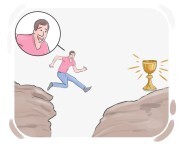
to [bend|lean] over backward

to put in an extreme or great amount of effort to do something

必死に尽くす, できる限りのことをする

必死に尽くす, できる限りのことをする

Ex: She bent over backward to make the guests feel welcome. 
to check out
to check out
[動詞]

to closely examine to see if someone is suitable or something is true

詳しく調べる, 真実か適切かを確認する

詳しく調べる, 真実か適切かを確認する

Ex: The manager asked me to check these reports out thoroughly. 

マネージャーは私にこれらのレポートを徹底的にチェックするよう頼みました。

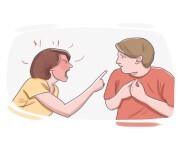
to [drive] {sb} up the wall

to make someone extremely angry

人をイライラさせる, 人を怒らせる

人をイライラさせる, 人を怒らせる

Ex: His constant complaining drives me up the wall. 

彼の絶え間ない文句には本当にイライラする。

to drop in
to drop in
[動詞]

to visit a place or someone without a prior arrangement, often casually and briefly

予告なしに立ち寄る, 短時間気軽に訪ねる

予告なしに立ち寄る, 短時間気軽に訪ねる

Ex: If you're in the area, feel free to drop in for a cup of tea. 

この地域にいらっしゃるなら、お茶を飲みにお立ち寄りください。

to [eat] {sb} out of house and home

to eat so much of food available in someone's house so that there is little or none left

家中の食べ物を食べ尽くす, 冷蔵庫を空にするほど食べる

家中の食べ物を食べ尽くす, 冷蔵庫を空にするほど食べる

Ex: My teenage nephews stayed for a week and ate me out of house and home. 

10代の甥たちが一週間泊まって、家中の食べ物を食べ尽くした。

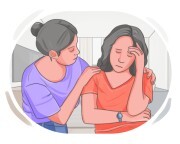
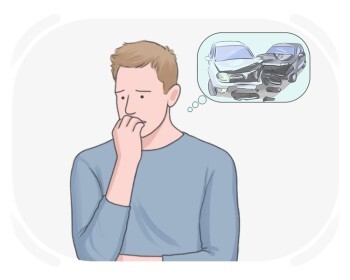
to fall apart

to experience a mental breakdown

崩れる, 壊れる

崩れる, 壊れる

Ex: After the traumatic event, she began to fall apart emotionally, struggling to cope with the aftermath. 

トラウマ的な出来事の後、彼女は感情的には崩れ始め、その後の影響に対処するのに苦労しました。
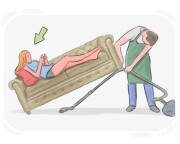
freeloader
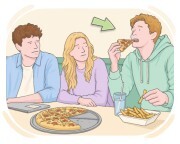
freeloader
[名詞]

a person who habitually takes advantage of others' generosity without offering anything in return

たかり屋, 寄生人間

たかり屋, 寄生人間

Ex: She's tired of being taken advantage of by that freeloader who never contributes anything. 
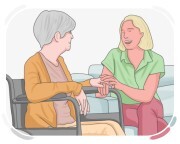
to [give] {sb} a hand

to offer help to someone with a task or problem

Ex: Can you give me a hand with carrying these groceries? 
to handle
to handle
[動詞]

to manage or address a person, situation, or issue in a particular manner

扱う, 対処する

扱う, 対処する

Ex: He handled the negotiation aggressively, securing a better deal. 
to [hit] the road

to leave a location, usually to embark on a journey or trip

出発する, 旅に出る

出発する, 旅に出る

Ex: We should hit the road before traffic gets bad. 

渋滞がひどくなる前に出発したほうがいい。

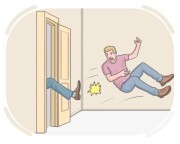
to kick out
to kick out
[動詞]

to forcefully make someone leave a place or residence

追い出す, 立ち退かせる

追い出す, 立ち退かせる

Ex: The landlord is threatening to kick out the tenants if they don't pay their rent. 

家主は、家賃を払わないとテナントを追い出すと脅しています。

to [treat|handle] {sb/sth} with kid gloves

to be specially careful, gentle, or considerate when dealing with someone or something

慎重に扱う, 腫れ物に触るように扱う

慎重に扱う, 腫れ物に触るように扱う

Ex: The manager handled the nervous client with kid gloves. 

マネージャーは不安そうな顧客を慎重に扱った。

to [lift|raise] a finger

to make a minimal effort to do something, particularly in order to help someone

少しでも手を貸す, ほんの少しでも動く

少しでも手を貸す, ほんの少しでも動く

Ex: He watched us carry the boxes and didn't lift a finger to help. 

彼は私たちが箱を運ぶのを見ているだけで、少しも手を貸さなかった。

to [have] it made in the shade

to be in a very good position and be living a luxurious life

何不自由ない暮らしをする, 安泰に暮らす

何不自由ない暮らしをする, 安泰に暮らす

Ex: With that inheritance, he has it made in the shade. 

その遺産があれば、彼は何不自由なく暮らせる。

to put up
to put up
[動詞]

to provide housing or accommodation for someone

泊める, 宿を提供する

泊める, 宿を提供する

Ex: They put up their friends for a few nights during their visit. 

彼らは訪問中、数晩友達を泊めた。

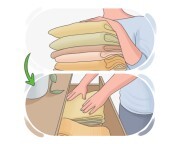
to put away
to put away
[動詞]

to place something where it should be after using it

使用後に物を所定の場所へ戻す, 物を片づけて適切な場所にしまう

使用後に物を所定の場所へ戻す, 物を片づけて適切な場所にしまう

Ex: The decorations were boxed up and put away for next year. 

飾りは箱に入れられ、来年に向けて片付けられました。

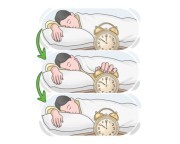
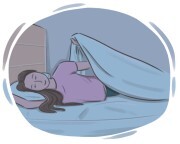
to sleep in
to sleep in
[動詞]

to stay in bed and sleep for a longer period than one typically would, especially in the morning

朝いつもより長く寝る, 朝いつもより遅く目を覚ます

朝いつもより長く寝る, 朝いつもより遅く目を覚ます

Ex: I like to sleep in on weekends and enjoy a leisurely morning. 

週末は寝坊するのが好きで、のんびりした朝を楽しみます。

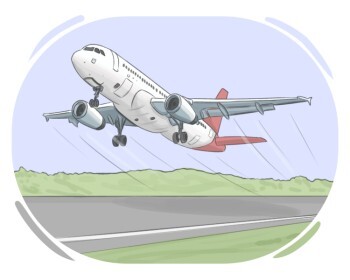
to take off
to take off
[動詞]

to leave a surface and begin flying

離陸する, 地面を離れて飛び始める

離陸する, 地面を離れて飛び始める

Ex: The airplane is ready to take off from the runway. 

飛行機は滑走路から離陸する準備ができています。

tube
tube
[名詞]

an electronic device in which electrodes are enclosed in an evacuated glass or metal container

真空管,  電子管
真空管, 電子管

Ex: The old radio uses several vacuum tubes. 
to turn in
to turn in
[動詞]

to get ready for sleep

寝る, 就寝する

寝る, 就寝する

Ex: The travelers turned in early to catch an early morning flight. 

旅行者たちは早朝の便に乗るために早く寝ました。

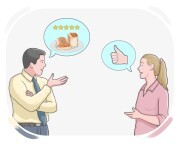
white lie
white lie
[名詞]

a small lie that does not cause any harm, especially told to avoid making someone upset

優しい嘘, 罪のない嘘

優しい嘘, 罪のない嘘

Ex: I told a white lie and said the soup was delicious. 

私は優しい嘘をついて、そのスープはおいしかったと言った。

you can say that again

used to express one's complete agreement with someone's statement

まったくその通り, 本当にそうだね

まったくその通り, 本当にそうだね

Ex: This traffic is awful.  You can say that again. 

この渋滞はひどいね。まったくその通り。

bottomless pit

a person who eats constantly, seemingly without ever getting full, or someone with an insatiable appetite

底なしの穴, 満たされない胃

底なしの穴, 満たされない胃

Ex: Every time we go to a buffet, he’s like a bottomless pit, eating everything in sight. 

ビュッフェに行くたびに、彼は底なしの穴のようで、目に入るものをすべて食べてしまいます。
hey
hey
[間投詞]

used as an informal greeting

やあ,  ねえ

やあ, ねえ

Ex: Hey, Emma!  How have you been? 
to [raid] the fridge

to search through the refrigerator, usually late at night or when hungry, often eating snacks or leftovers impulsively

Ex: He always raids the fridge after coming home from work. 
to [stay] up all (hours of the|) night

to remain awake very late into the night, often until early morning, usually due to work, entertainment, or insomnia

Ex: He stays up all hours of the night playing video games. 
to [give] {sb} a black eye

to physically hit someone in the eye, causing visible bruising

Ex: He got into a fight and gave the other guy a black eye. 
blue blazes
blue blazes
[間投詞]

used to express surprise, annoyance, or intensity

ちくしょう! そんなの見てなかった。, しまった! そんなの予想外だった。

ちくしょう! そんなの見てなかった。, しまった! そんなの予想外だった。

Ex: Blue blazes!  I didn’t see that coming. 

なんてこった! それは予想外だった。

beet red
beet red
[形容詞]

extremely red in the face, usually due to embarrassment, anger, or exertion

ビートのように赤い, 真っ赤

ビートのように赤い, 真っ赤

Ex: He turned beet red when the teacher caught him daydreaming in class. 

先生に授業中に空想しているところを捕まえられた時、彼は真っ赤になった。

red cent
red cent
[名詞]

something of no value or significance, often used to express disdain or disregard

赤いセント, 一文

赤いセント, 一文

Ex: His promises aren’t worth a red cent. 

彼の約束は赤いセントの価値もない。

(as|) white as a (ghost|sheet)

used to refer to someone who looks unnaturally pale, often as a result of fear or illness

幽霊みたいに真っ青, 顔面蒼白

幽霊みたいに真っ青, 顔面蒼白

Ex: She turned white as a ghost after hearing the bad news. 

悪い知らせを聞いて、彼女は幽霊みたいに真っ青になった。

white-knuckle
white-knuckle
[形容詞]

used to describe something intense, thrilling, or nerve-wracking, often causing fear or excitement

息をのむような, スリリングな

息をのむような, スリリングな

Ex: The white-knuckle ride left us all breathless. 

スリリングな乗り物は私たち全員を息をのませた。

to [see] the whites of {one's} eyes

to observe someone’s emotions, such as fear or determination, especially when their expression is extreme or evident in their eyes

Ex: When the teacher announced the surprise test, I saw the whites of my classmates' eyes widen in shock. 
LanGeek
LanGeekアプリをダウンロード