
pattern

健康と病気 - 健康と病気の記述

ここでは、「慢性」、「炎症性」、「ウイルス性」など、健康と病気の説明に関連するいくつかの英語の単語を学びます。

レビュー

フラッシュカード

綴り

クイズ

学習を開始
Words Related to Health and Sickness
autoimmune
autoimmune
[形容詞]

relating to a condition where the body's immune system mistakenly attacks its own cells, tissues, or organs

自己免疫

自己免疫

Ex: In autoimmune diseases, the body attacks itself. 

自己免疫疾患では、体が自分自身を攻撃します。

communicable
communicable
[形容詞]

related to diseases that can be transmitted from one person to another through direct or indirect means

伝染性の, 感染性の

伝染性の, 感染性の

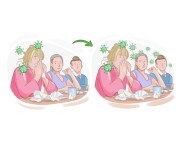
Ex: The flu is a communicable disease that spreads through respiratory droplets. 

インフルエンザは呼吸器飛沫を通じて広がる伝染性の病気です。

chronic
chronic
[形容詞]

(of an illness) difficult to cure and long-lasting

慢性的な, 長期にわたる

慢性的な, 長期にわたる

Ex: Mary's chronic asthma requires daily medication to control her symptoms. 

メアリーの慢性喘息は、症状をコントロールするために毎日の投薬が必要です。

catching
catching
[形容詞]

(of disease or illness) likely to be transmitted from one person to another

伝染性の、感染性の

伝染性の、感染性の

benign
benign
[形容詞]

(of an ilness) not fatal or harmful

良性の

良性の

Ex: She received the news that her condition was benign, bringing relief to her and her family. 

彼女は自分の状態が良性であるという知らせを受け、彼女と家族に安堵をもたらしました。

autistic
autistic
[形容詞]

having autism spectrum disorder, a developmental condition that affects social interaction, communication, and behavior

自閉症の, 自閉症スペクトラム障害を持つ

自閉症の, 自閉症スペクトラム障害を持つ

Ex: The autistic child thrives in a structured environment with clear routines. 

自閉症の子供は、明確なルーティンを持つ構造化された環境で成長します。

asymptomatic
asymptomatic
[形容詞]

(of a disease) not showing any symptoms associated with it

無症状の

無症状の

Ex: Regular testing is essential to identify asymptomatic cases and prevent the spread of the virus. 

定期的な検査は、無症状の症例を特定し、ウイルスの拡散を防ぐために不可欠です。

congenital
congenital
[形容詞]

having a disease since birth that is not necessarily hereditary

先天性の, 生まれつきの

先天性の, 生まれつきの

Ex: Mary's congenital condition caused her to be born with an extra finger on each hand. 

メアリーの先天性の状態により、彼女はそれぞれの手に余分な指を持って生まれました。
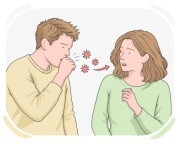
contagious
contagious
[形容詞]

(of a disease) transmittable from one person to another through close contact

伝染性の

伝染性の

Ex: COVID-19 is highly contagious, spreading easily among individuals in crowded places. 
degenerative
degenerative
[形容詞]

characterized by the gradual deterioration or decline of a particular organ, system, or function in the body

変性の,  退行的な

変性の, 退行的な

Ex: Alzheimer's disease is a degenerative disorder leading to memory loss. 

アルツハイマー病は、記憶喪失につながる変性性障害です。

febrile
febrile
[形容詞]

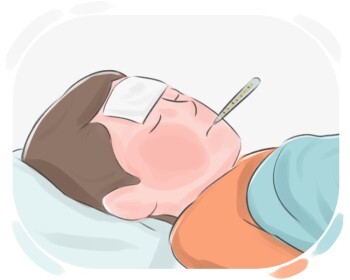
having the symptoms of a fever, such as high temperature, sweating, shivering, etc.

熱のある

熱のある

Ex: His febrile condition left him shivering under multiple blankets. 

彼の熱のある状態は、彼を何枚もの毛布の下で震えさせた。

fulminant
fulminant
[形容詞]

(of an illness) developing suddenly and progresses rapidly, often with severe and intense symptoms

劇症の, 急速進行性の

劇症の, 急速進行性の

Ex: A fulminant infection can lead to rapid and severe deterioration of health. 

劇症感染症は、健康の急速かつ深刻な悪化を引き起こす可能性があります。

incurable
incurable
[形容詞]

(of a disease or a sick person) impossible to cure or unresponsive to treatment

不治の,  治らない

不治の, 治らない

infectious
infectious
[形容詞]

(of a disease or condition) capable of transmitting from one person, organism, or object to another through direct or indirect contact

伝染性の, 感染性の

伝染性の, 感染性の

Ex: Sarah stayed home from work to avoid spreading her infectious cold to her coworkers. 

サラは、風邪を同僚に広めるのを避けるために家にいました。

inflammatory
inflammatory
[形容詞]

causing or involving swelling and irritation of body tissues

炎症性の, プロ炎症性の

炎症性の, プロ炎症性の

Ex: Inflammatory skin disorders like psoriasis and eczema result in redness and itching of the skin. 

乾癬や湿疹などの炎症性皮膚疾患は、皮膚の赤みとかゆみを引き起こします。

malignant
malignant
[形容詞]

(of a tumor or disease) uncontrollable and likely to be fatal

悪性の,  悪性

悪性の, 悪性

Ex: Malignant tumors have the potential to spread to other parts of the body if not treated promptly. 

悪性腫瘍は、すぐに治療しないと体の他の部分に広がる可能性があります。

mentally
mentally
[副詞]

regarding one's mind, mental capacities, or aspects of mental well-being

精神的に, 知的に

精神的に, 知的に

Ex: The chess game challenged him mentally, requiring strategic thinking and concentration. 

チェスのゲームは彼に精神的に挑戦し、戦略的思考と集中力を要求しました。

mild
mild
[形容詞]

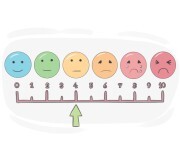
not severe, strong, intense, or extreme in degree or effect

not severe, strong, intense, or extreme in degree or effect

not severe, strong, intense, or extreme in degree or effect

Ex: Emma experienced only mild discomfort after the treatment. 
morbid
morbid
[形容詞]

(of pathology) related to a diseased state or an abnormal condition, especially one that is severe or harmful

病的な, 病理学的な

病的な, 病理学的な

Ex: The autopsy revealed morbid changes in the affected organs. 

剖検により、影響を受けた臓器に病的な変化が明らかになった。

pathological
pathological
[形容詞]

relating to or caused by an illness or disease

病理学的な, 病的な

病理学的な, 病的な

Ex: The doctor observed pathological changes in the patient's organs due to the progression of the disease. 

医師は病気の進行により患者の臓器に病理学的な変化を観察した。

psychosomatic
psychosomatic
[形容詞]

(of a physical illness) caused or aggravated by mental factors, such as stress and anxiety

心身症の, 心理的要因による

心身症の, 心理的要因による

quiescent
quiescent
[形容詞]

(of pathology) relating to a period when a disease is inactive, showing no apparent symptoms or progression

静止した, 潜在的な

静止した, 潜在的な

Ex: Post-treatment, the disease became quiescent with no visible signs. 

治療後、病気は目に見える兆候なしに静止状態になった。

rheumatic
rheumatic
[形容詞]

related to conditions causing inflammation and pain in joints, muscles, or connective tissues

リウマチの, リウマチ関連の

リウマチの, リウマチ関連の

Ex: Support groups provide coping strategies for rheumatic individuals 

サポートグループは、リウマチ性の個人に対処するための戦略を提供します。

terminal
terminal
[形容詞]

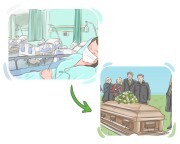
of an illness or disease, incurable and expected to lead to death

末期の

末期の

Ex: Emma was diagnosed with a terminal illness. 
tubercular
tubercular
[形容詞]

relating to or suffering from tuberculosis, a severe and contagious infection that mainly affects one's lungs

結核性の, 結核にかかった

結核性の, 結核にかかった

aggressive
aggressive
[形容詞]

(of sickness or disease) tending to spread in a rapid manner

攻撃的な, 猛烈な

攻撃的な, 猛烈な

Ex: An aggressive strain of the flu virus was causing widespread illness. 

インフルエンザウイルスの攻撃的な株が広範囲にわたる病気を引き起こしていました。

allergic
allergic
[形容詞]

caused by or relating to allergy

アレルギーの, 敏感な

アレルギーの, 敏感な

Ex: She experienced an allergic reaction after eating peanuts, resulting in hives and swelling. 

彼女はピーナッツを食べた後、アレルギー反応を経験し、じんましんと腫れを引き起こしました。

anemic
anemic
[形容詞]

relating to a health condition where a person has a lower than normal number of red blood cells, causing fatigue and weakness

貧血の

貧血の

Ex: She felt constantly fatigued and weak due to being anemic, with her doctor recommending iron supplements to boost her red blood cell count. 

彼女は貧血のため常に疲労感と弱さを感じており、医師は赤血球数を増やすために鉄剤を勧めました。

asthmatic
asthmatic
[形容詞]

related to a condition or sound characterized by audible wheezing or whistling during breathing, typically caused by narrowed airways

喘息の, 喘息に関連する

喘息の, 喘息に関連する

Ex: The child exhibited asthmatic breathing with a noticeable whistling sound. 

その子は、目立つ笛のような音を伴う喘息性の呼吸を示した。

diabetic
diabetic
[形容詞]

relating to a medical condition characterized by an impaired ability to regulate blood sugar levels

糖尿病の

糖尿病の

Ex: Diabetic education programs provide valuable information on self-care practices and lifestyle adjustments. 

糖尿病教育プログラムは、セルフケアの実践とライフスタイルの調整に関する貴重な情報を提供します。
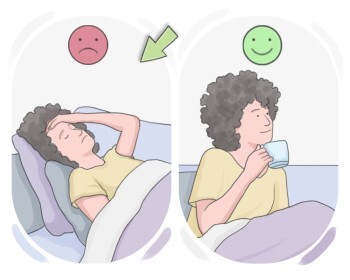
diseased
diseased
[形容詞]

affected by a disease

病気の, 病気に冒された

病気の, 病気に冒された

Ex: The diseased plants showed signs of wilting and discoloration due to a fungal infection. 

病気にかかった植物は、真菌感染によりしおれや変色の兆候を示しました。

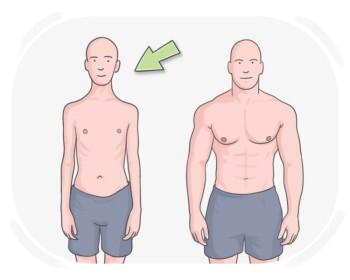
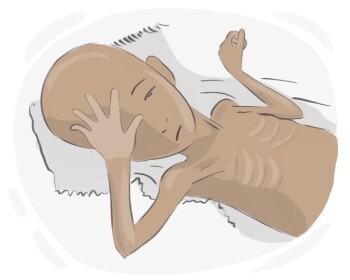
emaciated
emaciated
[形容詞]

extremely thin and weak, often because of illness or a severe lack of food

やせ衰えた, 衰弱した

やせ衰えた, 衰弱した

Ex: The refugees were found in an emaciated state after weeks without food or water. 

難民たちは、何週間も食べ物や水なしで過ごした後、やせ衰えた状態で発見されました。

life-limiting
life-limiting
[形容詞]

relating to an incurable chronic illness or a medical condition that will eventually lead to patient's death

生命を制限する, 致命的な結果をもたらす

生命を制限する, 致命的な結果をもたらす

malarial
malarial
[形容詞]

related to or infected by malaria, a chronic disease that is caused by the bite of specific types of mosquito

マラリアの, マラリアに関連する

マラリアの, マラリアに関連する

nauseous
nauseous
[形容詞]

inducing the urge to vomit

吐き気を催させる, むかつく

吐き気を催させる, むかつく

Ex: The strong smell of rotten eggs is nauseous and can trigger vomiting. 

腐った卵の強い臭いは吐き気を催させるもので、嘔吐を引き起こす可能性があります。
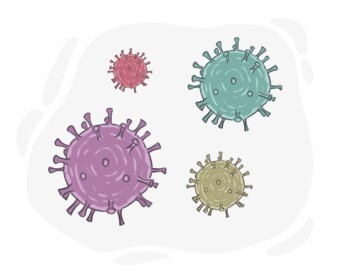
viral
viral
[形容詞]

caused by or related to a virus

ウイルス性の, ウイルスによる

ウイルス性の, ウイルスによる

Ex: He was diagnosed with a viral infection that kept him bedridden for several days. 

彼はウイルス性の感染症と診断され、数日間寝込んでいました。

virulent
virulent
[形容詞]

(of a disease) able to make one sick

毒性の強い

毒性の強い

Ex: The outbreak was caused by a virulent strain of the flu virus. 

その発生は、インフルエンザウイルスの強力な株によって引き起こされました。

notifiable
notifiable
[形容詞]

(of a disease or a crime) so chronic or serious that requires official notification and must be reported to the appropriate authorities

届出が必要な, 通知義務のある

届出が必要な, 通知義務のある

peaky
peaky
[形容詞]

looking pale or sickly

青白い, 病弱そうな

青白い, 病弱そうな

Ex: Despite her usual vibrant demeanor, Sarah looked peaky after staying up all night studying for exams. 

彼女のいつもの活気ある態度にもかかわらず、サラは試験のために一晩中勉強した後で青白く見えた。

celiac
celiac
[形容詞]

affected by or belonging to celiac disease, a serious autoimmune disease and a digestive disorder that is triggered by eating foods that contain gluten

セリアック, セリアック病に影響を受けた

セリアック, セリアック病に影響を受けた

symptomatic
symptomatic
[形容詞]

displaying signs typical of a particular disease or medical condition

症状のある, 特徴的な

症状のある, 特徴的な

Ex: The patient was symptomatic, presenting a high fever and rash. 

患者は症状を示しており、高熱と発疹を呈していた。

wasted
wasted
[形容詞]

weak and thin, especially as a result of old age or an illness

やせ衰えた, 弱々しい

やせ衰えた, 弱々しい

undernourished
undernourished
[形容詞]

not adequately fed or nourished therefore in bad health

栄養不足の,  十分に栄養を与えられていない

栄養不足の, 十分に栄養を与えられていない

unfit
unfit
[形容詞]

lacking the necessary qualities, skills, or mental health to perform a task

不向き, 不適格

不向き, 不適格

Ex: He was deemed unfit for the leadership role due to his lack of experience. 

経験不足のため、彼はリーダーシップの役割に不適格と見なされました。

unhealthy
unhealthy
[形容詞]

not having a good physical or mental condition

不健康な, 病的な

不健康な, 病的な

Ex: From his unhealthy appearance, it was clear that Tom had been skipping meals frequently. 

彼の不健康な外見から、トムが頻繁に食事を抜いていたことは明らかだった。

weak
weak
[形容詞]

structurally fragile or lacking durability

弱い, 脆弱な

弱い, 脆弱な

Ex: He pointed to a weak section in the wall that needed reinforcement. 
rundown
rundown
[形容詞]

feeling or looking exhausted, particularly after an intense physical activity

疲れ果てた, くたくた

疲れ果てた, くたくた

Ex: After weeks of working late, she felt completely run-down and needed a break. 

何週間も遅くまで働いた後、彼女は完全に疲れ果てたと感じ、休憩が必要でした。

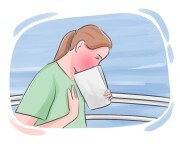
seasick
seasick
[形容詞]

feeling sick or nauseous due to the motion of the ship or boat one is traveling with

船酔い, 船の動きで気分が悪い

船酔い, 船の動きで気分が悪い

Ex: She felt seasick soon after the boat left the harbor. 

ボートが港を出てすぐに、彼女は船酔いを感じた。

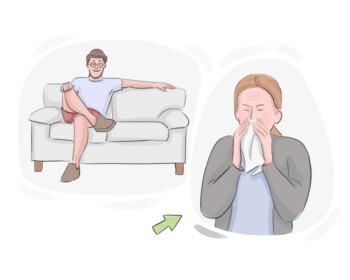
sick
sick
[形容詞]

not in a good and healthy physical or mental state

病気の, 吐き気がする

病気の, 吐き気がする

Ex: She stayed home because she is sick. 
splitting
splitting
[形容詞]

(of a headache) severe or massive

激しい, 大規模な

激しい, 大規模な

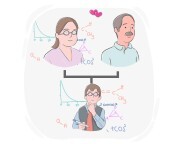
hereditary
hereditary
[形容詞]

(of a disease or characteristic) able to be passed on to a child through the genes of its parents

遺伝性の, 遺伝的に伝達可能な

遺伝性の, 遺伝的に伝達可能な

Ex: Hereditary traits, like eye color, are passed down from parents to their children. 

目の色のような遺伝的な特徴は、親から子へと受け継がれます。

genetic
genetic
[形容詞]

(of diseases) passed on from one's parents

遺伝的な

遺伝的な

anorexic
anorexic
[形容詞]

having anorexia nervosa, an eating disorder characterized by extreme restriction of food intake

拒食症の, 拒食症を患っている

拒食症の, 拒食症を患っている

Ex: The patient was severely anorexic and required hospitalization. 

患者は重度の拒食症であり、入院が必要でした。

pinched
pinched
[形容詞]

extremely emaciated, particularly due to illness, lack of food, or exposure to cold

やせ衰えた, 衰弱した

やせ衰えた, 衰弱した

sea legs
sea legs
[名詞]

an individual's ability to walk without stumbling and resist getting seasick while on a moving ship

海の足, 海に慣れること

海の足, 海に慣れること

Ex: The young boy was scared of the rocking boat at first, but his grandfather helped him find his sea legs and they spent the day fishing together. 

その少年は最初揺れるボートを怖がっていたが、祖父が彼の船酔いしない足を見つけるのを助け、彼らは一緒に釣りをして一日を過ごした。

LanGeek
LanGeekアプリをダウンロード