pattern

Vocabular Esențial pentru TOEFL - Sănătate și Medicină

Aici vei învăța câteva cuvinte în engleză despre sănătate și medicină, cum ar fi "reînvia", "vindeca", "tratament", etc., care sunt necesare pentru examenul TOEFL.

Revizuire

Fișe de studiu

forme

Ortografie

Chestionar
Începe să înveți
Essential Words Needed for TOEFL
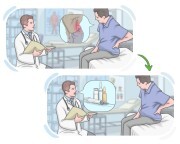
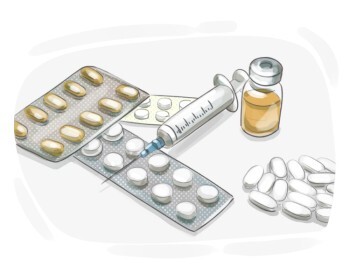
treatment
treatment
[substantiv]

an action that is done to relieve pain or cure a disease, wound, etc.

tratament
tratament

Ex: After the accident, he underwent extensive treatment to recover from his injuries and regain mobility. 

După accident, a suferit un tratament extins pentru a se recupera de la rănile sale și a-și recâștiga mobilitatea.

Închide
Conectare
medicine
medicine
[substantiv]

a substance that treats injuries or illnesses

medicament, medicină

medicament, medicină

Ex: The doctor prescribed medicine for her cough. 

Medicul i-a prescris medicamente pentru tuse.

Închide
Conectare
medication
medication
[substantiv]

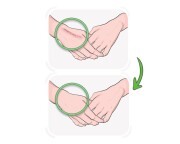
something that we take to prevent or treat a disease, or to feel less pain

medicament, tratament

medicament, tratament

Ex: He always keeps his asthma medication in his backpack. 

El păstrează întotdeauna medicația pentru astm în rucsac.
Închide
Conectare
to heal
to heal
[verb]

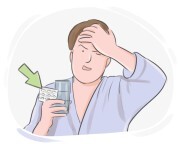
to become healthy again

a vindeca, a se cicatriza

a vindeca, a se cicatriza

Ex: Over time, a wound may heal and gradually close. 

De-a lungul timpului, o rană se poate vindeca și se poate închide treptat.
Închide
Conectare
painkiller
painkiller
[substantiv]

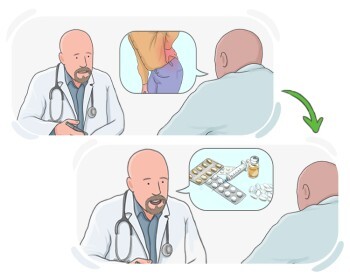
a type of medicine that is used to reduce or relieve pain

analgezic, calmant

analgezic, calmant

Ex: She took a painkiller to help manage her headache after a long day at work. 

A luat un analgezic pentru a o ajuta să-și gestioneze durerea de cap după o zi lungă de muncă.
Închide
Conectare
to cure
to cure
[verb]

to make someone regain their health

vindeca, trata

vindeca, trata

Ex: Antibiotics are often prescribed to cure bacterial infections. 

Antibioticele sunt adesea prescrise pentru a vindeca infecțiile bacteriene.

Închide
Conectare
remedy
remedy
[substantiv]

a treatment or medicine for a disease or to reduce pain that is not severe

remediu

remediu

Ex: She tried various home remedies to alleviate her cold symptoms, including herbal teas and honey. 

A încercat diverse remedii casnice pentru a ameliora simptomele răcelii, inclusiv ceaiuri din plante și miere.

Închide
Conectare
to soothe
to soothe
[verb]

to reduce the severity of a pain

calma, alina

calma, alina

Ex: She used a warm compress to soothe the sore muscles in her neck. 

A folosit o compresă caldă pentru a calma mușchii dureroși din gât.
Închide
Conectare
to revive
to revive
[verb]

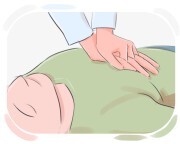
to make a person become conscious again

reanima, readuce la viață

reanima, readuce la viață

Ex: The paramedics administered CPR to revive the unconscious patient. 

Paramedicii au administrat CPR pentru a reanima pacientul inconștient.

Închide
Conectare
to rehabilitate

to help someone to restore to a healthy and independent state after a period of imprisonment, addiction, illness, etc.

reabilita, restabili

reabilita, restabili

Ex: The program aimed to rehabilitate individuals with substance abuse issues, providing support for a drug-free life. 

Programul a avut ca scop reabilitarea persoanelor cu probleme de abuz de substanțe, oferind sprijin pentru o viață fără droguri.

Închide
Conectare
therapy
therapy
[substantiv]

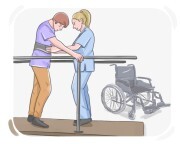
the systematic treatment of a disease, injury, or disorder through medical, rehabilitative, or remedial methods

terapie

terapie

Ex: The physical therapy helped him regain strength and mobility after the injury. 

Terapia fizică l-a ajutat să-și recapete puterea și mobilitatea după accident.

Închide
Conectare
vaccine
vaccine
[substantiv]

a substance, often administered through needle injections, that stimulates the body's immune response against harmful diseases

vaccin

vaccin

Ex: The new vaccine was developed to protect against the flu virus. 

Noul vaccin a fost dezvoltat pentru a proteja împotriva virusului gripal.

Închide
Conectare
vaccination
vaccination
[substantiv]

the process or an act of introducing a vaccine into the body as a precaution against contracting a disease

vaccinare, imunizare

vaccinare, imunizare

Ex: Vaccination has significantly reduced the spread of infectious diseases. 

Vaccinarea a redus semnificativ răspândirea bolilor infecțioase.
Închide
Conectare
quarantine
quarantine
[substantiv]

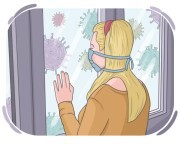
a place or period of separation in which someone or something that is suspicious of carrying a dangerous disease is kept away so that others can be safe

carantină, izolare

carantină, izolare

Închide
Conectare
to isolate

to keep a person or an animal apart to stop a contagious illness from spreading

izola, separa

izola, separa

Ex: The farmer had to isolate the sick cow from the rest of the herd to prevent any potential outbreak. 

Fermierul a trebuit să izoleze vaca bolnavă de restul turmei pentru a preveni orice potențială epidemie.

Închide
Conectare
injection
injection
[substantiv]

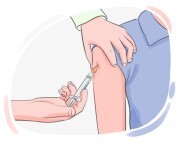
the action of putting a drug into a person's body using a syringe

injecție,  seringă

injecție, seringă

Ex: The nurse administered the flu vaccine with a quick injection into the patient's arm. 

Asistenta a administrat vaccinul antigripal printr-o rapidă injecție în brațul pacientului.

Închide
Conectare
side effect
side effect
[substantiv]

a secondary effect of any drug or medicine, usually an undesirable one

efect secundar

efect secundar

Ex: While the new medication effectively managed her symptoms, she was concerned about the potential side effects, including nausea and fatigue. 

În timp ce noul medicament a gestionat eficient simptomele ei, ea era îngrijorată de potențialele efecte secundare, inclusiv greață și oboseală.
Închide
Conectare
immune
immune
[adjectiv]

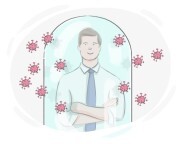
safe from catching a disease or being infected

imun, protejat

imun, protejat

Ex: Vaccinated individuals are often immune to certain diseases due to their body's production of antibodies. 

Persoanele vaccinate sunt adesea imune la anumite boli datorită producerii de anticorpi de către organismul lor.

Închide
Conectare
resistance
resistance
[substantiv]

the ability of a person, organism or microorganism to withstand or defend against diseases, drugs, toxins, or environmental stress

rezistență, imunitate

rezistență, imunitate

Ex: Good nutrition helps maintain the body's resistance to illness. 

O nutriție bună ajută la menținerea rezistenței organismului la boli.

Închide
Conectare
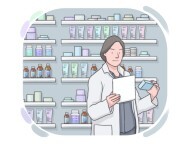
practice
practice
[substantiv]

the professional work or business of a doctor, lawyer, dentist, or other experts providing services to clients or patients

practică, cabinet
practică, cabinet

Ex: The lawyer decided to start her own practice after working for a large firm for several years. 

Avocatul a decis să-și deschidă propriul cabinet după ce a lucrat câțiva ani pentru un mare birou.

Închide
Conectare
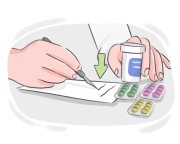
pharmacy
pharmacy
[substantiv]

a shop where medicines are sold

farmacie, drugstore

farmacie, drugstore

Ex: She went to the pharmacy to pick up her prescription and consult the pharmacist about dosage. 

Ea a mers la farmacie să-și ridice rețeta și să consulte farmacistul despre dozaj.
Închide
Conectare
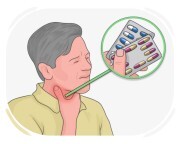
prescription
prescription
[substantiv]

the written instructions of a doctor that allow the patient to get the medicines needed

rețetă
rețetă

Ex: The pharmacist filled the prescription for antibiotics. 

Farmacistul a preparat rețeta pentru antibiotice.

Închide
Conectare
antibiotic
antibiotic
[substantiv]

a medicine that kills or stops the growth of bacteria

antibiotic, medicament antibacterian

antibiotic, medicament antibacterian

Ex: The doctor prescribed an antibiotic for the infection. 

Medicul a prescris un antibiotic pentru infecție.
Închide
Conectare
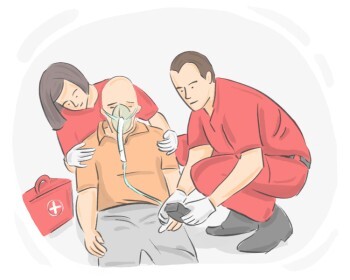
first aid
first aid
[substantiv]

a basic medical treatment given to someone in an emergency before they are taken to the hospital

primul ajutor

primul ajutor

Închide
Conectare
intensive care
intensive care
[substantiv]

special treatment provided for someone who is seriously injured or is extremely ill

îngrijire intensivă

îngrijire intensivă

Închide
Conectare
self-care
self-care
[substantiv]

the action of taking care of oneself by exercising, eating good food, and sleeping well to improve or maintain health

îngrijire de sine, autoîngrijire
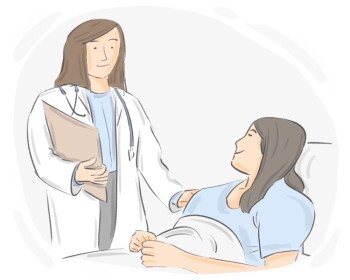
îngrijire de sine, autoîngrijire

Închide
Conectare
recovery
recovery
[substantiv]

the gradual process of healing or regaining strength after illness, injury, or exertion

recuperare, convalescență
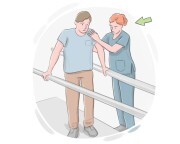
recuperare, convalescență

Ex: He required several weeks of recovery after the operation. 

A avut nevoie de câteva săptămâni de recuperare după operație.

Închide
Conectare
physical therapy
physical therapy
[substantiv]

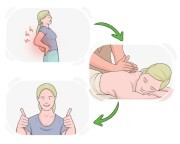
a type of medical treatment that uses physical techniques such as massages, exercises, etc. rather than drugs

fizioterapie,  terapie fizică

fizioterapie, terapie fizică

Închide
Conectare
conventional
conventional
[adjectiv]

relating to treatment of diseases using standard, widely accepted methods of modern medicine, such as drugs, surgery, or established clinical procedures

convențional, clasic

convențional, clasic

Ex: Conventional medicine was used to treat his heart condition. 

Medicina convențională a fost folosită pentru a trata afecțiunea sa cardiacă.

Închide
Conectare
traditional medicine

a type of medical treatment that is primarily based on cultural practices and beliefs from previous generations

medicină tradițională
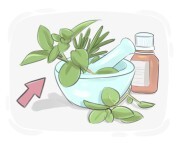
medicină tradițională

Închide
Conectare
alternative medicine

any type of treatment such as herbalism, faith healing, etc. that does not follow the usual methods of Western medicine

medicină alternativă, medicină neconvențională
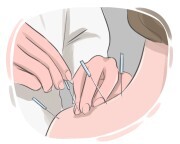
medicină alternativă, medicină neconvențională

Închide
Conectare
acupuncture
acupuncture
[substantiv]

a method of treatment in which thin needles are inserted in specific spots on the body, originated in China

acupunctură, terapie cu ace

acupunctură, terapie cu ace

Ex: She tried acupuncture to relieve her chronic back pain. 

Ea a încercat acupunctura pentru a-și ameliora durerea cronică de spate.

Închide
Conectare
mental health
mental health
[substantiv]

the well-being of a person's mind

sănătate mintală, bunăstare mentală

sănătate mintală, bunăstare mentală

Ex: He attended a workshop on mental health to learn about coping mechanisms and self-care. 

A participat la un atelier despre sănătatea mintală pentru a învăța despre mecanismele de adaptare și îngrijirea de sine.

Închide
Conectare
antidepressant
antidepressant
[substantiv]

a drug that is used to treat people who feel extremely sad and anxious

antidepresiv

antidepresiv

Închide
Conectare
insurance
insurance
[substantiv]

the arrangement with an institute or agency according to which they guarantee to make up for the damages in the event of an accident or loss

asigurare

asigurare

Ex: He decided to purchase car insurance to protect himself against potential accidents. 

A decis să cumpere o asigurare auto pentru a se proteja împotriva potențialelor accidente.

Închide
Conectare
hygiene
hygiene
[substantiv]

the steps one takes to promote health and avoid disease, particularly by cleaning things or being clean

igienă

igienă

Ex: Good personal hygiene includes regular handwashing with soap and water. 

O bună igienă personală include spălarea regulată a mâinilor cu săpun și apă.
Închide
Conectare
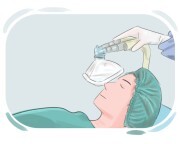
anesthetic
anesthetic
[substantiv]

a type of drug that makes the whole or part of the body unable to feel pain when administered

anestezic

anestezic

Ex: The dentist administered a local anesthetic before starting the procedure to numb the patient's gums. 

Stomatologul a administrat un anestezic local înainte de a începe procedura pentru a amorți gingiile pacientului.

Închide
Conectare
LanGeek
Descarcă aplicația LanGeek