
Essential Vocabulary for TOEFL - Healthcare and Medicine
Here you will learn some English words about healthcare and medicine, such as "revive", "heal", "treatment", etc. that are needed for the TOEFL exam.
Review
Flashcards
Forms
Spelling
Quiz
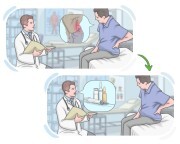
an action that is done to relieve pain or cure a disease, wound, etc.
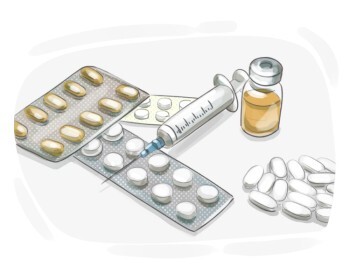
a substance that treats injuries or illnesses
something that we take to prevent or treat a disease, or to feel less pain
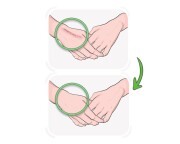
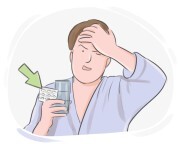
a type of medicine that is used to reduce or relieve pain
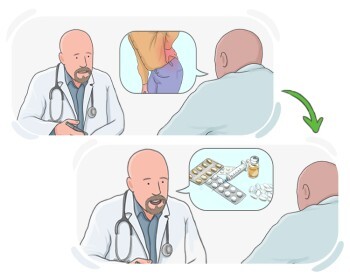
to restore someone to health by ending an illness or medical condition
a medicine or treatment used to cure an illness or relieve pain or other symptoms
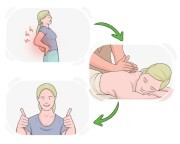
to reduce the severity of a pain
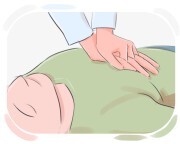
to make an unconscious person become conscious again
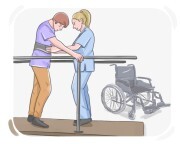
to help someone to restore to a healthy and independent state after a period of imprisonment, addiction, illness, etc.
the treatment of an illness, injury, or disorder using medical, physical, or rehabilitative methods
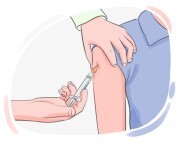
a substance, often administered through needle injections, that stimulates the body's immune response against harmful diseases
the process or an act of introducing a vaccine into the body as a precaution against contracting a disease
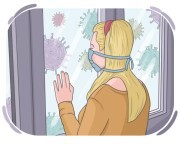
a place or period of separation in which someone or something that is suspicious of carrying a dangerous disease is kept away so that others can be safe

to keep a person or animal apart from others to prevent an infectious disease from spreading
the act of introducing a drug or other substance into the body using a needle and syringe
a secondary effect of any drug or medicine, usually an undesirable one
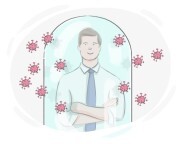
safe from catching a disease or being infected
the ability of a person, organism or microorganism to withstand or defend against diseases, drugs, toxins, or environmental stress
the professional work or business of a doctor, lawyer, dentist, or other experts providing services to clients or patients
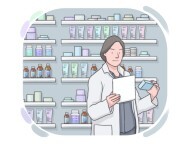
a shop where medicines are sold
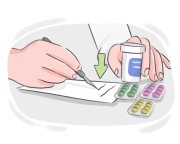
the written instructions of a doctor that allow the patient to get the medicines needed
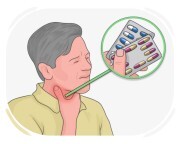
a medicine that kills or stops the growth of bacteria
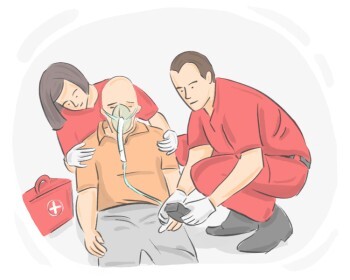
a basic medical treatment given to someone in an emergency before they are taken to the hospital
special treatment provided for someone who is seriously injured or is extremely ill
the action of taking care of oneself by exercising, eating good food, and sleeping well to improve or maintain health
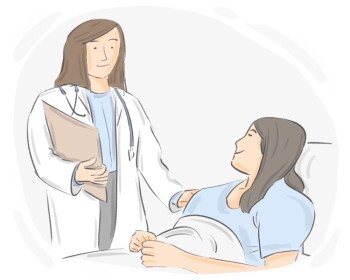
the gradual process of healing or regaining strength after illness, injury, or exertion
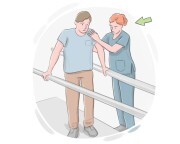
a type of medical treatment that uses physical techniques such as massages, exercises, etc. rather than drugs
relating to treatment of diseases using standard, widely accepted methods of modern medicine, such as drugs, surgery, or established clinical procedures
a type of medical treatment that is primarily based on cultural practices and beliefs from previous generations
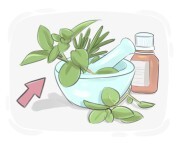
any type of treatment such as herbalism, faith healing, etc. that does not follow the usual methods of Western medicine
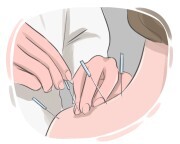
a method of treatment in which thin needles are inserted in specific spots on the body, originated in China

the well-being of a person's mind

the arrangement with an institute or agency according to which they guarantee to make up for the damages in the event of an accident or loss
the steps one takes to promote health and avoid disease, particularly by cleaning things or being clean
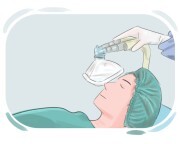
a type of drug that makes the whole or part of the body unable to feel pain when administered
