
Необходимый Словарный Запас для TOEFL - Здравоохранение и медицина
Здесь вы выучите некоторые английские слова о здравоохранении и медицине, такие как "оживлять", "лечить", "лечение" и т.д., которые необходимы для экзамена TOEFL.
Обзор
Флэш-карточки
формы
Правописание
Тест

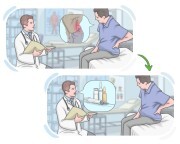
an action that is done to relieve pain or cure a disease, wound, etc.

лечение
После аварии он прошел обширное лечение, чтобы оправиться от травм и восстановить подвижность.
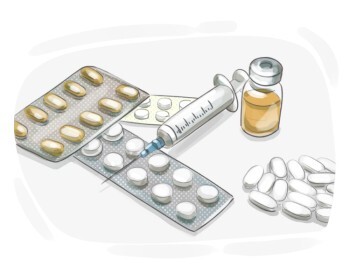
a substance that treats injuries or illnesses
медицина
Врач прописал лекарство от кашля.
something that we take to prevent or treat a disease, or to feel less pain
лекарство
Он всегда держит свои лекарства от астмы в рюкзаке.
to become healthy again
заживать
Со временем рана может зажить и постепенно закрыться.
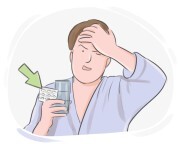
a type of medicine that is used to reduce or relieve pain
болеутоляющий
Она приняла обезболивающее, чтобы справиться с головной болью после долгого рабочего дня.
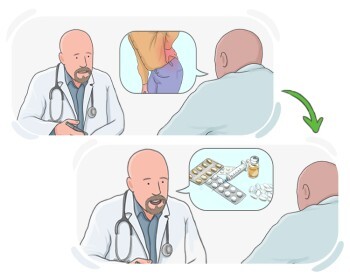
to make someone regain their health
вылечивать
Антибиотики часто назначают для лечения бактериальных инфекций.
a treatment or medicine for a disease or to reduce pain that is not severe
средство
Она попробовала различные домашние средства, чтобы облегчить симптомы простуды, включая травяные чаи и мед.
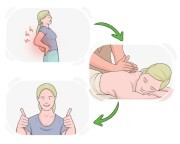
to reduce the severity of a pain
успокаивать
Она использовала теплый компресс, чтобы успокоить больные мышцы шеи.
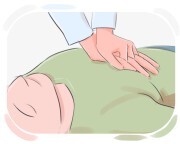
to make a person become conscious again
оживить
Парамедики провели СЛР, чтобы оживить пациента без сознания.
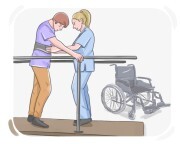
to help someone to restore to a healthy and independent state after a period of imprisonment, addiction, illness, etc.
реабилитировать
Программа была направлена на реабилитацию лиц с проблемами злоупотребления психоактивными веществами, обеспечивая поддержку для жизни без наркотиков.
the systematic treatment of a disease, injury, or disorder through medical, rehabilitative, or remedial methods
лечение
Физическая терапия помогла ему восстановить силу и подвижность после травмы.
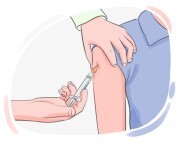
a substance, often administered through needle injections, that stimulates the body's immune response against harmful diseases
вакцина
Новая вакцина была разработана для защиты от вируса гриппа.
the process or an act of introducing a vaccine into the body as a precaution against contracting a disease
вакцинация
Вакцинация значительно сократила распространение инфекционных заболеваний.
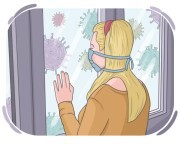
a place or period of separation in which someone or something that is suspicious of carrying a dangerous disease is kept away so that others can be safe
карантин

to keep a person or an animal apart to stop a contagious illness from spreading
изолировать
Фермеру пришлось изолировать больную корову от остального стада, чтобы предотвратить возможную вспышку болезни.
the action of putting a drug into a person's body using a syringe
инъекция
Медсестра сделала прививку от гриппа быстрой инъекцией в руку пациента.
a secondary effect of any drug or medicine, usually an undesirable one
побочный эффект
Хотя новое лекарство эффективно справлялось с ее симптомами, она беспокоилась о возможных побочных эффектах, включая тошноту и усталость.
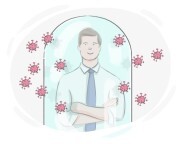
safe from catching a disease or being infected
иммунный
Вакцинированные люди часто иммунны к определенным заболеваниям благодаря выработке антител их организмом.
the ability of a person, organism or microorganism to withstand or defend against diseases, drugs, toxins, or environmental stress
сопротивление
Некоторые растения развили устойчивость к суровым условиям окружающей среды.
the professional work or business of a doctor, lawyer, dentist, or other experts providing services to clients or patients
практика, кабинет
Адвокат решил открыть свою собственную практику после нескольких лет работы в крупной фирме.

a shop where medicines are sold
аптека
Она пошла в аптеку, чтобы забрать свой рецепт и проконсультироваться с фармацевтом о дозировке.
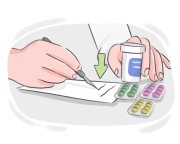
the written instructions of a doctor that allow the patient to get the medicines needed
рецепт
Фармацевт выписал рецепт на антибиотики.
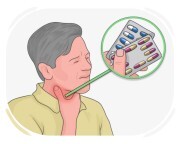
a medicine that kills or stops the growth of bacteria
антибиотик
Врач назначил антибиотик для лечения инфекции.
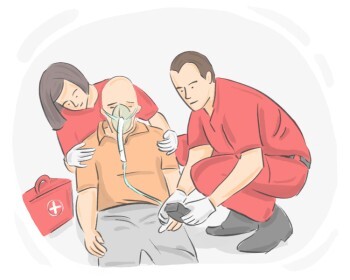
a basic medical treatment given to someone in an emergency before they are taken to the hospital
первая помощь
special treatment provided for someone who is seriously injured or is extremely ill
интенсивная терапия
the action of taking care of oneself by exercising, eating good food, and sleeping well to improve or maintain health
забота о себе
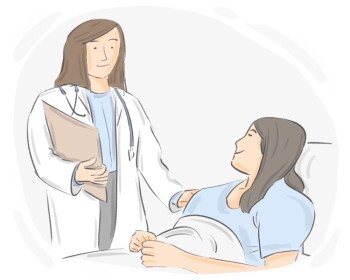
the gradual process of healing or regaining strength after illness, injury, or exertion
выздоровление
Ему потребовалось несколько недель восстановления после операции.
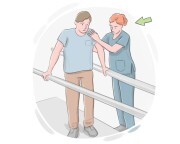
a type of medical treatment that uses physical techniques such as massages, exercises, etc. rather than drugs
физиотерапия
relating to treatment of diseases using standard, widely accepted methods of modern medicine, such as drugs, surgery, or established clinical procedures
традиционный
Обычная медицина использовалась для лечения его сердечного заболевания.
a type of medical treatment that is primarily based on cultural practices and beliefs from previous generations
традиционная медицина

any type of treatment such as herbalism, faith healing, etc. that does not follow the usual methods of Western medicine
альтернативная медицина
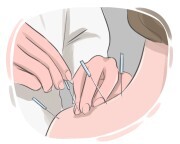
a method of treatment in which thin needles are inserted in specific spots on the body, originated in China
акупунктура
Она попробовала иглоукалывание, чтобы облегчить хроническую боль в спине.

the well-being of a person's mind
психическое здоровье
Он посетил семинар по психическому здоровью, чтобы узнать о механизмах преодоления трудностей и самопомощи.
a drug that is used to treat people who feel extremely sad and anxious
антидепрессант

the arrangement with an institute or agency according to which they guarantee to make up for the damages in the event of an accident or loss
страхование
Он решил приобрести автомобильную страховку, чтобы защитить себя от возможных аварий.
the steps one takes to promote health and avoid disease, particularly by cleaning things or being clean
гигиена
Хорошая личная гигиена включает регулярное мытье рук с мылом и водой.
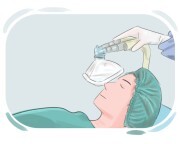
a type of drug that makes the whole or part of the body unable to feel pain when administered
анестетик
Стоматолог ввел местный анестетик перед началом процедуры, чтобы обезболить десны пациента.
