
Необходимый Словарный Запас для GRE - Политика
Здесь вы выучите некоторые английские слова о политике, такие как "двусторонний", "утопия", "коалиция" и т. д., которые необходимы для экзамена GRE.
Обзор
Флэш-карточки
Правописание
Тест


an imaginary state or location where everything is perfect

утопия
Они мечтали создать утопию, где все жили в гармонии.

members of a political party or other organization who have a certain function or share certain views
крыло
Консервативное крыло партии выступило за снижение налогов и дерегулирование.
a political belief with an inclination to keep the traditional values in a society by avoiding changes
консерватизм
Многие избиратели придерживаются консерватизма из-за его акцента на сохранении традиционных ценностей.
the doctrine that the best measure or decision is the one that satisfies the majority of people
утилитаризм
Утилитаризм утверждает, что моральность действия определяется его последствиями, при этом наибольшее благо для наибольшего числа людей является руководящим принципом.
having no interest or involvement in politics
неполитический
Аполитичный характер книжного клуба позволил участникам наслаждаться литературой, не вступая в дебаты о политической принадлежности.
concerning two groups or countries
двусторонний
Две страны подписали двустороннее торговое соглашение.
a system of government that is controlled by officials who are not elected rather employed
бюрократия
В бюрократии чиновники нанимаются на основе их экспертных знаний, а не выбираются путем народного голосования.
to seek or gather opinions by asking questions or conducting a survey
проводить опрос
Они решили опросить район, чтобы получить мнения о новом парке.
a political system that invests all the power and authority on a single prominent organization
централизм
Критики утверждают, что централизм подрывает региональную автономию и местное самоуправление.
a ruler or leader who has absolute power and uses it in a cruel and oppressive way, without any regard for the rights or well-being of others
тиран
Народ восстал против тирана, который десятилетиями правил железной рукой.
an unpredictable vote that belongs to a person or party which has a crucial influence on the results of an election
колебательное голосование
Кандидат рассчитывал на получение решающего голоса, чтобы выиграть выборы.
an unofficial test of opinion that includes a number of people who give their opinion about something or say whether or not they intend to participate in an election
выборочный опрос
Комитет провел неофициальный опрос, чтобы оценить интерес к новому проекту.
senior members of a government who make decisions and control the policy of the government
кабинет
Премьер-министр объявил об изменениях в кабинете, назначив новых министров на ключевые должности.
an alliance between two or more countries or between political parties when forming a government or during elections
коалиция
Коалиционное правительство было сформировано двумя крупными политическими партиями для обеспечения стабильности и консенсуса по ключевым политическим вопросам.
a union or league of political entities or organizations, often for common purposes
конфедерация
Страны-члены конфедерации сохранили автономию.
a group of people in a specific area who elect a representative to a legislative position
избиратели округа
Кандидат пообещал решить проблемы всего своего избирательного округа.
relating to or in accordance with the rules laid out in a constitution, which is a set of fundamental laws for a country or organization
конституционный
Закон, принятый парламентом, был признан конституционным судебной властью.
a politician who appeals to the desires and prejudices of ordinary people instead of valid arguments in order to gain support
демагог
Демагог разжигал эмоции и использовал страхи, чтобы заручиться поддержкой своей политической программы.

to make something uncertain by introducing changes that disrupt its stability
дестабилизировать
Личные конфликты внутри команды могут дестабилизировать её сплочённость.

the job, skill, or act of managing the relationships between different countries
дипломатия
Дипломатия помогла предотвратить войну между двумя нациями.
a person who believes in or advocates for the principle of equality, especially in regards to social, political, and economic affairs
равноправие
Как эгалитарист, она боролась за равные права для всех социальных классов.
the group of people who are eligible to vote in an election
избиратели
Кандидат сделал сильное обращение к электорату во время кампании.
to grant the right of voting to a person or group
давать избирательное право
Новый закон был направлен на предоставление права голоса всем имеющим на это право гражданам.
an overenthusiastic individual, especially one who is devoted to a radical political or religious cause
фанатик
Протест был мирным, пока группа фанатиков не начала выкрикивать радикальные лозунги.
a political system in which a central government controls the affairs of each self-governed state
федерализм
Федерализм позволяет разделить полномочия между национальным правительством и правительствами штатов, способствуя балансу власти.
a social and land-owning system in medieval Europe in which people were granted land and protection by a nobleman in exchange, they had to fight and work for him
феодализм
Феодализм структурировал средневековое общество на отдельные классы с лордами и вассалами.
an area located at a border, where two countries or regions meet
граница
Город расположен прямо на границе, что делает его стратегическим местом для торговли.
the study of how geography influences global political and economic interactions
геополитика
Геополитика сыграла значительную роль в стратегических решениях наций во время холодной войны, с учетом территориальной близости и ресурсов, влияющих на союзы.
a system in which one country controls or has influence over other countries, often by winning wars against them
империализм
Подъем империализма в XIX веке привел к расширению европейских империй.
a formal ceremony at which a person is admitted to office
инаугурация, вступление в должность
Инаугурация нового президента собрала тысячи зрителей на Национальной аллее.
the political practice of only being concerned with one's home country and not getting involved in international affairs
изоляционизм
Страна приняла политику изоляционизма, чтобы избежать иностранных конфликтов.
a political approach advocating the government participation in other nations' affairs or influencing the economy of its own country
интервенционизм
Новая политика ознаменовала сдвиг в сторону большего интервенционизма во внешних делах.
relating to the making and passing of laws by government bodies
законодательный
Законодательная ветвь власти отвечает за предложение, обсуждение и принятие законов.
the political belief that promotes personal freedom, democracy, gradual changes in society, and free trade
либерализм
Либерализм подчеркивает важность индивидуальных прав и свобод, выступая за общество, где люди могут открыто выражать свои взгляды.
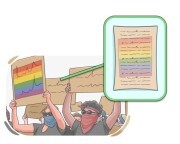
a written public declaration of intentions, opinions, and objectives, often issued by a political party, a government, or a group of individuals with a shared interest or purpose
манифест
Активисты выпустили манифест, чтобы сплотить поддержку своей цели.
the ideology that advocates the unjustifiable nature of war or any other act of violence, and seeks out peace
пацифизм
Её твёрдая вера в пацифизм направила её решение протестовать против военных конфликтов.
a political system in which a small group of high-powered people control a country or organization
олигархия
Олигархия — это форма правления, при которой власть сосредоточена в руках небольшой группы лиц или семей.
strongly against any political or social changes or any new ideas
реакционный
Его реакционные взгляды заставили его выступать против всех современных реформ.
relating to a form of government where the legislature, known as parliament, has significant control over making laws and monitoring the government
парламентский
Парламентская система позволяет сформировать правительство на основе поддержки большинства в законодательном органе.
a type of politics that purports to represent the opinions and desires of ordinary people in order to gain their support
популизм, народничество
Популизм в политике относится к движению или подходу, который стремится представлять интересы и голоса обычных людей, часто противопоставляя себя установленным элитам или институтам.
information and statements that are mostly biased and false and are used to promote a political cause or leader
пропаганда
Режим использовал пропаганду для контроля над повествованием и поддержания общественной поддержки.
| Необходимый Словарный Запас для GRE | |||
|---|---|---|---|
| эмоции | личность | черты характера | Образование |
| Преступление | Закон | Политика | Общество |
| Война | Религия | Компьютеры | Наука |
| Математика | Природа | Космос | Деньги |
