
Từ Vựng Cần Thiết cho GRE - Ngôi nhà bằng bài
Ở đây bạn sẽ học một số từ tiếng Anh về chính trị, như "song phương", "không tưởng", "liên minh", v.v., cần thiết cho kỳ thi GRE.
Xem lại
Thẻ ghi nhớ
Chính tả
Đố vui


an imaginary state or location where everything is perfect

không tưởng, thiên đường tưởng tượng
Trong bài phát biểu của mình, ông đã nói về việc xây dựng một utopia về hòa bình và bình đẳng.
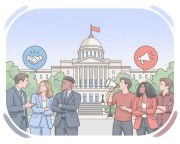
members of a political party or other organization who have a certain function or share certain views
cánh, phe

a political belief with an inclination to keep the traditional values in a society by avoiding changes
chủ nghĩa bảo thủ
Chủ nghĩa bảo thủ thường phản đối sự thay đổi xã hội nhanh chóng và ủng hộ cải cách dần dần.
the doctrine that the best measure or decision is the one that satisfies the majority of people
chủ nghĩa vị lợi, học thuyết về lợi ích
Những người chỉ trích chủ nghĩa vị lợi cho rằng nó có thể dẫn đến những kết quả đáng trách về mặt đạo đức, chẳng hạn như hy sinh quyền lợi hoặc phúc lợi của thiểu số vì lợi ích lớn hơn của đa số.
having no interest or involvement in politics
phi chính trị, không quan tâm đến chính trị
Trung tâm cộng đồng đóng vai trò là một không gian phi chính trị, chào đón mọi người bất kể niềm tin chính trị của họ để tham gia vào các hoạt động giải trí.
concerning two groups or countries
song phương
Các cuộc đàm phán song phương tập trung vào việc cải thiện quan hệ ngoại giao.
a system of government in which administration is carried out by appointed officials
bộ máy quan liêu, nền hành chính quan liêu
to seek or gather opinions by asking questions or conducting a survey
thăm dò ý kiến, khảo sát
Cô ấy thăm dò ý kiến sinh viên để tìm hiểu suy nghĩ của họ về thực đơn mới của căng tin.
a political system that invests all the power and authority on a single prominent organization
chủ nghĩa tập trung, sự tập trung hóa
Những người ủng hộ chủ nghĩa tập trung tin rằng nó nâng cao hiệu quả bằng cách củng cố quyền lực.
a ruler or leader who has absolute power and uses it in a cruel and oppressive way, without any regard for the rights or well-being of others
bạo chúa, kẻ bạo ngược
Các chính sách áp bức của bạo chúa đã để lại quốc gia trong tình trạng sợ hãi và tuyệt vọng.
an unpredictable vote that belongs to a person or party which has a crucial influence on the results of an election
phiếu bầu quyết định, phiếu bầu then chốt
Kết quả kiểm phiếu cuối cùng cho thấy phiếu bầu quyết định đã nghiêng về một bên.
an unofficial test of opinion that includes a number of people who give their opinion about something or say whether or not they intend to participate in an election
cuộc thăm dò ý kiến không chính thức, bỏ phiếu giơ tay
Kết quả của cuộc thăm dò ý kiến không chính thức cho thấy sự ưa chuộng rõ ràng đối với chính sách mới.

senior members of a government who make decisions and control the policy of the government
nội các

an alliance of different groups, political parties, or countries formed to work together for a particular purpose
liên minh, liên danh
a union or league of political entities or organizations, often for common purposes
liên minh, liên bang
Canada được hình thành như một liên bang của các tỉnh.
the people in a particular area who are represented by an elected member of a parliament or legislature
khu vực bầu cử, cử tri
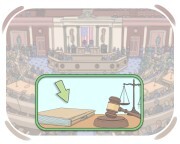
relating to or in accordance with the rules laid out in a constitution, which is a set of fundamental laws for a country or organization
hiến pháp, theo hiến pháp
a politician who appeals to the desires and prejudices of ordinary people instead of valid arguments in order to gain support
kẻ mị dân, người kích động
Lời lẽ của kẻ mị dân gây chia rẽ và kích động, dẫn đến sự phân cực gia tăng trong xã hội.

to make something uncertain by introducing changes that disrupt its stability
làm mất ổn định, gây rối loạn
Biến đổi khí hậu nhanh chóng có thể làm mất ổn định các hệ sinh thái.

the job, skill, or act of managing the relationships between different countries
ngoại giao
Ngoại giao hiệu quả đòi hỏi sự kiên nhẫn, hiểu biết văn hóa và thỏa hiệp.
a person who believes in or advocates for the principle of equality, especially in regards to social, political, and economic affairs
người theo chủ nghĩa bình đẳng, người ủng hộ bình đẳng
Ông tự nhận mình là một người bình đẳng và làm việc không mệt mỏi để thúc đẩy mức lương công bằng cho tất cả người lao động.
the group of people who are eligible to vote in an election
cử tri, khối cử tri
to grant the right of voting to a person or group
giải phóng, trao quyền bầu cử
Sửa đổi hiến pháp đã trao quyền bầu cử cho phụ nữ trên toàn quốc.
an overenthusiastic individual, especially one who is devoted to a radical political or religious cause
người cuồng tín, kẻ cực đoan
Kẻ cuồng tín chính trị đã tổ chức các cuộc biểu tình để ủng hộ quan điểm cực đoan của mình.
a political system in which a central government controls the affairs of each self-governed state
chủ nghĩa liên bang
Các cuộc tranh luận về chủ nghĩa liên bang thường tập trung vào mức độ kiểm soát phù hợp của tiểu bang so với liên bang trong các lĩnh vực chính sách khác nhau.
a social and land-owning system in medieval Europe in which people were granted land and protection by a nobleman in exchange, they had to fight and work for him
chế độ phong kiến, phong kiến
Các nhà sử học thường nghiên cứu chế độ phong kiến để hiểu động lực quyền lực của châu Âu thời trung cổ.
the boundary separating two countries or territories
biên giới, biên thùy
the study of how geography influences global political and economic interactions
địa chính trị
Nghiên cứu về địa chính trị giúp các nhà hoạch định chính sách dự đoán các xung đột tiềm ẩn phát sinh từ tranh chấp lãnh thổ, cạnh tranh tài nguyên hoặc định vị chiến lược.
a system in which one country controls or has influence over other countries, often by winning wars against them
chủ nghĩa đế quốc, chủ nghĩa thực dân
Các chính sách hung hăng của đất nước đã bị chỉ trích như một hình thức chủ nghĩa đế quốc hiện đại.
a formal ceremony at which a person is admitted to office
lễ nhậm chức
Lễ nhậm chức đánh dấu sự khởi đầu của một kỷ nguyên mới, với những lời hứa về sự thay đổi và tiến bộ.
the political practice of only being concerned with one's home country and not getting involved in international affairs
chủ nghĩa biệt lập
Chủ nghĩa biệt lập đã trở thành lập trường nổi bật trong cuộc tranh luận chính trị trong cuộc bầu cử.
a political approach advocating the government participation in other nations' affairs or influencing the economy of its own country
chủ nghĩa can thiệp, chính sách can thiệp
Chủ nghĩa can thiệp của quốc gia đó thể hiện rõ trong việc hỗ trợ các nhóm nổi dậy ở nước ngoài.
relating to the process or power of making and passing laws
the political belief that promotes personal freedom, democracy, gradual changes in society, and free trade
chủ nghĩa tự do, học thuyết tự do
Những người ủng hộ chủ nghĩa tự do thường thúc đẩy cải cách xã hội dần dần để giải quyết bất bình đẳng và nâng cao phúc lợi cho tất cả công dân.
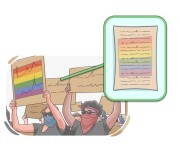
a written public declaration of intentions, opinions, and objectives, often issued by a political party, a government, or a group of individuals with a shared interest or purpose
tuyên ngôn, tuyên bố công khai
Tuyên ngôn của nhóm kêu gọi những thay đổi đáng kể trong chính sách môi trường.
the ideology that advocates the unjustifiable nature of war or any other act of violence, and seeks out peace
chủ nghĩa hòa bình, bất bạo động
Chủ nghĩa hòa bình đã trở thành chủ đề trung tâm trong các tác phẩm của ông về công bằng xã hội và giải quyết xung đột.
a political system in which a small group of high-powered people control a country or organization
chế độ đầu sỏ, sự cai trị của một nhóm nhỏ
Các nhà phê bình cho rằng chế độ đầu sỏ làm suy yếu các nguyên tắc dân chủ bằng cách hạn chế sự tham gia chính trị và duy trì bất bình đẳng.
strongly against any political or social changes or any new ideas
phản động, bảo thủ
Những bình luận phản động của anh ấy trong cuộc tranh luận đã gây sốc cho nhiều người quan sát.
relating to a form of government where the legislature, known as parliament, has significant control over making laws and monitoring the government
nghị viện, liên quan đến nghị viện
Cuộc bầu cử nghị viện quyết định thành phần của cơ quan lập pháp và, gián tiếp, của cơ quan hành pháp.
a type of politics that purports to represent the opinions and desires of ordinary people in order to gain their support
chủ nghĩa dân túy, thủ đoạn mị dân
Chủ nghĩa dân túy có thể biểu hiện ở cả dạng cánh tả và cánh hữu, với những người theo chủ nghĩa dân túy cánh tả thường tập trung vào bất bình đẳng kinh tế và công bằng xã hội, trong khi những người theo chủ nghĩa dân túy cánh hữu thường nhấn mạnh chủ nghĩa dân tộc và kiểm soát nhập cư.

information and statements that are mostly biased and false and are used to promote a political cause or leader
tuyên truyền
