
Vocabular Esențial pentru GRE - Casa din cărți
Aici vei învăța câteva cuvinte în engleză despre politică, cum ar fi "bilateral", "utopie", "coaliție", etc., care sunt necesare pentru examenul GRE.
Revizuire
Fișe de studiu
Ortografie
Chestionar


an imaginary state or location where everything is perfect

utopie, paradis imaginar
Visau să creeze o utopie în care toată lumea să trăiască în armonie.

members of a political party or other organization who have a certain function or share certain views
aripă, facțiune
Aripa conservatoare a partidului a militat pentru reduceri de taxe și dereglementare.
a political belief with an inclination to keep the traditional values in a society by avoiding changes
conservatorism
Mulți alegători se aliniază cu conservatorismul datorită accentului său pe păstrarea valorilor tradiționale.
the doctrine that the best measure or decision is the one that satisfies the majority of people
utilitarism, doctrina utilității
Utilitarismul susține că moralitatea unei acțiuni este determinată de consecințele sale, cel mai mare bine pentru cel mai mare număr fiind principiul de ghidare.
having no interest or involvement in politics
apolitic, neinteresat de politică
Natura apolitică a clubului de lectură a permis membrilor să se bucure de literatură fără a se angaja în dezbateri despre afilierile politice.
concerning two groups or countries
bilateral
Cele două națiuni au semnat un acord comercial bilateral.
a system of government that is controlled by officials who are not elected rather employed
birocrație, administrație birocratică
În cadrul unei birocrații, funcționarii sunt angajați pe baza expertizei, mai degrabă decât aleși prin voturi populare.
to seek or gather opinions by asking questions or conducting a survey
a efectua sondaje, a colecta opinii
Au decis să sondazeze cartierul pentru a obține opinii despre noul parc.
a political system that invests all the power and authority on a single prominent organization
centralism, centralizare
Criticii susțin că centralismul subminează autonomia regională și guvernanța locală.
a ruler or leader who has absolute power and uses it in a cruel and oppressive way, without any regard for the rights or well-being of others
tiran, despot
Poporul s-a ridicat împotriva tiranului care a condus cu pumnul de fier timp de decenii.
an unpredictable vote that belongs to a person or party which has a crucial influence on the results of an election
vot decisiv, vot oscilant
Candidatul conta pe asigurarea votului decisiv pentru a câștiga alegerile.
an unofficial test of opinion that includes a number of people who give their opinion about something or say whether or not they intend to participate in an election
sondaj neoficial, vot prin ridicare a mâinii
Comitetul a realizat un sondaj informal pentru a evalua interesul pentru noul proiect.
senior members of a government who make decisions and control the policy of the government
cabinet
Primul-ministru a anunțat schimbări în cabinet, numind noi miniștri la portofolii cheie.
an alliance between two or more countries or between political parties when forming a government or during elections
coaliție, alianță
Guvernul de coaliție a fost format de două partide politice majore pentru a asigura stabilitatea și consensul pe problemele cheie de politică.
a union or league of political entities or organizations, often for common purposes
confederație, alianță
Canada a fost formată ca o confederație de provincii.
a group of people in a specific area who elect a representative to a legislative position
circumscripție electorală, electorat
Candidatul a promis să abordeze preocupările întregii sale circumscripții electorale.
relating to or in accordance with the rules laid out in a constitution, which is a set of fundamental laws for a country or organization
constituțional, constituțională
Legea adoptată de parlament a fost considerată constituțională de către puterea judiciară.
a politician who appeals to the desires and prejudices of ordinary people instead of valid arguments in order to gain support
demagog, agitator
Demagogul a stârnit emoții și a exploitat fricile pentru a obține sprijin pentru agenda sa politică.
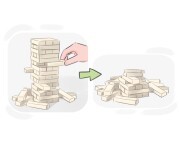
to make something uncertain by introducing changes that disrupt its stability
destabiliza, perturba
Conflictul personal în cadrul unei echipe poate destabiliza coeziunea acesteia.

the job, skill, or act of managing the relationships between different countries
diplomație
Diplomația a ajutat la prevenirea intrării celor două națiuni în război.
a person who believes in or advocates for the principle of equality, especially in regards to social, political, and economic affairs
egalitarist, susținător al egalității
Ca egalitaristă, a luptat pentru drepturi egale în toate clasele sociale.
the group of people who are eligible to vote in an election
electorat, corp electoral
Candidatul a făcut un puternic apel la electorat în timpul campaniei.
to grant the right of voting to a person or group
emancipa, acorda dreptul de vot
Noua lege avea ca scop acordarea dreptului de vot tuturor cetățenilor eligibili.
an overenthusiastic individual, especially one who is devoted to a radical political or religious cause
fanatic, extremist
Protestul a fost pașnic până când un grup de fanatici a început să strige sloganuri radicale.
a political system in which a central government controls the affairs of each self-governed state
federalism
Federalismul permite o împărțire a puterilor între guvernul național și guvernele statelor, promovând un echilibru al autorității.
a social and land-owning system in medieval Europe in which people were granted land and protection by a nobleman in exchange, they had to fight and work for him
feudalism, sistem feudal
Feudalismul a structurat societatea medievală în clase distincte cu seniori și vasali.
an area located at a border, where two countries or regions meet
frontieră, graniță
Orașul se află chiar la frontieră, ceea ce îl face o locație strategică pentru comerț.
the study of how geography influences global political and economic interactions
geopolitică
Geopolitica a jucat un rol semnificativ în deciziile strategice ale națiunilor în timpul Războiului Rece, cu considerații privind proximitatea teritorială și resursele care influențează alianțele.
a system in which one country controls or has influence over other countries, often by winning wars against them
imperialism, colonialism
Ascensiunea imperialismului în secolul al XIX-lea a dus la expansiunea imperiilor europene.
a formal ceremony at which a person is admitted to office
inaugurare
Inaugurarea noului președinte a fost urmărită de mii de spectatori adunați pe National Mall.
the political practice of only being concerned with one's home country and not getting involved in international affairs
izolaționism
Țara a adoptat o politică de izolaționism pentru a evita conflictele străine.
a political approach advocating the government participation in other nations' affairs or influencing the economy of its own country
intervenționism, politică de intervenție
Noua politică a marcat o schimbare către un intervenționism mai mare în afacerile externe.
relating to the making and passing of laws by government bodies
legislativ
Puterea legislativă a guvernului este responsabilă pentru propunerea, dezbaterea și adoptarea legilor.
the political belief that promotes personal freedom, democracy, gradual changes in society, and free trade
liberalism, doctrina liberală
Liberalismul subliniază importanța drepturilor și libertăților individuale, pledând pentru o societate în care oamenii își pot exprima opiniile în mod deschis.
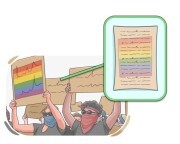
a written public declaration of intentions, opinions, and objectives, often issued by a political party, a government, or a group of individuals with a shared interest or purpose
manifest, declarație publică
Activiștii au emis un manifest pentru a mobiliza sprijinul pentru cauza lor.
the ideology that advocates the unjustifiable nature of war or any other act of violence, and seeks out peace
pacifism, non-violență
Credința ei puternică în pacifism a ghidat decizia ei de a protesta împotriva conflictelor militare.
a political system in which a small group of high-powered people control a country or organization
oligarhie, guvernare de către un grup mic
O oligarhie este o formă de guvernare în care puterea este concentrată în mâinile unui mic grup de indivizi sau familii.
strongly against any political or social changes or any new ideas
reacționar, conservator
Opiniile sale reacționare l-au determinat să se opună tuturor reformelor moderne.
relating to a form of government where the legislature, known as parliament, has significant control over making laws and monitoring the government
parlamentar, referitor la parlament
Sistemul parlamentar permite formarea unui guvern pe baza sprijinului majoritar în legislativă.
a type of politics that purports to represent the opinions and desires of ordinary people in order to gain their support
populism, demagogie
Populismul în politică se referă la o mișcare sau abordare care caută să reprezinte interesele și vocile oamenilor obișnuiți, adesea poziționându-se împotriva elitelor sau instituțiilor stabilite.
information and statements that are mostly biased and false and are used to promote a political cause or leader
propagandă
Regimul a folosit propaganda pentru a controla narațiunea și a menține sprijinul public.
