
Åsikt och Argument - Göra ett Argument
Här kommer du att lära dig några engelska ord relaterade till att göra ett argument som "påstående", "diskutabelt", och "försvarbart".
Recension
Flashcards
former
Stavning
Quiz

(of an argument) directed against a person and not their point of view
ad hominem (av ett argument) riktat mot en person och inte deras synpunkt
a part of a larger system or process, with its specific qualities determined by the preceding adjectives
a set of facts or information that can be used to win an argument against someone or to criticize them
ammunition, argument
Politikern använde senaste ekonomiska data som ammunition mot sin motståndares politik.
used to introduce a statement that confirms or supports a previous point
hur som helst, i vilket fall
a formal written defense used to justify one's beliefs or opinions
apologi, skriftligt försvar
a situation in which a theory or argument cannot be true because two or more parts of it are contradictory
apori, teoretisk återvändsgränd
(of an ideology or opinion) not certain and could be backed up by facts and reasons
diskutabel, tvivelaktig
Det är diskutabelt om fördelarna med den nya lagen överväger kostnaderna.
used to convey that a statement can be supported with reasons or evidence
otvivelaktigt, troligen
Romanen är otvivelaktigt en klassiker, med sin djupa inverkan på litteratur och kultur.
to provide reasons when saying something is the case, particularly to persuade others that one is right
argumentera, diskutera

a reason or sets of reasons presented to show the correctness or falsehood of an action or idea
argument, resonemang
the process or action of logical reasoning for persuading others
argumentation

(of a person) ready to argue and often arguing
argumentativ, grälsjuk
Mötets argumentativa ton hindrade produktiv diskussion och problemlösning.
something that can be used as a basis for criticism or punishment of someone
used to introduce a second fact that must be taken into account
to keep repeating or stressing an idea, argument, etc., especially when it is unnecessary
to persuade a group of people to accept one's arguments by winning their support or sympathy
övertyga, vinna stöd

a series of facts supporting a theory or an argument
fall, argument
the practice of unsound reasoning and falsely arguing questions in a clever way
kasuistik, sofisteri
using a conclusion as part of the reasoning intended to prove that same conclusion
cirkulär, ond cirkel
the fact of a theory or an argument continuously returning to the starting point, due to having a conclusion that has been assumed as a premise
cirkularitet, cirkelresonemang

to say that something is the case without providing proof for it
hävda, påstå

a weakness in someone's character or argument that can be used against them
svag punkt, sårbar punkt
Kritikerna angrep snabbt den svaga punkten i hans argument.
a statement about the truth of something without offering any verification or proof
påstående, anspråk
to move to a different opinion or to admit to one's mistakes
klättra ner, medge misstag
a fact, remark, or action that settles a dispute decisively
avgörande argument, avgörande bevis

to admit, often reluctantly, that something is true or correct
medge, erkänna
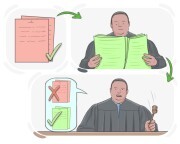
to prove something or someone wrong or false through evidence or argumentation
vederlägga, motbevisa
Laget vederlägger den motsatta synpunkten.
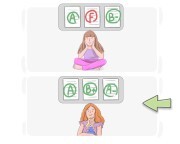
in a way that is always the same
konsekvent, systematiskt
Hon deltar konsekvent i de veckovisa mötena utan att missa.
to argue the truth of something
hävda, försvara
Forskare hävdar att vaccinering är det mest effektiva sättet att förhindra spridningen av infektionssjukdomar.
a thing that is the direct or natural result of another
följd, korollarium
Företagets framgång hade en konsekvens av en större marknadsandel i branschen.
an individual argument, allegation, or item under discussion in reasoning or debate
anklagelsepunkt, anklagelse

an opposing argument or viewpoint that challenges an idea or theory
motargument, motsatt synpunkt
Under debatten framförde varje talare motargument för att undergräva den motsatta sidans ståndpunkt.
an example or a fact that refutes or contradicts a theory, hypothesis, or a proposition
motexempel, motsatt exempel
able to be believed or relied on
trovärdig, pålitlig
För att säkerställa att informationen var trovärdig kontrollerade journalisten sina källor innan hon publicerade artikeln.
a legal case or argument presented by the accused to deny guilt and seek acquittal
försvar, försvarstal

to support someone or try to justify an action, plan, etc.
försvara, stödja
having a justifiable basis that can be supported or explained
försvarbar, motiverbar
Förseningen var försvarbar på grund av oväntade tekniska problem.
a structured method of reasoning in which truth is reached through the systematic exchange of logical arguments
dialektik, dialektisk metod
Dialektik hjälpte eleverna att upptäcka bristerna i det ursprungliga förslaget.
referring to the method of argumentation or discourse that involves the exchange of opposing ideas or viewpoints in order to reach a deeper understanding or resolution
dialektisk, som rör dialektik
De sokratiska dialogen exemplifierar den dialektiska processen av frågor och utforskning för djupare insikter.
to make a point unmistakably clear by stressing it, providing proof, or using examples
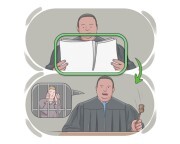
anything that proves the truth or possibility of something, such as facts, objects, or signs
bevis, vittnesmål
to thoroughly defeat someone in an argument, a contest, etc.
krossa, förinta
Trots att han var underhunden, plattade boxaren motståndaren med en kraftig knockout-stöt i sista omgången.
to explain or describe something in detail, often in a formal or structured manner
utveckla, beskriva i detalj
I sitt tal utvecklade hon i detalj utmaningarna med klimatförändringarna och föreslog lösningar.
used to introduce the first point in the series, especially in arguments or when stating one's opinions, reasons, etc.
used to state the first and foremost of a series of facts, opinions, questions etc., especially in an argument
used to convey that what one is saying about something is also true for another related thing
förresten, för övrigt
De följde inte kändisnyheter eller politiska uppdateringar, eller någon sorts aktuella händelser, förresten.

used to introduce additional information
dessutom, vidare
Forntida ruiner har historisk betydelse; dessutom är deras bevarande avgörande.
