
Opinii și Argumente - A Face un Argument
Aici vei învăța câteva cuvinte în engleză legate de construirea unui argument, cum ar fi "revendicare", "discutabil" și "defensabil".
Revizuire
Fișe de studiu
forme
Ortografie
Chestionar


(of an argument) directed against a person and not their point of view

ad hominem (al unui argument) îndreptat împotriva unei persoane și nu a punctului său de vedere
a part of a larger system or process, with its specific qualities determined by the preceding adjectives
a set of facts or information that can be used to win an argument against someone or to criticize them
muniție, argumente
Avocatul a adunat municție substanțială pentru a-și consolida cazul în instanță.
used to introduce a statement that confirms or supports a previous point
oricum, în orice caz
a formal written defense used to justify one's beliefs or opinions
apologie, apărare scrisă
a situation in which a theory or argument cannot be true because two or more parts of it are contradictory
aporie, fundătură teoretică
(of an ideology or opinion) not certain and could be backed up by facts and reasons
discutabil, îndoielnic
Corectitudinea alegerilor este discutabilă, cu diferite puncte de vedere pe această temă.
used to convey that a statement can be supported with reasons or evidence
fără îndoială, probabil
El este fără îndoială cel mai bun jucător din ligă, oferind în mod constant performanțe excepționale.
to provide reasons when saying something is the case, particularly to persuade others that one is right
argumenta, discuta
Ei au argumentat convingător că schimbările climatice reprezintă o amenințare serioasă pentru planetă.

a reason or sets of reasons presented to show the correctness or falsehood of an action or idea
argument, raționament
the process or action of logical reasoning for persuading others
argumentare
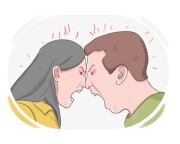
(of a person) ready to argue and often arguing
argumentativ, certăreț
Natura lui argumentativă duce adesea la discuții aprinse cu colegii săi.
something that can be used as a basis for criticism or punishment of someone
used to introduce a second fact that must be taken into account
to keep repeating or stressing an idea, argument, etc., especially when it is unnecessary
to persuade a group of people to accept one's arguments by winning their support or sympathy
convinge, câștiga sprijin
Vânzătorul priceput știa cum să convingă clienții potențiali, persuadându-i să investească în produs.

a series of facts supporting a theory or an argument
caz, argument
Avocatul a construit un caz solid prin prezentarea unei serii de dovezi convingătoare.
the practice of unsound reasoning and falsely arguing questions in a clever way
cazuistică, sofism
(of reasoning or argument) using a statement to prove itself
circular, tautologic
Explicația sa a fost criticată ca fiind un raționament circular.
the fact of a theory or an argument continuously returning to the starting point, due to having a conclusion that has been assumed as a premise
circularitate, raționament circular

to say that something is the case without providing proof for it
pretinde, susține
Unele platforme online pretind adesea beneficiile produselor miraculoase de slăbire.

a weakness in someone's character or argument that can be used against them
punct slab, vulnerabilitate
Lipsa de experiență era punctul lui slab.
a statement about the truth of something without offering any verification or proof
afirmație, declarație
Afirmația companiei despre eficacitatea produsului lor nu avea dovezi științifice.
to move to a different opinion or to admit to one's mistakes
coborî, a recunoaște greșeala
a fact, remark, or action that settles a dispute decisively
argument decisiv, dovadă concludentă

to reluctantly admit that something is true after denying it first
recunoaște, admite cu reticență
După o dezbatere aprigă, a recunoscut în cele din urmă că ar fi putut greși.
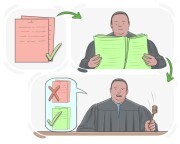
to prove something or someone wrong or false through evidence or argumentation
infirma, combate
Omul de știință a infirmat ipoteza defectuoasă cu experimente riguroase.
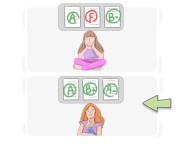
in a way that is always the same
în mod constant, sistematic
El în mod constant livrează muncă de înaltă calitate la fiecare proiect.
to argue the truth of something
susține, afirma
Avocatul a susținut că clientul său este nevinovat pe baza noilor dovezi prezentate în instanță.
a thing that is the direct or natural result of another
corolar, consecință
Creșterea ratelor criminalității a fost un corolar al declinului economic.
an individual argument, allegation, or item under discussion in reasoning or debate
cap de acuzare, acuzare
Avocatul a abordat fiecare cap de acuzare din actul de acuzare.

an opposing argument or viewpoint that challenges an idea or theory
contraargument, argument opus
Ea a anticipat contraargumentele la propunerea sa și a pregătit replici puternice.
an example or a fact that refutes or contradicts a theory, hypothesis, or a proposition
contraexemplu, exemplu contrar
able to be believed or relied on
credibil, de încredere
După ce toate dovezile au fost prezentate, alibiul ei părea mai credibil decât înainte.
a legal case or argument presented by the accused to deny guilt and seek acquittal
apărare, pledoarie
Apărarea a susținut că dovezile erau indirecte.

to support someone or try to justify an action, plan, etc.
apăra, sprijini
A muncit din greu pentru a-și apăra cercetarea împotriva criticilor din comunitatea academică.
having a justifiable basis that can be supported or explained
defensibil, justificabil
Decizia lui de a pleca devreme a fost defensabilă având în vedere condițiile meteorologice înrăutățite.
a structured method of reasoning in which truth is reached through the systematic exchange of logical arguments
dialectică, metodă dialectică
Dialectica socratică implică punerea de întrebări pentru a ghida studenții către adevăr.
referring to the method of argumentation or discourse that involves the exchange of opposing ideas or viewpoints in order to reach a deeper understanding or resolution
dialectic, referitor la dialectică
Abordarea dialectică a raționamentului implică implicarea în argumente opuse pentru a descoperi adevăruri subiacente.
to make a point unmistakably clear by stressing it, providing proof, or using examples
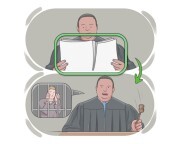
anything that proves the truth or possibility of something, such as facts, objects, or signs
dovadă, mărturie
Studiile științifice au furnizat dovezi puternice care leagă exercițiile fizice regulate de îmbunătățirea sănătății cardiovasculare.
to thoroughly defeat someone in an argument, a contest, etc.
zdrobi, anihila
În ciuda eforturilor sale maxime, ea l-a zdrobit în dezbatere cu punctele ei bine cercetate și argumentele persuasive.
to explain or describe something in detail, often in a formal or structured manner
dezvolta, elabora
Profesorul va expune principiile economiei în timpul cursului.
used to introduce the first point in the series, especially in arguments or when stating one's opinions, reasons, etc.
used to state the first and foremost of a series of facts, opinions, questions etc., especially in an argument
used to convey that what one is saying about something is also true for another related thing
apropo, de altfel
Anna s-a abținut de la utilizarea platformelor de social media, sau a oricăror forumuri online, apropo.

used to introduce additional information
în plus, mai mult
Rezultatele cercetării au susținut ipoteza și, în plus, au oferit perspective valoroase asupra aplicațiilor potențiale.
