pattern

ACT Exam Literacy - Resources and Food

Here you will learn some English words related to resources and food, such as "crave", "pastry", "scavenge", etc. that will help you ace your ACTs.

Review

Flashcards

Forms

Spelling

Quiz

Start learning
Essential Vocabulary for ACT
quota
quota
[noun]

(economics) an amount or share that each individual is entitled to receive

Close
Sign in
consumption

the act of using up something, such as resources, energy, or materials

Ex: The rapid consumption of fuel raised concerns about sustainability. 
Close
Sign in
replenishment

the process of refilling or restoring something to its original level or condition

Ex: The replenishment of the pantry was necessary after the long winter months. 
Close
Sign in
availability

the state of being able to be used, obtained, or accessed
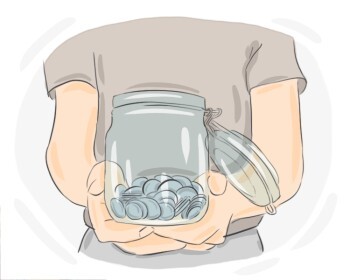
Ex: The availability of fresh produce in the market depends on the season. 
Close
Sign in
alms
alms
[noun]

money, food, or other donations given to the poor or needy as an act of charity

Ex: The kind-hearted woman regularly gave alms to the homeless in her neighborhood. 
Close
Sign in
resource
resource
[noun]

(usually plural) means such as equipment, money, manpower, etc. that a person or organization can benefit from

Ex: The company invested in state-of-the-art technology to enhance its resources for innovation. 
Close
Sign in
provisions

supplies of food, drink, or other necessities prepared or provided for a journey, event, or emergency

Ex: They packed enough provisions to last them for the entire camping trip. 
Close
Sign in
allowance
allowance
[noun]

an amount of something that is permitted

Ex: Children receive a weekly allowance to learn the value of money and budgeting. 
Close
Sign in
deprivation

the action of denying someone access to essential needs like food, money, or legal rights
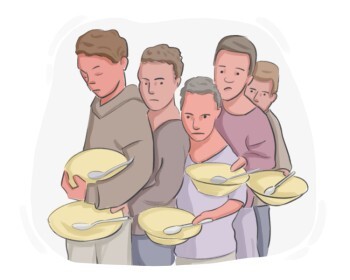
Ex: The relief organization delivered provisions to the disaster-stricken area to help the affected families. 
Close
Sign in
famine
famine
[noun]

a situation where there is not enough food that causes hunger and death

Ex: Many children were orphaned as a result of the famine. 
Close
Sign in
starvation

a situation where a person or animal dies or greatly suffers from having no food for a long time

Close
Sign in
parcel
parcel
[noun]

a portion or piece of something that has been divided or given out, especially from a larger amount
Ex: Each student received a parcel of land for the science project. 
Close
Sign in
to forage
to forage
[Verb]

to search for and collect food, typically in natural surroundings such as forests or fields

Ex: The bears foraged for berries in the forest, using their keen sense of smell to locate ripe fruit. 
Close
Sign in
to scavenge

to search for and consume decaying or dead organic matter as a source of food, often done by animals

Close
Sign in
to deplete

to use up or diminish the quantity or supply of a resource, material, or substance
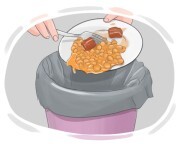
Ex: Continuous deforestation can deplete the natural habitat for many species. 
Close
Sign in
to squander

to waste or misuse something valuable, such as money, time, or opportunities

Ex: Instead of investing wisely, he chose to squander his inheritance on extravagant vacations. 
Close
Sign in
to expend
to expend
[Verb]

to consume or spend resources, energy, or time for a specific purpose

Ex: The company had to expend a significant amount of money to launch the new product. 
Close
Sign in
to allot
to allot
[Verb]

to give or distribute a particular thing such as time, money, etc.

Ex: The manager decided to allot extra time for the team to complete the project successfully. 
Close
Sign in
to allocate

to distribute or assign resources, funds, or tasks for a particular purpose

Ex: The manager decided to allocate more budget to marketing for increased brand visibility. 
Close
Sign in
inexhaustible
inexhaustible
[Adjective]

(of a supply of something) limitless and incapable of running out

Close
Sign in
thrifty
thrifty
[Adjective]

(of a person) careful with money and resources, avoiding unnecessary spending

Ex: She is a thrifty shopper, always finding the best deals. 
Close
Sign in
cost-effective
cost-effective
[Adjective]

producing good results without costing too much
Ex: Investing in energy-efficient appliances proved to be cost-effective in the long run, saving money on electricity bills. 
Close
Sign in
convenient
convenient
[Adjective]

favorable or well-suited for a specific purpose or situation

Ex: The meeting time was convenient for everyone involved. 
Close
Sign in
reusable
reusable
[Adjective]

able to be used again multiple times

Ex: Reusable shopping bags are an eco-friendly alternative to disposable plastic bags. 
Close
Sign in
nonrenewable
nonrenewable
[Adjective]

(of a natural resource or source of energy) existing in limited amounts and not replaceable after being used

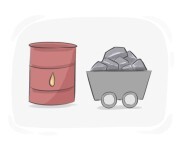
Ex: Oil is a nonrenewable resource that will eventually run out if we continue to use it at the current rate. 
Close
Sign in
supplemental
supplemental
[Adjective]

additional food intended to enhance or complete a diet, often used to address nutritional deficiencies

Ex: The doctor recommended a supplemental vitamin D food to help with his bone health. 
Close
Sign in
pastry
pastry
[noun]

a baked good made from dough or batter, often sweetened or filled with ingredients like fruit, nuts, or chocolate
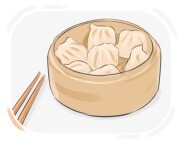
Ex: She enjoyed a flaky pastry filled with apple cinnamon for breakfast. 
Close
Sign in
dumpling
dumpling
[noun]

a dish consisting of small balls of dough that can be baked, fried, or boiled, served with meat

Close
Sign in
broth
broth
[noun]

a flavorful liquid made by simmering meat, fish, or vegetables in water

Ex: He sipped the steaming chicken broth, feeling its comforting warmth soothe his sore throat. 
Close
Sign in
gruel
gruel
[noun]

a thin, watery porridge made by boiling ground grain or meal in water or milk
Ex: The prisoners were given a bowl of gruel for their daily meal. 
Close
Sign in
kernel
kernel
[noun]

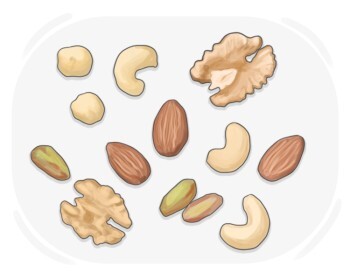
the inner part of a seed, nut, or fruit pit that is often edible
Ex: He bit into the peach and carefully removed the kernel from the pit. 
Close
Sign in
fudge
fudge
[noun]

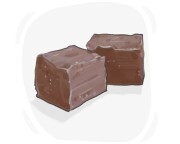
a creamy brown sweet made with milk, sugar, and butter

Close
Sign in
liquor
liquor
[noun]

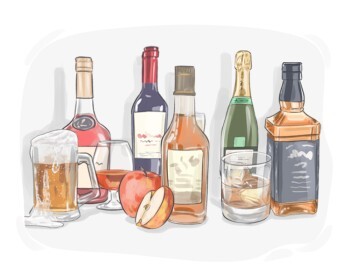
any kind of alcoholic drink made through the process of heating and cooling, such as whiskey, vodka, rum, gin, and tequila
Ex: The liquor store had a wide selection of spirits, including vodka, rum, and tequila. 
Close
Sign in
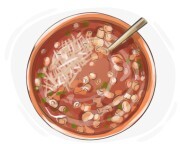
minestrone

a type of soup that contains pasta and vegetables, originated in Italy

Close
Sign in
veal
veal
[noun]

meat of a young cow

Ex: He cooked veal chops to perfection on the barbecue, seasoning them with herbs and spices for a mouthwatering grilled dish. 
Close
Sign in
leavening
leavening
[noun]

a substance typically used in dough to make it rise by producing gas bubbles, resulting in a lighter and softer texture
Ex: The baker added yeast as a leavening to the dough to make it rise. 
Close
Sign in
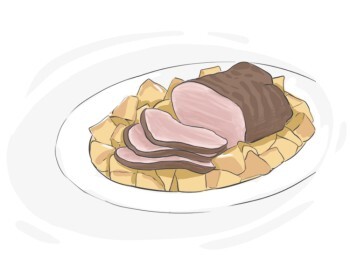
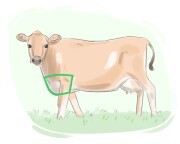
brisket
brisket
[noun]

meat cut from the chest of an animal, especially a cow
Ex: I tried my hand at making homemade corned beef brisket. 
Close
Sign in
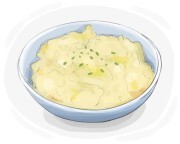
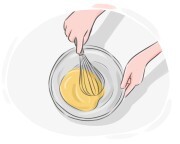
puree
puree
[noun]

a type of food in the form of a smooth cream made by crushing fruit and mixing with cooked vegetables
Close
Sign in
batter
batter
[noun]

a mixture consisting of flour, milk, and eggs, used for making pancakes, or for covering food before frying
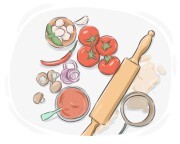
Ex: I dipped the fish fillets in a light and crispy batter before frying them. 
Close
Sign in
ingredient

a food item that forms part of a recipe or culinary mixture
Ex: Flour is the main ingredient in bread. 
Close
Sign in
entree
entree
[noun]

the main segment of a meal

Ex: For my entree, I chose the grilled salmon with a side of asparagus and roasted potatoes. 
Close
Sign in
staple
staple
[noun]

an essential item that is regularly used or needed

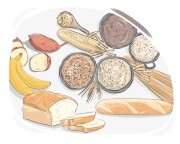
Ex: Rice is a staple in many Asian diets. 
Close
Sign in
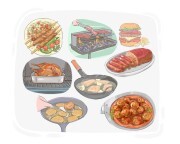
catering
catering
[noun]

the business of providing food, beverages, and other related services for events or occasions
Close
Sign in
cuisine
cuisine
[noun]

a method or style of cooking that is specific to a country or region

Ex: They sampled a variety of Asian cuisine, including sushi, dim sum, and curry. 
Close
Sign in
to crave
to crave
[Verb]

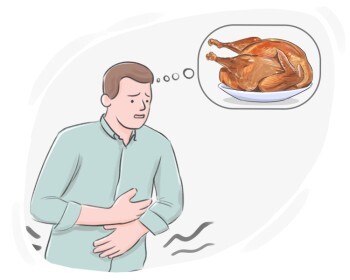
to strongly desire or seek something

Ex: As the concert date approached, fans craved the chance to see their favorite band live. 
Close
Sign in
to gorge
to gorge
[Verb]

to eat greedily and in large quantities

Ex: After fasting all day, she decided to gorge on a hearty meal at the buffet, savoring each dish. 
Close
Sign in
to devour
to devour
[Verb]

to eat something eagerly and in large quantities, often implying intense hunger or enjoyment
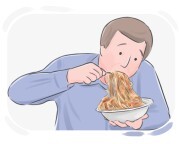
Ex: The aroma of freshly baked cookies made it irresistible, and the kids eagerly devoured the entire batch. 
Close
Sign in
to gobble
to gobble
[Verb]

to eat something quickly and greedily, often making loud and rapid swallowing sounds

Ex: The children tend to gobble their candy as soon as they get it on Halloween. 
Close
Sign in
to masticate

to chew food by biting and grinding it with the teeth

Ex: It's important to thoroughly masticate your food for better digestion. 
Close
Sign in
to chomp
to chomp
[Verb]

to chew or bite down on something with a strong, audible, and repeated motion
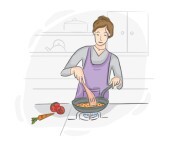
Ex: The hungry toddler couldn't wait to chomp the crunchy apple, revealing a toothy grin with each bite. 
Close
Sign in
culinary
culinary
[Adjective]

having to do with the preparation, cooking, or presentation of food

Ex: She enrolled in a culinary school to learn professional cooking techniques. 
Close
Sign in
ravenous
ravenous
[Adjective]

experiencing extreme hunger

Ex: The smell of freshly baked cookies made the children ravenous, and they quickly gathered around the kitchen. 
Close
Sign in
LanGeek
Download LanGeek app