
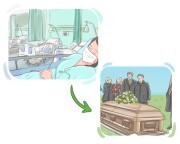
(of an illness) having no cure and gradually leading to death

terminální, nevyléčitelný
Terminální stav Emilyina dědečka mu ztěžoval vykonávání i těch nejjednodušších každodenních úkolů.
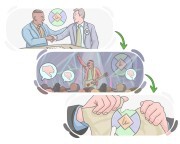
to stop or end something completely
ukončit, zrušit
Vláda ukončila program kvůli nedostatku financí.
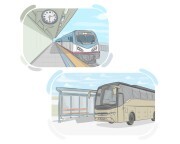
the last stop of a transportation line or route
konečná stanice, terminus
Cestující vystoupili, když vlak dosáhl svého konečné stanice.

having an inclusive nature, characterized by openness and acceptance toward different viewpoints or aspects of human experience
univerzální, eklektický
Univerzální znalosti profesora pokrývaly širokou škálu předmětů.
the faith and practices associated with the branch of Christianity led by the Pope, including rituals, and moral teachings followed by its members
katolicismus, katolická víra
Maria byla vychována v domácnosti, která přijala katolicismus, navštěvovala mši každou neděli a účastnila se svátostí.
to make decorative cuts or markings into the surface of a material by using a sharp-pointed or sharp-edged tool
vyřezávat, rýt
Pozorovali řemeslníka, jak dovedně vyřezává skleněnou láhev nástrojem s diamantovým hrotem.
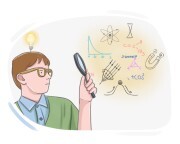
capable of quickly grasping complex topics and offer clear and insightful perspectives
bystrý, pronikavý
Její bystrý komentář k aktuálním událostem poskytuje cenné poznatky o politických a sociálních otázkách.
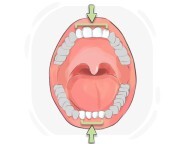
(anatomy) any of the eight narrow-edged teeth at the front of the mouth that are used for biting
řezák, přední zub
Náhodou si ulomil jeden ze svých řezáků při sportování.
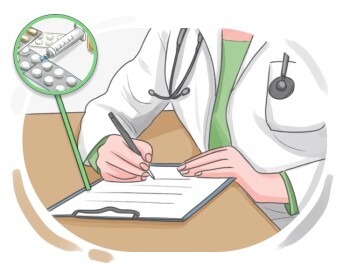
(of a healthcare professional) to tell someone what drug or treatment they should get
předepsat, ordinovat
Specialista předepsal speciální krém na mou kožní vyrážku.
a set of instructions or guidelines to accomplish a specific goal
předpis, směrnice
Dodržování předpisu je zásadní pro správné sestavení nábytku.
available to be bought only with a written order of a licensed healthcare professional, typically a doctor
na předpis, lék na předpis
Lékárna vydává pouze léky na předpis s platným lékařským předpisem.
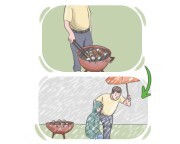
happening or being done when it is not appropriate
nečasný, nevhodný
Jeho nečasové přerušení během prezentace způsobilo, že řečník ztratil nit.
difficult to move or control because of its large size, weight, or unsusal shape
nemotorný, obtížně ovladatelný
Snažila se ovládat nemotorný nákupní vozík, který zatáčel různými směry.
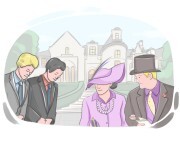
worthy of great respect due to age, wisdom, or character
ctihodný, úctyhodný
Hledal útěchu v učení ctihodného mudrce, jehož slova v něm hluboce rezonovala.

to feel or display a great amount of respect toward something or someone
uctívat, ctít
Obřad se konal, aby uctil kulturní artefakty z minulosti.
a verse or song relating to a call-and-response pattern, where one group or person initiates a line or phrase, and another group or person responds with a corresponding line or phrase
antifona, responsorium
Jako součást náboženského obřadu biskup zazpíval antifonu a shromáždění odpovědělo ozvěnou.
the practice of musical or vocal response between two or more groups, involving involves a call-and-response pattern
antifona, responsorium
Sbor provedl gregoriánský chorál s krásnou antifonou, střídavě mezi mužskými a ženskými hlasy.
referring to the act of worshiping physical objects or representations of deities, rather than the worship of a higher spiritual being or a monotheistic God
modlářský, vztahující se k uctívání fyzických předmětů nebo reprezentací božstev
Chrám byl ozdoben modlami a stoupenci se účastnili modlářských rituálů jako součást svého náboženského dodržování.
the worship of physical objects as divine beings, rather than the worship of a monotheistic God
modloslužba, uctívání model
V rámci nauky víry je modloslužba klasifikována jako těžký hřích kvůli odvrácení oddanosti od uctívání jediného Boha.
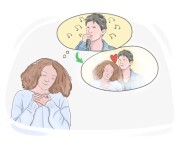
to admire someone excessively, often regarding it as an ideal or perfect figure
uctívat, zbožňovat
Ona uctívá svou oblíbenou popovou hvězdu a má jeho plakáty na všech stěnách své ložnice.
