

an internal guide for behavior based on principles of right and wrong according to an established code of ethics

svědomí
Její svědomí ji přimělo omluvit se za nedorozumění.
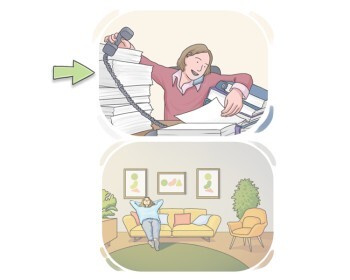
devoted fully to completing tasks and obligations to the highest standard
svědomitý, pilný
Ke své dobrovolnické práci přistoupila s svědomitým závazkem pomáhat ostatním.
to become nervous, confused, or rushed
zmatkovat, znervóznit se
Zmatkovala, když se snažila dokončit projekt před termínem.
feeling confused, bothered, or overwhelmed, resulting in a loss of calmness or clear thinking
zmatený, rozrušený
Tréma zanechala zpěvačku zmatenou, když během svého vystoupení zapomněla některá slova.
demonstrating a broad-minded and selfless approach, often showing a willingness to help or support others without expecting anything in return
velkorysý, štědrý
I po zradě zůstal velkorysý a nabídl pomoc.
a wealthy, influential, and successful businessperson
magnát, průmyslový titán
John D. Rockefeller začínal jako mladý podnikatel a rychle se stal průmyslovým titánem, nakonec si vysloužil titul magnát.
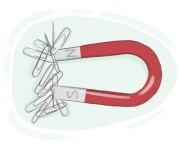
an object that produces an invisible field capable of attracting certain metals without physical contact
magnet, magnetický
Země sama působí jako obrovský magnet a vytváří magnetické pole, které navádí kompasy.
to make an object capable of attracting certain metals
zmagnetizovat, magnetizovat
Tření magnetu sem a tam po železném šroubu je jedním ze způsobů, jak ručně zmagnetizovat kov.
the quality of causing a sense of awe and admiration through spectacular attention to detail
velkolepost, nádhera
Bazilika svatého Petra v Římě je proslulá svou architektonickou velkolepostí a zdobenými interiérovými detaily.
having a lofty or pompous style of speaking or writing
vznešený, okázalý
Přednesla okázalý projev na konferenci, jehož cílem bylo inspirovat, ale nakonec publikum zmátla.
the measurable size of phenomena such as distance, mass, speed, luminosity, etc. based on quantitative scale
velikost, rozsah
Velikost zemětřesení byla měřena na 6,7 Richterovy stupnice, což z něj činí potenciálně nebezpečnou seismickou událost.
to render someone senseless, dizzy, or confused through force, blow, or trauma
omráčit, zmást
Boxer zasadil silnou ránu, která omráčila jeho soupeře.
confusing one so much that one doesn't know what to think due to confusion or shock
ohromující, omračující
Pozorování obrovského rozsahu katastrofy mělo na záchranáře omračující účinek.
to severely condemn through a harsh verbal criticism or attack
přísně odsoudit, ostře kritizovat
Na konci debaty důkladně zničí argumenty svého protivníka.
the action or process of severely criticizing someone or something harshly through verbal attack
tvrdá kritika, prudké odsouzení
Zaměstnanci se obávali, že roční hodnocení výkonu zahrne veřejné odsouzení jejich chyb.
not showing proper respect for things that are usually treated seriously
neuctivý, neslušný
Nedbalé vtipy komika o náboženství urazily některé členy publika.

unable to be undone, changed, or corrected once something has occurred
nevratný, neodvolatelný
Kouření může způsobit nevratné poškození plic po mnoho let.
unable to be changed, undone, or reversed
nezrušitelný
Podepsání závěti činí uvedená přání nezrušitelnými v případě úmrtí osoby.
to completely overwhelm or weaken someone physically, mentally or emotionally, making them unable to function normally
vyčerpat, oslabit
Jeho zranění ho vyčerpala až k deliriu.
the physical posture of lying flat with the face to the ground, as in submission to a religious or political authority
prostrace, poklona
V některých formách uctívání se věřící věnují pravidelným poklonám jako projevu pokory a úcty.
