pattern

Mahalagang Bokabularyo para sa TOEFL - Biyolohiya, Pisika at Kimika

Dito matututunan mo ang ilang mga salitang Ingles tungkol sa biyolohiya, pisika, at kimika, tulad ng "organism", "matter", "element", atbp. na kailangan para sa pagsusulit sa TOEFL.

Repasuhin

Flashcards

Pagbaybay

Pagsusulit
Simulan ang pag-aaral
Essential Words Needed for TOEFL
biology
biology
[Pangngalan]

the scientific study of living organisms; the science that studies living organisms

biyolohiya, agham ng buhay

biyolohiya, agham ng buhay

Ex: She developed a keen interest in biology and decided to pursue a career in medicine. 

Nagkaroon siya ng matinding interes sa biolohiya at nagpasya na ituloy ang isang karera sa medisina.

reproduction
reproduction
[Pangngalan]

the biological process by which organisms produce new individuals, either sexually through gamete fusion or asexually by mechanisms such as budding, fission, or spore formation

reproduksyon, pagpaparami

reproduksyon, pagpaparami

Ex: Scientists study the reproductive cycles of coral to plan reef restoration projects that rely on timed spawning events. 

Pinag-aaralan ng mga siyentipiko ang mga siklo ng reproduksyon ng korales upang magplano ng mga proyekto sa pagpapanumbalik ng reef na umaasa sa mga naka-iskedyul na kaganapan ng pangingitlog.

metabolism
metabolism
[Pangngalan]

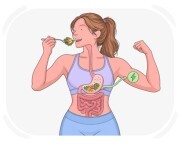
the chemical processes through which food is changed into energy for the body to use

metabolismo, prosesong metaboliko

metabolismo, prosesong metaboliko

Ex: Metabolism involves various biochemical reactions that convert nutrients from food into energy. 

Ang metabolismo ay may kinalaman sa iba't ibang biochemical reactions na nagko-convert ng nutrients mula sa pagkain patungo sa enerhiya.

organism
organism
[Pangngalan]

a living thing such as a plant, animal, etc., especially a very small one that lives on its own

organismo, bagay na may buhay

organismo, bagay na may buhay

Ex: The pond ecosystem is home to a variety of organisms, including fish, algae, and bacteria. 

Ang ecosystem ng pond ay tahanan ng iba't ibang organismo, kabilang ang mga isda, algae, at bacteria.

life cycle
life cycle
[Pangngalan]

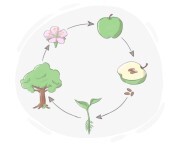
all the different stages of grow and development of a living organism

ikot ng buhay, biyolohikal na ikot

ikot ng buhay, biyolohikal na ikot

Ex: The life cycle of a butterfly includes four main stages. 

Ang life cycle ng isang paru-paro ay may apat na pangunahing yugto.

molecule
molecule
[Pangngalan]

the smallest structure of a substance consisting of a group of atoms

molekula

molekula

Ex: Molecules are made up of two or more atoms bonded together. 

Ang mga molekula ay binubuo ng dalawa o higit pang mga atom na magkakasamang nakatali.

molecular
molecular
[pang-uri]

consisting of or relating to molecules, which are groups of atoms bonded together

molekular, may kaugnayan sa mga molekula

molekular, may kaugnayan sa mga molekula

Ex: Molecular bonding determines the arrangement of atoms in a compound. 

Ang molecular bonding ay nagtatakda ng ayos ng mga atomo sa isang compound.
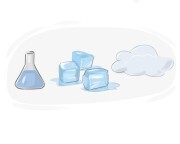
matter
matter
[Pangngalan]

a physical substance that occupies space and exists in every material in the universe

materya, sustansya
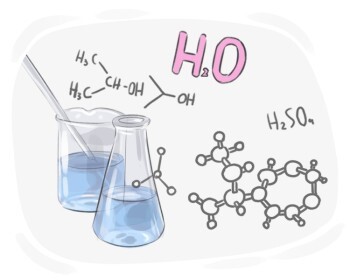
materya, sustansya

Ex: The study of matter is fundamental to fields like physics and chemistry. 

Ang pag-aaral ng materya ay pangunahing mahalaga sa mga larangan tulad ng pisika at kimika.

chemistry
chemistry
[Pangngalan]

the branch of science that is concerned with studying the structure of substances and the way that they change or combine with each other

kimika, agham ng mga sustansya

kimika, agham ng mga sustansya

Ex: She found the chemistry lesson on chemical reactions absolutely fascinating. 

Nakita niya ang aralin sa kimika tungkol sa mga reaksiyong kemikal na lubos na kamangha-mangha.

element
element
[Pangngalan]

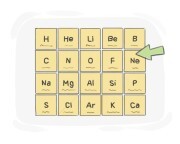
a substance that is composed of only one type of atom, typically characterized by specific physical and chemical properties

elemento, sangkap
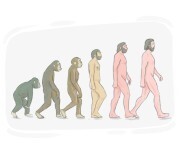
elemento, sangkap

Ex: Oxygen is an essential element for human respiration. 

Ang elemento ay isang mahalagang sangkap para sa paghinga ng tao.

evolution
evolution
[Pangngalan]

(biology) the slow and gradual development of living things throughout the history of the earth

ebolusyon

ebolusyon

Ex: Evolution is the process by which species change over time in response to environmental pressures. 

Ang ebolusyon ay ang proseso kung saan nagbabago ang mga species sa paglipas ng panahon bilang tugon sa mga pressure ng kapaligiran.

property
property
[Pangngalan]

a feature or quality of something

ari-arian, katangian

ari-arian, katangian

Ex: Elasticity is a material property that measures its ability to return to its original shape after being deformed. 

Ang elasticity ay isang katangian ng materyal na sumusukat sa kakayahan nitong bumalik sa orihinal na hugis pagkatapos ma-deform.

photosynthesis
photosynthesis
[Pangngalan]

a process in green plants during which the plant synthesizes using water and carbon dioxide

potosintesis

potosintesis

Ex: Photosynthesis in leaves produces the oxygen we breathe. 

Ang photosynthesis sa mga dahon ay gumagawa ng oxygen na ating nilalanghap.
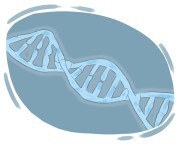
DNA
DNA
[Pangngalan]

(biochemistry) a chemical substance that carries the genetic information, which is present in every cell and some viruses

DNA, deoxyribonucleic acid
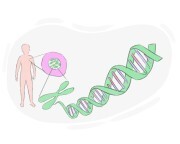
DNA, deoxyribonucleic acid

Ex: DNA, or deoxyribonucleic acid, contains the genetic instructions for living organisms. 

Ang DNA, o deoxyribonucleic acid, ay naglalaman ng mga genetic na tagubilin para sa mga nabubuhay na organismo.

gene
gene
[Pangngalan]

(genetics) a basic unit of heredity and a sequence of nucleotides in DNA that is located on a chromosome in a cell and controls a particular quality

hen, yunit ng pagmamana

hen, yunit ng pagmamana

Ex: The gene responsible for eye color is inherited from both parents. 

Ang gene na responsable sa kulay ng mata ay minana mula sa parehong magulang.

to react
to react
[Pandiwa]

(physics) to be subject to physical or chemical change

gumanti, makipag-ugnayan

gumanti, makipag-ugnayan

Ex: During cellular respiration, glucose and oxygen react to produce carbon dioxide, water, and energy. 

Sa panahon ng cellular respiration, ang glucose at oxygen ay nagre-react upang makagawa ng carbon dioxide, tubig, at enerhiya.

fiber
fiber
[Pangngalan]

any strand of muscle or nervous tissues

hibla, himaymay

hibla, himaymay

Ex: The microscopic examination revealed damaged muscle fibers in the injured athlete's thigh. 
particle
particle
[Pangngalan]

(physics) any of the smallest units that energy or matter consists of, such as electrons, atoms, molecules, etc.

partikula

partikula

Ex: Electrons are fundamental particles with a negative electric charge. 

Ang mga electron ay pangunahing particle na may negatibong electric charge.

compound
compound
[Pangngalan]

(chemistry) a substance that its molecules consist of two or more elements that are held together by a chemical bond

kompuesto, halo

kompuesto, halo

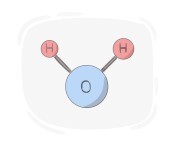
Ex: Water is a compound made of hydrogen and oxygen atoms. 

Ang tubig ay isang compound na gawa sa mga atomo ng hydrogen at oxygen.

bond
bond
[Pangngalan]

a link that holds atoms or ions together in any molecule or crystal

bigkis, ugnayan
bigkis, ugnayan

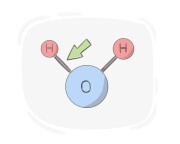
Ex: The covalent bond between the hydrogen and oxygen atoms forms a water molecule. 

Ang bond na covalent sa pagitan ng mga atomo ng hydrogen at oxygen ay bumubuo ng isang molekula ng tubig.

atomic
atomic
[pang-uri]

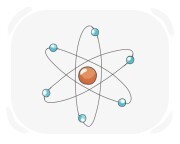
related to atoms, the smallest units of matter, including their structure, properties, and interactions

atomiko
atomiko

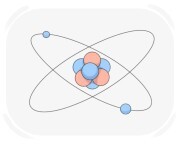
Ex: The atomic structure of an element includes its nucleus, composed of protons and neutrons, surrounded by electrons. 

Ang atomic na istraktura ng isang elemento ay kinabibilangan ng nucleus nito, na binubuo ng mga proton at neutron, na napapalibutan ng mga electron.

nerve
nerve
[Pangngalan]

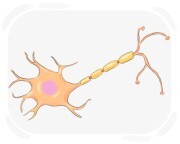
each of a group of long thread-like structures in the body that carry messages between the brain and other parts of the body, sensing things is a result of this process

nerbiyos, hibla ng nerbiyos

nerbiyos, hibla ng nerbiyos

Ex: The sciatic nerve runs from the lower spine all the way down each leg. 
parasite
parasite
[Pangngalan]

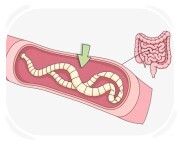
(biology) a small organism that lives on or inside another organism, called a host, and is dependent on it for nutrition and growth

parasito, organismong parasito

parasito, organismong parasito

Ex: The mosquito is a well-known parasite that feeds on the blood of its host, often transmitting diseases in the process. 

Ang lamok ay isang kilalang parasite na kumakain ng dugo ng kanyang host, kadalasang nagkakalat ng mga sakit sa proseso.

instinct
instinct
[Pangngalan]

a natural reaction or behavior that occurs automatically, without conscious thought or reasoning

likas na ugali, udyok

likas na ugali, udyok

Ex: The mother bird followed her instinct to build a nest and protect her eggs. 

Sinunod ng inang ibon ang kanyang likas na ugali upang magtayo ng pugad at protektahan ang kanyang mga itlog.

acid
acid
[Pangngalan]

a water-soluble chemical substance that contains Hydrogen and has a sour taste or corrosive feature with a PH less than 7

asido, sustansyang asido

asido, sustansyang asido

Ex: The lemon juice contains citric acid, which gives it a sour taste and a pH of around 2. 

Ang lemon juice ay naglalaman ng citric acid, na nagbibigay dito ng maasim na lasa at pH na mga 2.

electron
electron
[Pangngalan]

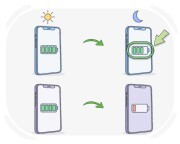
a small particle in an atom with negative charge

elektron, maliit na partikula sa atom na may negatibong karga

elektron, maliit na partikula sa atom na may negatibong karga

Ex: Electrons flow through wires to create electric current. 

Ang mga electron ay dumadaloy sa mga wire upang lumikha ng electric current.

vapor
vapor
[Pangngalan]

extremely small drops of liquid in the air, resulted from the heating of the liquid

singaw,  ambon

singaw, ambon

Ex: The morning mist rose from the lake, forming a delicate vapor that shrouded the landscape. 
glucose
glucose
[Pangngalan]

a basic kind of sugar that is a component of carbohydrates and provides energy for many living organisms

glukosa

glukosa

Ex: Glucose enters your bloodstream after you eat carbohydrates. 
carbon
carbon
[Pangngalan]

a nonmetal element that can be found in all organic compounds and living things

carbon, uling

carbon, uling

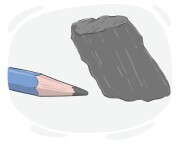
Ex: Graphite, used in pencils, is another allotrope of carbon. 

Ang graphite, na ginagamit sa mga lapis, ay isa pang anyo ng carbon.

calcium
calcium
[Pangngalan]

a soft silver-white metal that is an important element in bones and teeth

kalsiyum

kalsiyum

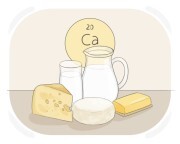
Ex: Calcium is found in dairy products like milk, cheese, and yogurt. 
nitrogen
nitrogen
[Pangngalan]

one the most common elements in Earth's atmosphere

nitroheno

nitroheno

Ex: Nitrogen is essential for plant growth and is often added to soil as fertilizer. 
to dissolve
to dissolve
[Pandiwa]

(of a solid) to become one with a liquid

matunaw, tunawin

matunaw, tunawin

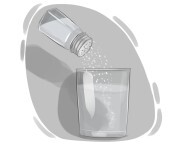
Ex: Sugar dissolves quickly in hot tea. 

Mabilis na natutunaw ang asukal sa mainit na tsaa.

LanGeek
I-download ang app ng LanGeek