
pattern

TOEFL을 위한 필수 어휘 - 생물학, 물리학 및 화학

여기에서는 TOEFL 시험에 필요한 "생물", "물질", "원소" 등과 같은 생물학, 물리학 및 화학에 관한 몇 가지 영어 단어를 배우게 됩니다.

리뷰

플래시카드

철자법

퀴즈

학습 시작
Essential Words Needed for TOEFL
biology
biology
[명사]

the scientific study of living organisms; the science that studies living organisms

생물학, 생명 과학

생물학, 생명 과학

Ex: She developed a keen interest in biology and decided to pursue a career in medicine. 
닫기
로그인
reproduction
reproduction
[명사]

the biological process by which organisms produce new individuals, either sexually through gamete fusion or asexually by mechanisms such as budding, fission, or spore formation

생식, 번식

생식, 번식

Ex: Scientists study the reproductive cycles of coral to plan reef restoration projects that rely on timed spawning events. 
닫기
로그인
metabolism
metabolism
[명사]

the chemical processes through which food is changed into energy for the body to use

대사, 신진대사

대사, 신진대사

Ex: Metabolism involves various biochemical reactions that convert nutrients from food into energy. 
닫기
로그인
organism
organism
[명사]

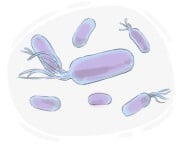
a living thing such as a plant, animal, etc., especially a very small one that lives on its own

생물, 유기체

생물, 유기체

Ex: The pond ecosystem is home to a variety of organisms, including fish, algae, and bacteria. 
닫기
로그인
life cycle
life cycle
[명사]

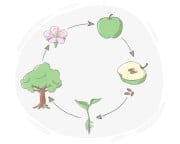
all the different stages of grow and development of a living organism

생명 주기, 생물학적 주기

생명 주기, 생물학적 주기

Ex: The life cycle of a butterfly includes four main stages. 
닫기
로그인
molecule
molecule
[명사]

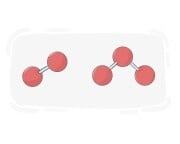
the smallest structure of a substance consisting of a group of atoms

분자

분자

Ex: Molecules are made up of two or more atoms bonded together. 
닫기
로그인
molecular
molecular
[형용사]

consisting of or relating to molecules, which are groups of atoms bonded together

분자의, 분자와 관련된

분자의, 분자와 관련된

Ex: Molecular bonding determines the arrangement of atoms in a compound. 
닫기
로그인
matter
matter
[명사]

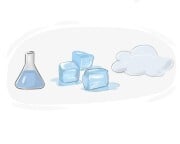
a physical substance that occupies space and exists in every material in the universe

물질, 물체

물질, 물체

Ex: All objects, whether solid, liquid, or gas, are made of matter. 
닫기
로그인
chemistry
chemistry
[명사]

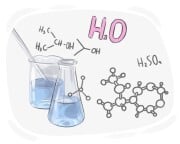
the branch of science that is concerned with studying the structure of substances and the way that they change or combine with each other

화학, 물질 과학

화학, 물질 과학

Ex: She found the chemistry lesson on chemical reactions absolutely fascinating. 
닫기
로그인
element
element
[명사]

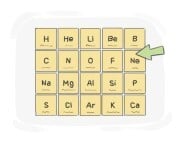
a substance that is composed of only one type of atom, typically characterized by specific physical and chemical properties

원소, 성분

원소, 성분

Ex: Oxygen is an essential element for human respiration. 
닫기
로그인
evolution
evolution
[명사]

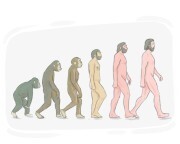
(biology) the slow and gradual development of living things throughout the history of the earth

진화

진화

Ex: Evolution is the process by which species change over time in response to environmental pressures. 
닫기
로그인
property
property
[명사]

a feature or quality of something

속성, 특성

속성, 특성

Ex: The most desirable property of the new smartphone is its long-lasting battery life. 
닫기
로그인
photosynthesis

a process in green plants during which the plant synthesizes using water and carbon dioxide

광합성

광합성

Ex: Photosynthesis in leaves produces the oxygen we breathe. 
닫기
로그인
DNA
DNA
[명사]

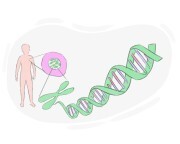
(biochemistry) a chemical substance that carries the genetic information, which is present in every cell and some viruses

DNA, 디옥시리보핵산

DNA, 디옥시리보핵산

Ex: DNA, or deoxyribonucleic acid, contains the genetic instructions for living organisms. 
닫기
로그인
gene
gene
[명사]

(genetics) a basic unit of heredity and a sequence of nucleotides in DNA that is located on a chromosome in a cell and controls a particular quality

유전자, 유전 단위

유전자, 유전 단위

Ex: The gene responsible for eye color is inherited from both parents. 
닫기
로그인
to react
to react
[동사]

(physics) to be subject to physical or chemical change

반응하다, 상호 작용하다

반응하다, 상호 작용하다

Ex: When sodium reacts with water, it produces sodium hydroxide and hydrogen gas as byproducts. 
닫기
로그인
fiber
fiber
[명사]

any strand of muscle or nervous tissues

섬유, 근섬유

섬유, 근섬유

Ex: The microscopic examination revealed damaged muscle fibers in the injured athlete's thigh. 
닫기
로그인
particle
particle
[명사]

(physics) any of the smallest units that energy or matter consists of, such as electrons, atoms, molecules, etc.

입자

입자

Ex: Electrons are fundamental particles with a negative electric charge. 
닫기
로그인
compound
compound
[명사]

(chemistry) a substance that its molecules consist of two or more elements that are held together by a chemical bond

화합물, 혼합물

화합물, 혼합물

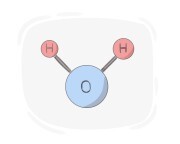
Ex: Water is a compound made of hydrogen and oxygen atoms. 
닫기
로그인
bond
bond
[명사]

a link that holds atoms or ions together in any molecule or crystal

결합, 유대

결합, 유대

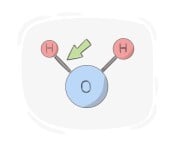
Ex: The covalent bond between the hydrogen and oxygen atoms forms a water molecule. 
닫기
로그인
atomic
atomic
[형용사]

related to atoms, the smallest units of matter, including their structure, properties, and interactions

원자의

원자의

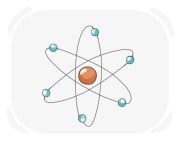
Ex: The atomic structure of an element includes its nucleus, composed of protons and neutrons, surrounded by electrons. 
닫기
로그인
nerve
nerve
[명사]

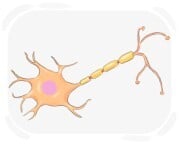
each of a group of long thread-like structures in the body that carry messages between the brain and other parts of the body, sensing things is a result of this process

신경, 신경 섬유

신경, 신경 섬유

닫기
로그인
parasite
parasite
[명사]

(biology) a small organism that lives on or inside another organism, called a host, and is dependent on it for nutrition and growth

기생충, 기생 생물

기생충, 기생 생물

Ex: The mosquito is a well-known parasite that feeds on the blood of its host, often transmitting diseases in the process. 
닫기
로그인
instinct
instinct
[명사]

a natural reaction or behavior that occurs automatically, without conscious thought or reasoning

본능, 충동

본능, 충동

Ex: The mother bird followed her instinct to build a nest and protect her eggs. 
닫기
로그인
acid
acid
[명사]

a water-soluble chemical substance that contains Hydrogen and has a sour taste or corrosive feature with a PH less than 7

산, 산성 물질

산, 산성 물질

Ex: The lemon juice contains citric acid, which gives it a sour taste and a pH of around 2. 
닫기
로그인
electron
electron
[명사]

a small particle in an atom with negative charge

전자, 음전하를 가진 원자 내 작은 입자

전자, 음전하를 가진 원자 내 작은 입자

Ex: Electrons flow through wires to create electric current. 
닫기
로그인
vapor
vapor
[명사]

extremely small drops of liquid in the air, resulted from the heating of the liquid

증기,  안개

증기, 안개

Ex: The morning mist rose from the lake, forming a delicate vapor that shrouded the landscape. 
닫기
로그인
glucose
glucose
[명사]

a basic kind of sugar that is a component of carbohydrates and provides energy for many living organisms

글루코스

글루코스

닫기
로그인
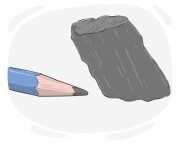
carbon
carbon
[명사]

a nonmetal element that can be found in all organic compounds and living things

탄소, 석탄

탄소, 석탄

Ex: Graphite, used in pencils, is another allotrope of carbon. 
닫기
로그인
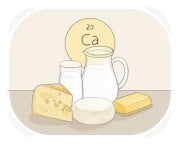
calcium
calcium
[명사]

a soft silver-white metal that is an important element in bones and teeth

칼슘

칼슘

닫기
로그인
nitrogen
nitrogen
[명사]

one the most common elements in Earth's atmosphere

질소

질소

닫기
로그인
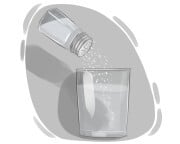
to dissolve
to dissolve
[동사]

(of a solid) to become one with a liquid

녹다, 용해되다

녹다, 용해되다

Ex: Sugar dissolves quickly in hot tea. 
닫기
로그인
LanGeek
LanGeek 앱 다운로드