
TOEFL için Gerekli Kelime Bilgisi - Biyoloji, Fizik ve Kimya
Burada, TOEFL sınavı için gerekli olan "organizma", "madde", "element" vb. biyoloji, fizik ve kimya ile ilgili bazı İngilizce kelimeler öğreneceksiniz.
Gözden Geçir
Flash kartlar
Yazım
Quiz

the scientific study of living organisms; the science that studies living organisms

biyoloji
Üniversite laboratuvarında biyoloji deneyleri yaparak yazı geçirdiler.

the biological process by which living organisms produce new individuals of the same kind
üreme
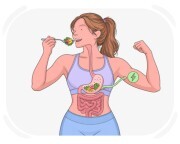
the chemical processes through which food is changed into energy for the body to use
metabolizma
Bazı insanların hızlı bir metabolizması vardır, bu da dinlenirken bile hızlı bir şekilde kalori yakmalarını sağlar.

an individual living thing, such as an animal, plant, fungus, or bacterium
canlı varlık
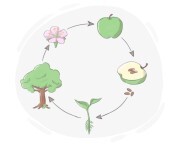
all the different stages of grow and development of a living organism
yaşam döngüsü
Okul bahçesinde bir bitkinin tüm yaşam döngüsünü gözlemlediler.

the smallest unit of a substance that can exist independently while retaining its chemical properties
molekül
consisting of or relating to molecules, which are groups of atoms bonded together
moleküler
Moleküler sentez, moleküller arasındaki kimyasal reaksiyonlar yoluyla yeni bileşiklerin oluşturulmasını içerir.
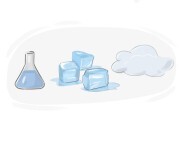
a physical substance that occupies space and exists in every material in the universe
madde
Bilim insanları, özelliklerini ve davranışını anlamak için maddeyi inceler.
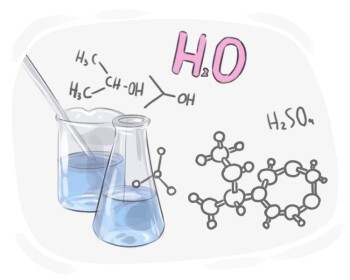
the science that studies the composition, properties, and reactions of substances
kimya
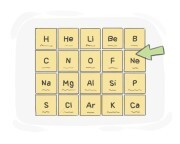
a substance that is composed of only one type of atom, typically characterized by specific physical and chemical properties
unsur, element
Elementlerin en basiti olan hidrojen, çekirdeğinde yalnızca bir proton bulundurur.
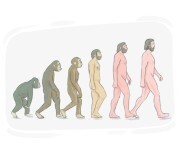
the process by which populations of living organisms change genetically across successive generations
evrim
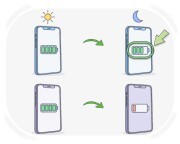
a feature or quality of something
temel nitelik
Yanıcılık özelliği, bir maddenin ne kadar kolay alev alabileceğini belirler.
a process in green plants during which the plant synthesizes using water and carbon dioxide
fotosentez
Bilim insanları temiz enerji yaratmak için yapay fotosentez üzerinde çalışıyor.
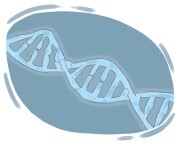
(biochemistry) a chemical substance that carries the genetic information, which is present in every cell and some viruses
DNA
Bilim insanları, suç soruşturmalarında bireyleri tanımlamak için DNA analizi kullanır.
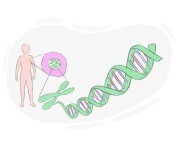
(genetics) a basic unit of heredity and a sequence of nucleotides in DNA that is located on a chromosome in a cell and controls a particular quality
gen
Atletik yetenekleri, miras aldığı belirli bir gen ile ilişkili olabilir.
to undergo a chemical or physical change through interaction with another substance or influence
reaksiyon göstermek, tepkimek

a long, thin cell or threadlike structure that forms part of muscle or nervous tissue
lif
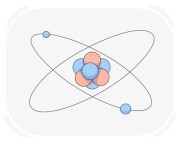
an extremely small unit of matter or radiation treated as a discrete entity in physics
tanecik
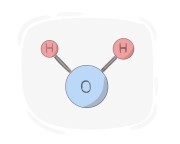
a pure substance formed from two or more chemical elements chemically bonded in fixed proportions
bileşim
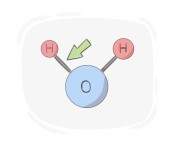
a link that holds atoms or ions together in any molecule or crystal
bağ
Bir kimyasal bağın gücü, bağ uzunluğu, bağ açısı ve bağ enerjisi gibi faktörler tarafından belirlenir.
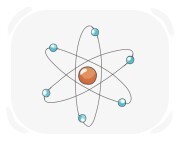
related to atoms, the smallest units of matter, including their structure, properties, and interactions
atoma ilişkin
Atomik bağlanma, moleküller veya bileşikler oluşturmak için atomlar arasındaki etkileşimleri içerir.
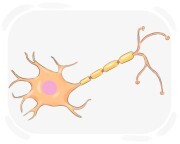
a bundle of fibers that carries signals between the brain or spinal cord and other parts of the body
sinir
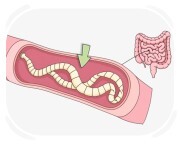
(biology) a small organism that lives on or inside another organism, called a host, and is dependent on it for nutrition and growth
asalak
Bilim insanları, neden olduğu hastalıklar için daha iyi tedaviler ve önleyici tedbirler geliştirmek amacıyla parazitin yaşam döngüsünü inceliyor.

a natural tendency or ability to behave or react in a particular way without conscious thought or learning
iç güdü
a water-soluble chemical substance that contains Hydrogen and has a sour taste or corrosive feature with a PH less than 7
asit
Bilim insanı, laboratuvarda sülfürik asiti yüksek derecede aşındırıcı özelliklerinin farkında olarak dikkatlice kullandı.
an extremely small elementary particle with a negative electric charge
elektron
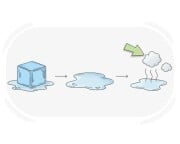
extremely small drops of liquid in the air, resulted from the heating of the liquid
buhar
Bilim insanı, laboratuvarda su buharının bulutlara yoğunlaşma davranışını gözlemledi.
(biochemistry) a simple sugar that is the main source of energy for cells in the body
glikoz
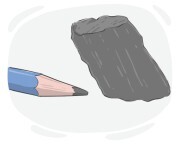
a chemical element present in all living things and in substances such as coal, graphite, and diamond
karbon
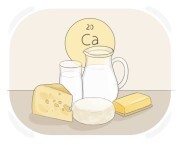
a chemical element, symbol Ca, that is essential for healthy bones and teeth and occurs naturally in many foods and minerals
kalsiyum
(chemistry) a colorless, odorless, tasteless gas that makes up about 78 percent of Earth's atmosphere and is found in all living tissues
nitrojen
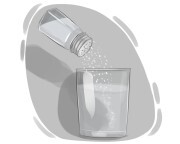
to become incorporated into a liquid and form a solution
erimek
| TOEFL için Gerekli Kelime Bilgisi | |||
|---|---|---|---|
| Hobiler ve Oyunlar | Alışveriş | Ekonomi | İş Dünyası |
| Başarı ve Başarısızlık | Siyaset | Kanun ve Düzen | Suç ve Ceza |
| Savaş ve Barış | Religion | Biyoloji, Fizik ve Kimya | Matematik ve Ölçüm |
| Mühendislik ve Araştırma | Atletizm | Zaman ve Tarih | |
