
Необходимый Словарный Запас для TOEFL - Биология, физика и химия
Здесь вы выучите некоторые английские слова по биологии, физике и химии, такие как "организм", "материя", "элемент" и т.д., которые необходимы для экзамена TOEFL.
Обзор
Флэш-карточки
Правописание
Тест

the scientific study of living organisms; the science that studies living organisms

биология
Она проявила живой интерес к биологии и решила сделать карьеру в медицине.

the biological process by which organisms produce new individuals, either sexually through gamete fusion or asexually by mechanisms such as budding, fission, or spore formation
воспроизведение
Ученые изучают циклы размножения кораллов, чтобы планировать проекты по восстановлению рифов, которые зависят от запланированных нерестовых событий.
the chemical processes through which food is changed into energy for the body to use
обмен веществ
Метаболизм включает различные биохимические реакции, которые превращают питательные вещества из пищи в энергию.

a living thing such as a plant, animal, etc., especially a very small one that lives on its own
организм
Экосистема пруда является домом для различных организмов, включая рыб, водоросли и бактерии.
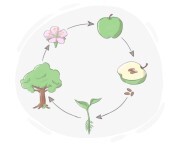
all the different stages of grow and development of a living organism
жизненный цикл
Жизненный цикл бабочки включает четыре основных этапа.

the smallest structure of a substance consisting of a group of atoms
молекула
Молекулы состоят из двух или более связанных вместе атомов.
consisting of or relating to molecules, which are groups of atoms bonded together
молекулярный
Молекулярная связь определяет расположение атомов в соединении.
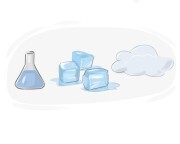
a physical substance that occupies space and exists in every material in the universe
материя, вещество
Все объекты, будь то твердые, жидкие или газообразные, состоят из материи.
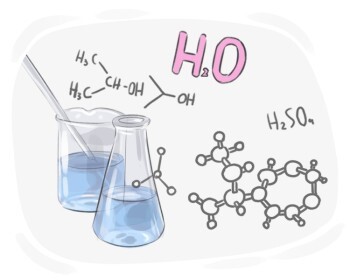
the branch of science that is concerned with studying the structure of substances and the way that they change or combine with each other
химия
Она нашла урок химии о химических реакциях абсолютно захватывающим.
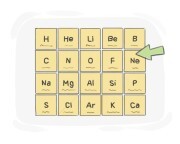
a substance that is composed of only one type of atom, typically characterized by specific physical and chemical properties
элемент
Элемент является важным компонентом для дыхания человека.
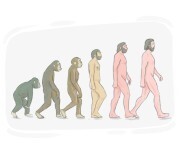
(biology) the slow and gradual development of living things throughout the history of the earth
эволюция
Эволюция — это процесс, посредством которого виды изменяются со временем в ответ на давление окружающей среды.
a feature or quality of something
свойство
Самое желаемое свойство нового смартфона - это долгий срок службы батареи.
a process in green plants during which the plant synthesizes using water and carbon dioxide
фотосинтез
Фотосинтез в листьях производит кислород, которым мы дышим.
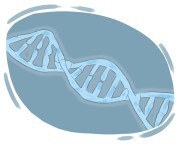
(biochemistry) a chemical substance that carries the genetic information, which is present in every cell and some viruses
ДНК, дезоксирибонуклеиновая кислота
ДНК, или дезоксирибонуклеиновая кислота, содержит генетические инструкции для живых организмов.
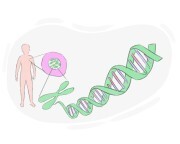
(genetics) a basic unit of heredity and a sequence of nucleotides in DNA that is located on a chromosome in a cell and controls a particular quality
ген
Ген, ответственный за цвет глаз, наследуется от обоих родителей.
(physics) to be subject to physical or chemical change
реагировать
Пищевая сода и уксус реагируют при смешивании, выделяя углекислый газ, что вызывает шипящую реакцию.

any strand of muscle or nervous tissues
волокно
(physics) any of the smallest units that energy or matter consists of, such as electrons, atoms, molecules, etc.
частица
Электроны — это фундаментальные частицы с отрицательным электрическим зарядом.
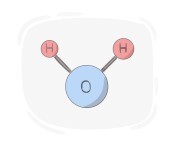
(chemistry) a substance that its molecules consist of two or more elements that are held together by a chemical bond
соединение
Вода — это соединение, состоящее из атомов водорода и кислорода.
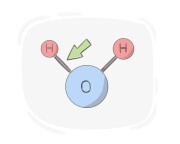
a link that holds atoms or ions together in any molecule or crystal
связь
Ковалентная связь между атомами водорода и кислорода образует молекулу воды.
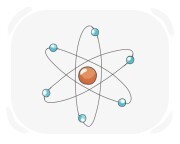
related to atoms, the smallest units of matter, including their structure, properties, and interactions
атомный
Атомная структура элемента включает его ядро, состоящее из протонов и нейтронов, окруженное электронами.
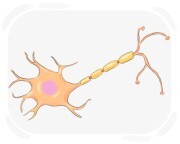
each of a group of long thread-like structures in the body that carry messages between the brain and other parts of the body, sensing things is a result of this process
нерв
(biology) a small organism that lives on or inside another organism, called a host, and is dependent on it for nutrition and growth
паразит
Комар — это хорошо известный паразит, который питается кровью своего хозяина, часто передавая болезни в процессе.
a natural reaction or behavior that occurs automatically, without conscious thought or reasoning
инстинкт
Птица-мать следовала своему инстинкту, чтобы построить гнездо и защитить свои яйца.
a water-soluble chemical substance that contains Hydrogen and has a sour taste or corrosive feature with a PH less than 7
кислота
Лимонный сок содержит лимонную кислоту, которая придает ему кислый вкус и pH около 2.
a small particle in an atom with negative charge
electron
Электроны текут по проводам, создавая электрический ток.

extremely small drops of liquid in the air, resulted from the heating of the liquid
пар
a basic kind of sugar that is a component of carbohydrates and provides energy for many living organisms
глюкоза
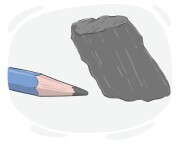
a nonmetal element that can be found in all organic compounds and living things
углерод
Графит, используемый в карандашах, является еще одной аллотропной формой углерода.
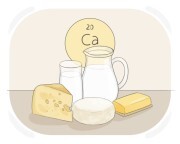
a soft silver-white metal that is an important element in bones and teeth
кальций
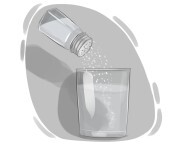
(of a solid) to become one with a liquid
растворять
Сахар быстро растворяется в горячем чае.
| Необходимый Словарный Запас для TOEFL | |||
|---|---|---|---|
| Увлечения и игры | Поход по магазинам | Экономика | Мир бизнеса |
| Успех и неудача | Политика | Закон и порядок | Преступление и наказание |
| Война и мир | Религия | Биология, физика и химия | Математика и измерение |
| Инженерия и исследования | Спортсмены | Время и история | |
