pattern

Vocabular Esențial pentru TOEFL - Biologie, Fizică și Chimie

Aici veți învăța câteva cuvinte în engleză despre biologie, fizică și chimie, cum ar fi "organism", "materie", "element" etc., care sunt necesare pentru examenul TOEFL.

Revizuire

Fișe de studiu

forme

Ortografie

Chestionar

Începe să înveți
Essential Words Needed for TOEFL
biology
biology
[substantiv]

the scientific study of living organisms; the science that studies living organisms

biologie, știința vieții

biologie, știința vieții

Ex: Understanding biology is crucial for addressing environmental and health-related challenges .

Înțelegerea biologiei este crucială pentru abordarea provocărilor legate de mediu și sănătate.

Închide
Conectare
reproduction
reproduction
[substantiv]

the biological process by which organisms produce new individuals, either sexually through gamete fusion or asexually by mechanisms such as budding, fission, or spore formation

reproducție, înmulțire

reproducție, înmulțire

Ex: The textbook explained human reproduction step by step , from gamete formation to embryonic development .

Manualul a explicat reproducerea umană pas cu pas, de la formarea gameților la dezvoltarea embrionară.

Închide
Conectare
metabolism
metabolism
[substantiv]

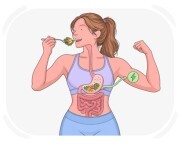
the chemical processes through which food is changed into energy for the body to use

metabolism, funcționare metabolică

metabolism, funcționare metabolică

Ex: Metabolism slows down with age, leading to changes in energy levels and body composition.

Metabolismul încetinește odată cu vârsta, ducând la modificări ale nivelului de energie și compoziției corpului.

Închide
Conectare
organism
organism
[substantiv]

a living thing such as a plant, animal, etc., especially a very small one that lives on its own

organism, ființă vie

organism, ființă vie

Ex: A single-celled organism, such as an amoeba , can exhibit complex behaviors .

Un organism unicelular, cum ar fi o amibă, poate exprima comportamente complexe.

Închide
Conectare
life cycle
life cycle
[substantiv]

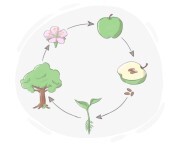
all the different stages of grow and development of a living organism

ciclu de viață, ciclu biologic

ciclu de viață, ciclu biologic

Ex: The life cycle of mammals begins with birth and ends with death .

Ciclul de viață al mamiferelor începe cu nașterea și se termină cu moartea.

Închide
Conectare
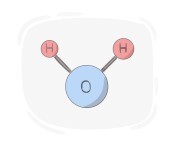
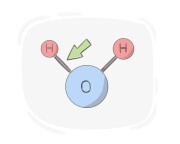
molecule
molecule
[substantiv]

the smallest structure of a substance consisting of a group of atoms

moleculă

moleculă

Ex: Chemical reactions often involve the breaking and forming of molecules.

Reacțiile chimice implică adesea ruperea și formarea moleculelor.

Închide
Conectare
molecular
molecular
[adjectiv]

consisting of or relating to molecules, which are groups of atoms bonded together

molecular, referitor la molecule

molecular, referitor la molecule

Ex: The study of molecular biology focuses on the structure and function of biological molecules.

Studiul biologiei moleculare se concentrează pe structura și funcția moleculelor biologice.

Închide
Conectare
matter
matter
[substantiv]

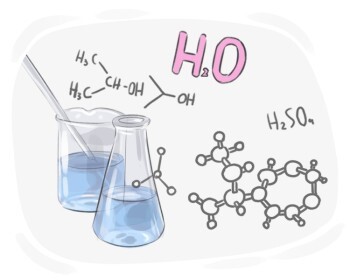
a physical substance that occupies space and exists in every material in the universe

materie, substanță
materie, substanță

Ex: The study of matter is fundamental to fields like physics and chemistry .

Studiul materiei este fundamental în domenii precum fizica și chimia.

Închide
Conectare
chemistry
chemistry
[substantiv]

the branch of science that is concerned with studying the structure of substances and the way that they change or combine with each other

chimie, știința substanțelor

chimie, știința substanțelor

Ex: His passion for chemistry led him to pursue a degree in chemical engineering .

Pasiunea sa pentru chimie l-a determinat să urmeze o diplomă în inginerie chimică.

Închide
Conectare
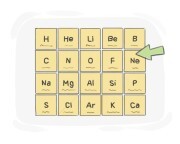
element
element
[substantiv]

a substance that is composed of only one type of atom, typically characterized by specific physical and chemical properties

element, component
element, component

Ex: Carbon is a versatile element found in all living organisms and many non-living materials .

Carbonul este un element versatil găsit în toate organismele vii și în multe materiale nevii.

Închide
Conectare
evolution
evolution
[substantiv]

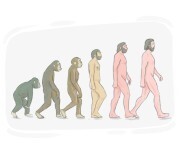
(biology) the slow and gradual development of living things throughout the history of the earth

evoluție

evoluție

Ex: Evolution has led to the incredible diversity of plants and animals we see on Earth today.

Evoluția a condus la diversitatea incredibilă de plante și animale pe care le vedem astăzi pe Pământ.

Închide
Conectare
property
property
[substantiv]

a feature or quality of something

proprietate, caracteristică

proprietate, caracteristică

Ex: Elasticity is a material property that measures its ability to return to its original shape after being deformed .

Elasticitatea este o proprietate a materialului care măsoară capacitatea acestuia de a reveni la forma originală după deformare.

Închide
Conectare
photosynthesis
photosynthesis
[substantiv]

a process in green plants during which the plant synthesizes using water and carbon dioxide

fotosinteză

fotosinteză

Ex: Coral reefs rely on algae 's photosynthesis for nutrients .

Recifele de corali se bazează pe fotosinteza algelor pentru nutrienți.

Închide
Conectare
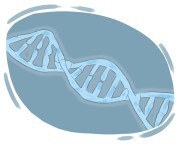
DNA
DNA
[substantiv]

(biochemistry) a chemical substance that carries the genetic information, which is present in every cell and some viruses

ADN, acidul dezoxiribonucleic
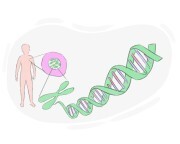
ADN, acidul dezoxiribonucleic

Ex: DNA contains the instructions for building proteins in the body .

ADN-ul conține instrucțiunile pentru construirea proteinelor din organism.

Închide
Conectare
gene
gene
[substantiv]

(genetics) a basic unit of heredity and a sequence of nucleotides in DNA that is located on a chromosome in a cell and controls a particular quality

gen, unitate genetică

gen, unitate genetică

Ex: The study revealed that some genes could influence intelligence .

Studiul a revelat că unele gene ar putea influența inteligența.

Închide
Conectare
to react
to react
[verb]

(physics) to be subject to physical or chemical change

reacționa, interacționa

reacționa, interacționa

Ex: Baking soda and vinegar react when mixed, producing carbon dioxide gas, which causes the fizzing reaction.

Bicarbonatul de sodiu și oțetul reacționează atunci când sunt amestecate, producând dioxid de carbon, care provoacă reacția de efervescență.

Închide
Conectare
fiber
fiber
[substantiv]

any strand of muscle or nervous tissues

fibră, fibră musculară

fibră, fibră musculară

Ex: Damage to the optic nerve fibers can result in vision loss or impairment .

Leziunile fibrelor nervului optic pot duce la pierderea sau deteriorarea vederii.

Închide
Conectare
particle
particle
[substantiv]

(physics) any of the smallest units that energy or matter consists of, such as electrons, atoms, molecules, etc.

particulă

particulă

Ex: Scientists study the movement and interactions of particles to understand the fundamental forces of nature .

Oamenii de știință studiază mișcarea și interacțiunile particulelor pentru a înțelege forțele fundamentale ale naturii.

Închide
Conectare
compound
compound
[substantiv]

(chemistry) a substance that its molecules consist of two or more elements that are held together by a chemical bond

compus, amestec

compus, amestec

Ex: Many compounds are essential for life , like carbohydrates and proteins .

Multe compuși sunt esențiali pentru viață, cum ar fi carbohidrații și proteinele.

Închide
Conectare
bond
bond
[substantiv]

a link that holds atoms or ions together in any molecule or crystal

legătură, conexiune
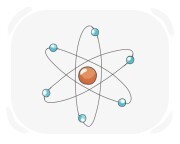
legătură, conexiune

Ex: Hydrogen bonds play a crucial role in the structure of DNA, contributing to its stability and the specificity of base pairing.

Legăturile de hidrogen joacă un rol crucial în structura ADN-ului, contribuind la stabilitatea sa și la specificitatea împerecherii bazelor.

Închide
Conectare
atomic
atomic
[adjectiv]

related to atoms, the smallest units of matter, including their structure, properties, and interactions

atomic
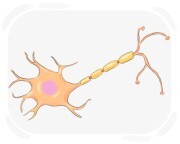
atomic

Ex: Atomic mass represents the average mass of an atom, taking into account its isotopes.

Masa atomică reprezintă masa medie a unui atom, luând în considerare izotopii săi.

Închide
Conectare
nerve
nerve
[substantiv]

each of a group of long thread-like structures in the body that carry messages between the brain and other parts of the body, sensing things is a result of this process

nerv, fibră nervoasă

nerv, fibră nervoasă

Închide
Conectare
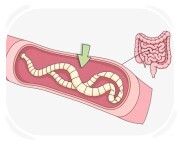
parasite
parasite
[substantiv]

(biology) a small organism that lives on or inside another organism, called a host, and is dependent on it for nutrition and growth

parazit, organism parazit
parazit, organism parazit

Ex: The relationship between the host and the parasite is often detrimental to the host , as the parasite exploits its resources for survival and reproduction .

Relația dintre gazdă și parazit este adesea dăunătoare pentru gazdă, deoarece parazitul exploatează resursele acesteia pentru supraviețuire și reproducere.

Închide
Conectare
instinct
instinct
[substantiv]

a natural reaction or behavior that occurs automatically, without conscious thought or reasoning

instinct, impuls

instinct, impuls

Ex: The swimmer 's instinct to hold her breath underwater helped her win the race .

Instinctul înotătorului de a-și reține respirația sub apă l-a ajutat să câștige cursa.

Închide
Conectare
acid
acid
[substantiv]

a water-soluble chemical substance that contains Hydrogen and has a sour taste or corrosive feature with a PH less than 7

acid, substanță acidă

acid, substanță acidă

Ex: When dissolved in water, carbonic acid forms from carbon dioxide, contributing to the acidity of rainwater.

Când se dizolvă în apă, acidul carbonic se formează din dioxidul de carbon, contribuind la aciditatea apei de ploaie.

Închide
Conectare
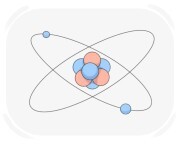
electron
electron
[substantiv]

a small particle in an atom with negative charge

electron, particulă mică într-un atom cu sarcină negativă

electron, particulă mică într-un atom cu sarcină negativă

Ex: MRI machines track the spin of electrons to create detailed body images .

Aparatele MRI urmăresc rotația electronilor pentru a crea imagini detaliate ale corpului.

Închide
Conectare
vapor
vapor
[substantiv]

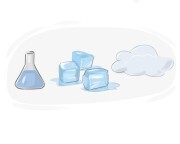
extremely small drops of liquid in the air, resulted from the heating of the liquid

abur,  ceață

abur, ceață

Ex: The vapor from the humidifier helped alleviate the dryness in the room during the winter months .

Aburul din umidificator a ajutat la ameliorarea uscăciunii din cameră în lunile de iarnă.

Închide
Conectare
glucose
glucose
[substantiv]

a basic kind of sugar that is a component of carbohydrates and provides energy for many living organisms

glucoză

glucoză

Închide
Conectare
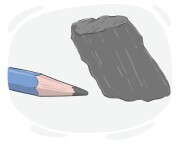
carbon
carbon
[substantiv]

a nonmetal element that can be found in all organic compounds and living things

carbon, cărbune

carbon, cărbune

Ex: Activated carbon is widely used in filtration systems to remove impurities.

Carbonul activat este utilizat pe scară largă în sistemele de filtrare pentru a elimina impuritățile.

Închide
Conectare
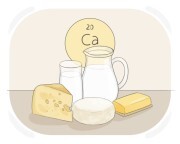
calcium
calcium
[substantiv]

a soft silver-white metal that is an important element in bones and teeth

calciu

calciu

Închide
Conectare
nitrogen
nitrogen
[substantiv]

one the most common elements in Earth's atmosphere

azot

azot

Închide
Conectare
to dissolve

(of a solid) to become one with a liquid

a dizolva, a se dizolva

a dizolva, a se dizolva

Ex: The detergent will dissolve in the washing machine , cleaning the clothes .

Detergentul se va dizolva în mașina de spălat, curățând hainele.

Închide
Conectare
LanGeek
Descarcă aplicația LanGeek