
Vocabulário Essencial para o TOEFL - Biologia, Física e Química
Aqui você aprenderá algumas palavras em inglês sobre biologia, física e química, como "organismo", "matéria", "elemento", etc., que são necessárias para o exame TOEFL.
Revisar
Flashcards
Ortografia
Quiz

the scientific study of living organisms; the science that studies living organisms
biologia, ciência da vida
Compreender a biologia é crucial para enfrentar os desafios ambientais e de saúde.

the biological process by which living organisms produce new individuals of the same kind
reprodução, procriação

the chemical processes through which food is changed into energy for the body to use
metabolismo, funcionamento metabólico

an individual living thing, such as an animal, plant, fungus, or bacterium
organismo, ser vivo
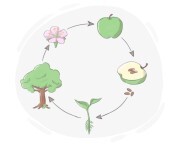
all the different stages of grow and development of a living organism
ciclo de vida, ciclo biológico
O ciclo de vida dos mamíferos começa com o nascimento e termina com a morte.

the smallest unit of a substance that can exist independently while retaining its chemical properties
molécula, molécula
consisting of or relating to molecules, which are groups of atoms bonded together
molecular, relativo às moléculas
O estudo da biologia molecular concentra-se na estrutura e função das moléculas biológicas.
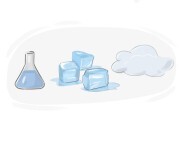
a physical substance that occupies space and exists in every material in the universe
matéria, substância
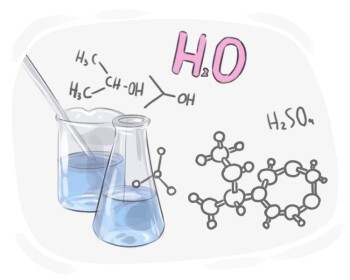
the science that studies the composition, properties, and reactions of substances
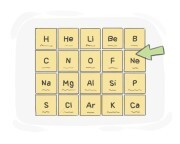
a substance that is composed of only one type of atom, typically characterized by specific physical and chemical properties
elemento, componente

the process by which populations of living organisms change genetically across successive generations
evolução, evolução biológica
a feature or quality of something
propriedade, característica
a process in green plants during which the plant synthesizes using water and carbon dioxide
fotossíntese
Os recifes de coral dependem da fotossíntese das algas para nutrientes.
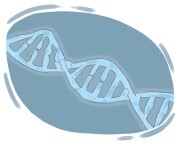
(biochemistry) a chemical substance that carries the genetic information, which is present in every cell and some viruses
ADN, ácido desoxirribonucleico
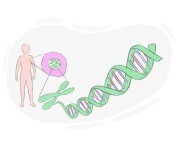
(genetics) a basic unit of heredity and a sequence of nucleotides in DNA that is located on a chromosome in a cell and controls a particular quality
gene, unidade genética
to undergo a chemical or physical change through interaction with another substance or influence
reagir, reagir quimicamente

a long, thin cell or threadlike structure that forms part of muscle or nervous tissue
fibra, fibra muscular
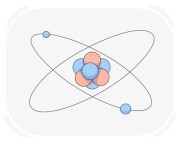
an extremely small unit of matter or radiation treated as a discrete entity in physics
partícula
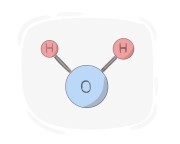
a pure substance formed from two or more chemical elements chemically bonded in fixed proportions
composto
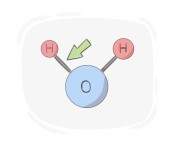
a link that holds atoms or ions together in any molecule or crystal
ligação, vínculo
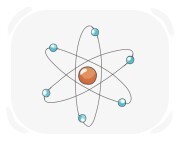
related to atoms, the smallest units of matter, including their structure, properties, and interactions
atômico
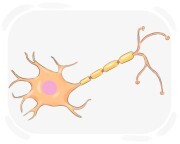
a bundle of fibers that carries signals between the brain or spinal cord and other parts of the body
nervo, nervo periférico
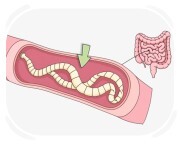
(biology) a small organism that lives on or inside another organism, called a host, and is dependent on it for nutrition and growth
parasita, organismo parasita

a natural tendency or ability to behave or react in a particular way without conscious thought or learning
a water-soluble chemical substance that contains Hydrogen and has a sour taste or corrosive feature with a PH less than 7
ácido, substância ácida
an extremely small elementary particle with a negative electric charge
elétron, eletrão
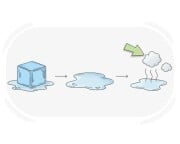
extremely small drops of liquid in the air, resulted from the heating of the liquid
vapor, névoa
(biochemistry) a simple sugar that is the main source of energy for cells in the body
glicose, glucose
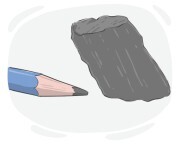
a chemical element present in all living things and in substances such as coal, graphite, and diamond
carbono, carbono
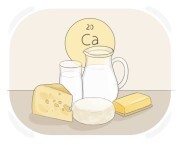
a chemical element, symbol Ca, that is essential for healthy bones and teeth and occurs naturally in many foods and minerals
(chemistry) a colorless, odorless, tasteless gas that makes up about 78 percent of Earth's atmosphere and is found in all living tissues
nitrogênio, azoto
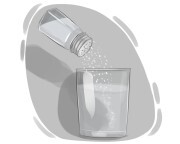
to become incorporated into a liquid and form a solution
dissolver-se, dissolver
| Vocabulário Essencial para o TOEFL | |||
|---|---|---|---|
| Hobbies e Jogos | Compras | A Economia | O Mundo dos Negócios |
| Sucesso e Fracasso | Política | Lei e Ordem | Crime e Castigo |
| Guerra e Paz | Religion | Biologia, Física e Química | Matemática e Medição |
| Engenharia e Pesquisa | Atletismo | Tempo e História | |
