
Essential Vocabulary for TOEFL - Biology, Physics, and Chemistry
Here you will learn some English words about biology, physics, and chemistry, such as "organism", "matter", "element", etc. that are needed for the TOEFL exam.
Review
Flashcards
Spelling
Quiz

the scientific study of living organisms; the science that studies living organisms

the biological process by which living organisms produce new individuals of the same kind

the chemical processes through which food is changed into energy for the body to use

an individual living thing, such as an animal, plant, fungus, or bacterium
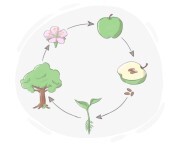
all the different stages of grow and development of a living organism

the smallest unit of a substance that can exist independently while retaining its chemical properties
consisting of or relating to molecules, which are groups of atoms bonded together
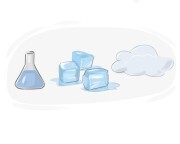
a physical substance that occupies space and exists in every material in the universe
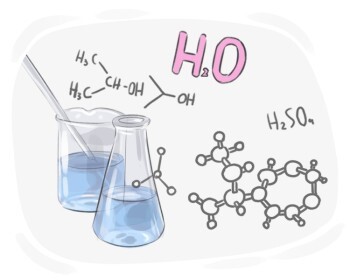
the science that studies the composition, properties, and reactions of substances
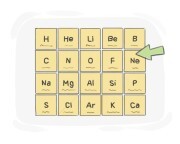
a substance that is composed of only one type of atom, typically characterized by specific physical and chemical properties

the process by which populations of living organisms change genetically across successive generations

a feature or quality of something
a process in green plants during which the plant synthesizes using water and carbon dioxide
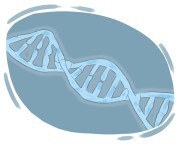
(biochemistry) a chemical substance that carries the genetic information, which is present in every cell and some viruses
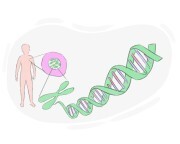
(genetics) a basic unit of heredity and a sequence of nucleotides in DNA that is located on a chromosome in a cell and controls a particular quality
to undergo a chemical or physical change through interaction with another substance or influence

a long, thin cell or threadlike structure that forms part of muscle or nervous tissue
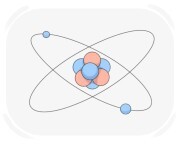
an extremely small unit of matter or radiation treated as a discrete entity in physics
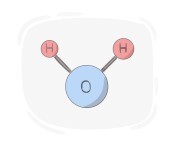
a pure substance formed from two or more chemical elements chemically bonded in fixed proportions
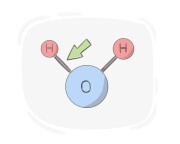
a link that holds atoms or ions together in any molecule or crystal
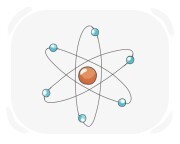
related to atoms, the smallest units of matter, including their structure, properties, and interactions
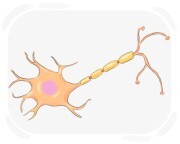
a bundle of fibers that carries signals between the brain or spinal cord and other parts of the body
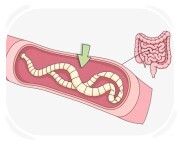
(biology) a small organism that lives on or inside another organism, called a host, and is dependent on it for nutrition and growth

a natural tendency or ability to behave or react in a particular way without conscious thought or learning
a water-soluble chemical substance that contains Hydrogen and has a sour taste or corrosive feature with a PH less than 7
an extremely small elementary particle with a negative electric charge

extremely small drops of liquid in the air, resulted from the heating of the liquid
(biochemistry) a simple sugar that is the main source of energy for cells in the body

a chemical element present in all living things and in substances such as coal, graphite, and diamond
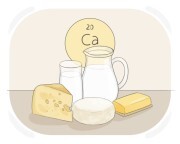
a chemical element, symbol Ca, that is essential for healthy bones and teeth and occurs naturally in many foods and minerals
(chemistry) a colorless, odorless, tasteless gas that makes up about 78 percent of Earth's atmosphere and is found in all living tissues
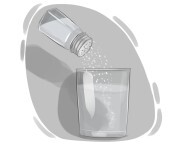
to become incorporated into a liquid and form a solution
| Essential Vocabulary for TOEFL | |||
|---|---|---|---|
| Hobbies and Games | Shopping | The Economy | The Business World |
| Success and Failure | Politics | Law and Order | Crime and Punishment |
| War and Peace | Religion | Biology, Physics, and Chemistry | Mathematics and Measurement |
| Engineering and Research | Athletics | Time and History | |
