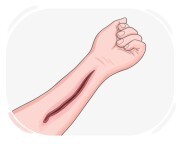
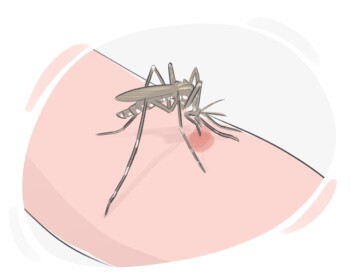
pattern

Santé et Maladie - Vebes Généraux Liés à La Blessure

Ici, vous apprendrez quelques verbes généraux en anglais liés aux blessures tels que "mutiler", "fracturer" et "cicatriser".

Réviser

Flashcards

formes

Orthographe

Quiz
Commencer à apprendre
Words Related to Health and Sickness
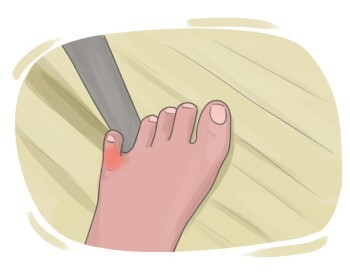
to bang
to bang
[verbe]

to accidentally hit or get hit by something that injures or damages a part of one's body

cogner, heurter, 	 	frapper

cogner, heurter, frapper

Ex: He banged his head on the low doorway while entering the room, resulting in a minor concussion. 

Il s'est cogné la tête sur l'embrasure de porte basse en entrant dans la pièce, ce qui a entraîné une légère commotion cérébrale.

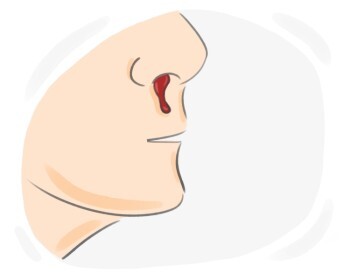
to bleed
to bleed
[verbe]

to lose blood from an injury or wound

saigner

saigner

Ex: When the athlete got a deep cut on his knee, it started to bleed profusely. 

Lorsque l'athlète a eu une coupure profonde au genou, cela a commencé à saigner abondamment.

to sustain
to sustain
[verbe]

to suffer or undergo something irritating, especially an injury, disease, etc.

subir

subir

Ex: She sustained a mild illness that kept her in bed for a few days. 

Elle a subi une maladie bénigne qui l'a gardée au lit pendant quelques jours.

to wound
to wound
[verbe]

to cause physical harm or injury to someone

blesser

blesser

Ex: Protective gear is worn in certain sports to minimize the risk of wounding players. 

Les équipements de protection sont portés dans certains sports pour minimiser le risque de blesser les joueurs.

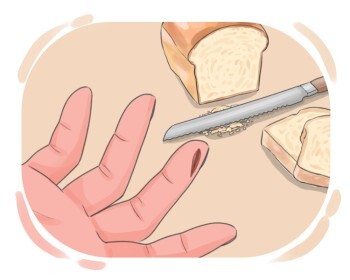
to cut
to cut
[verbe]

to accidentally wound and hurt yourself or others, especially with a sharp object, causing the skin to break and bleed

couper, entailler

couper, entailler

Ex: He accidentally cut himself while shaving this morning. 

Il s'est accidentellement coupé en se rasant ce matin.

to burn
to burn
[verbe]

to cause a sensation of discomfort or pain similar to that of being burned by fire

brûler, cuire
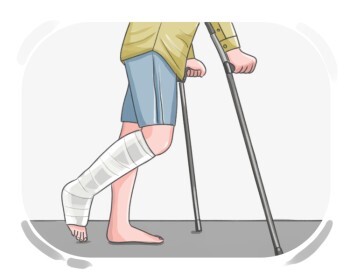
brûler, cuire

Ex: The hot soup burned my tongue when I tried to take a sip. 

La soupe chaude a brûlé ma langue quand j'ai essayé d'en prendre une gorgée.

to break
to break
[verbe]

to cause a crack and a separation in one of the bones of the body

casser, fracturer
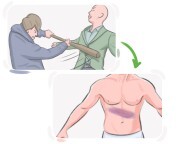
casser, fracturer

Ex: He had broken his arm at the elbow. 

Il s'était cassé le bras au niveau du coude.

to bruise
to bruise
[verbe]

to make injuries, particularly ones caused by a blow, appear on the skin and cause discoloration

contusionner, se faire un bleu

contusionner, se faire un bleu

Ex: A bump on the head may bruise and create a noticeable lump. 

Une bosse sur la tête peut contusionner et créer une grosseur notable.

to crick
to crick
[verbe]

to cause a sudden painful stiffness or spasm in a muscle, typically occurring due to an awkward movement or prolonged position

se coincer, se froisser

se coincer, se froisser

Ex: As he was gardening, he cricked his lower back, causing immediate discomfort. 

Alors qu'il jardinait, il s'est froissé le bas du dos, provoquant un inconfort immédiat.
to cripple
to cripple
[verbe]

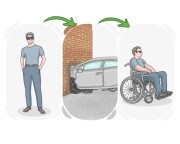
to inflict severe damage to someone's body so that they are unable to walk or move properly

estropier, handicaper, paralyser

estropier, handicaper, paralyser

Ex: Diseases like polio used to cripple individuals, affecting their mobility. 

Des maladies comme la polio handicapaient autrefois les individus, affectant leur mobilité.
to crush
to crush
[verbe]

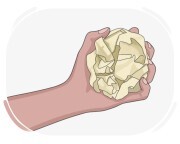
to become damaged, broken, or deformed under pressure

écraser, broyer

écraser, broyer

Ex: The cardboard box crushed under the weight of the heavy objects stacked on top. 

La boîte en carton s'est écrasée sous le poids des objets lourds empilés dessus.

to debilitate

to make someone or something weaker or less effective

affaiblir

affaiblir

Ex: Years of neglect have debilitated the infrastructure of the city. 

Des années de négligence ont débilité les infrastructures de la ville.

to dislocate

to suddenly cause a bone to move out of its normal position

se démettre, se déboîter, se luxer

se démettre, se déboîter, se luxer

Ex: His fall on the icy ground dislocated his hip, forcing him to seek emergency care. 

Sa chute sur le sol glacé a déboîté sa hanche, l'obligeant à chercher des soins d'urgence.

to graze
to graze
[verbe]

to cause injury to the surface of one's skin by rubbing it against something rough

écorcher, érafler, égratigner

écorcher, érafler, égratigner

Ex: He accidentally grazed his arm against the rough wall while moving furniture. 

Il a accidentellement effleuré son bras contre le mur rugueux en déplaçant des meubles.

to incapacitate

to injure or weaken someone in a way that one cannot live normally

frapper d'incapacité

frapper d'incapacité

Ex: A fall from the ladder incapacitated the worker, resulting in a lasting head trauma. 

Une chute de l'échelle a incapacité le travailleur, entraînant un traumatisme crânien durable.

to jam
to jam
[verbe]

to forcefully and suddenly impact or compress a body part, typically causing discomfort, pain, or injury

coincer, enfoncer

coincer, enfoncer

Ex: Over the years, she has jammed her thumb multiple times, resulting in chronic pain. 

Au fil des années, elle s'est coincé le pouce plusieurs fois, ce qui a entraîné des douleurs chroniques.

to lacerate

to tear the skin or flesh, causing deep and often irregular wounds

lacérer

lacérer

Ex: In the accident, the broken metal fence lacerated her leg, requiring immediate medical attention. 

Dans l'accident, la clôture en métal brisée a lacéré sa jambe, nécessitant une attention médicale immédiate.
to maim
to maim
[verbe]

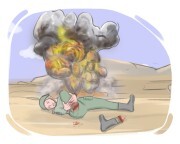
to cause serious and often permanent injury to a person, typically by disabling a part of their body

mutiler, estropier

mutiler, estropier

Ex: The vicious attack aimed to maim the victim's hands, preventing them from using tools. 

L'attaque vicieuse visait à mutiler les mains de la victime, l'empêchant ainsi d'utiliser des outils.
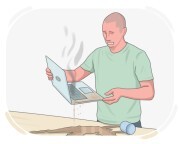
to mangle
to mangle
[verbe]

to severely damage or destroy something

mutiler, déchiqueter

mutiler, déchiqueter

Ex: The car accident had the potential to mangle the metal structure. 

L'accident de voiture avait le potentiel de déchiqueter la structure métallique.

to mutilate

to cause severe damage or harm

mutiler

mutiler

Ex: In some cultures, individuals are mutilated as a form of punishment or ostracization. 

Dans certaines cultures, les individus sont mutilés comme forme de punition ou d'ostracisme.

to tear
to tear
[verbe]

to injure a muscle, etc. by stretching it too much

se déchirer, se rompre, se tordre

se déchirer, se rompre, se tordre

Ex: She felt a sharp pain in her shoulder after tearing a ligament while lifting weights. 

Elle a ressenti une douleur aiguë à l'épaule après s'être déchiré un ligament en soulevant des poids.

to trample
to trample
[verbe]

to step heavily or crush underfoot with force

piétiner, écraser sous ses pieds

piétiner, écraser sous ses pieds

Ex: The children couldn't contain their excitement and accidentally trampled the delicate flowers in the garden. 

Les enfants ne pouvaient pas contenir leur excitation et ont accidentellement piétiné les fleurs délicates du jardin.
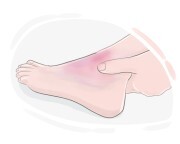
to twist
to twist
[verbe]

to injure a joint, particularly one's ankle or wrist by turning it in an awkward way

se tordre

se tordre

Ex: Running down the stairs, she missed a step and twisted her ankle, wincing in pain. 

En descendant les escaliers en courant, elle a raté une marche et s'est foulé la cheville, grimaçant de douleur.

to wrench
to wrench
[verbe]

to twist a body part suddenly and cause a sprain

tordre

tordre

Ex: She wrenched her wrist during the fall. 

Elle s'est foulé le poignet pendant la chute.

to bump
to bump
[verbe]

to accidentally hit a part of one's body against something, especially with great force and in a way that causes injury

toucher, heurter

toucher, heurter

Ex: She bumped her knee against the table, causing a sharp pain. 

Elle a cogné son genou contre la table, provoquant une douleur aiguë.

to concuss
to concuss
[verbe]

to forcefully smack someone on the head and make them temporarily unconscious or confused

commotionner

commotionner

to fracture

to cause the bone to break

se fracturer, se casser, se briser

se fracturer, se casser, se briser

Ex: In sports, a severe collision may fracture a player's bone, requiring medical attention. 

Dans les sports, une collision sévère peut fracturer un os d'un joueur, nécessitant une attention médicale.
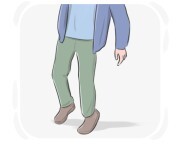
to hobble
to hobble
[verbe]

to walk unsteadily or clumsily due to sustaining injuries or physical limitations

boitiller, clopiner, boiter

boitiller, clopiner, boiter

rupture
rupture
[nom]

a severe injury that causes an internal organ or soft tissue to break or tear suddenly

rupture

rupture

Ex: She felt a sudden sharp pain in her abdomen, fearing it was a sign of an appendix rupture. 

Elle a ressenti une douleur soudaine et aiguë dans son abdomen, craignant que ce ne soit un signe de rupture de l'appendice.

to scab
to scab
[verbe]

to form a scab, a crust of dry blood that forms over a wound as it recovers

former une croûte
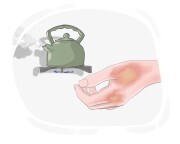
former une croûte

to scald
to scald
[verbe]

to injure oneself with hot liquid or steam

ébouillanter, s'ébouillanter

ébouillanter, s'ébouillanter

Ex: The steam from the pot scalded his face as he lifted the lid too quickly. 

La vapeur de la casserole a ébouillanté son visage alors qu'il soulevait le couvercle trop rapidement.
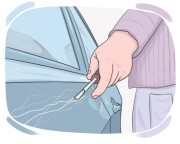
to scratch
to scratch
[verbe]

to make small cuts or marks on a surface

gratter

gratter

Ex: The puppy scratched the floor trying to bury its bone. 

Le chiot a gratté le sol en essayant d'enterrer son os.

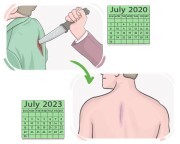
to sting
to sting
[verbe]

(of an animal or insect) to pierce the skin of another animal or a human, typically injecting poison, either in self-defense or while preying

piquer
piquer

Ex: Mosquitoes use their proboscis to sting and feed on the blood of their hosts. 

Les moustiques utilisent leur dard pour piquer et se nourrir du sang de leurs hôtes.

to scar
to scar
[verbe]

to leave a mark on the skin after the injured tissue has healed

marquer, laisser une cicatrice à, laisser une cicatrice sur

marquer, laisser une cicatrice à, laisser une cicatrice sur

Ex: The rock climbing accident scarred her knees, but she continued the sport. 

L'accident d'escalade a marqué ses genoux, mais elle a continué ce sport.

to scrape
to scrape
[verbe]

(of skin tissue) to accidentally damage or injure by rubbing against a rough surface or with something sharp and abrasive

érafler

érafler

to sprain
to sprain
[verbe]

(of a ligament) to be suddenly twisted, which results in much pain

se fouler, se faire une entorse à

se fouler, se faire une entorse à

Ex: She sprained her wrist after falling on the icy sidewalk. 

Elle s'est foulé le poignet après être tombée sur le trottoir glacé.
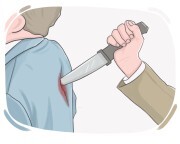
to stab
to stab
[verbe]

to push a knife or other sharp object into someone to injure or kill them

poignarder

poignarder

Ex: She narrowly escaped being stabbed when she defended herself with a nearby object. 

Elle a échappé de justesse à être poignardée lorsqu'elle s'est défendue avec un objet à proximité.

to paralyze

to cause a person, animal, or part of the body to lose the ability to move or function, usually due to injury or illness

paralyser

paralyser

Ex: A stroke can paralyze one side of the body, impacting motor functions. 

Un accident vasculaire cérébral peut paralyser un côté du corps, affectant les fonctions motrices.

Santé et Maladie
Vebes Généraux Liés à La BlessureEn Ce qui Concerne les Maladies Physiques 4
LanGeek
Télécharger l'application LanGeek