
Salud y Enfermedad - Verbos generales relacionados con lesiones
Aquí aprenderás algunos verbos generales en inglés relacionados con lesiones como "mutilizar", "fracturar" y "cicatrizar".
Revisión
Tarjetas de memoria
formas
Ortografía
Cuestionario
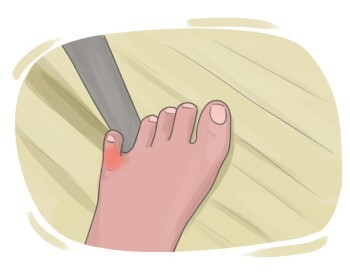
to accidentally hit a part of one's body against something, causing pain or injury

golpear
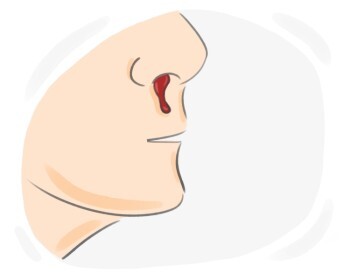
to lose blood from an injury or wound
sangrar
Es esencial aplicar presión a una herida para evitar que sangre excesivamente.

to suffer or experience an injury, damage, loss, or other harmful effect
sufrir, recibir
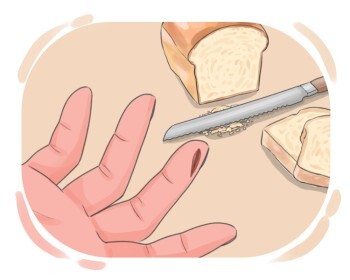
to cause physical harm or injury to someone
herir
to accidentally wound and hurt yourself or others, especially with a sharp object, causing the skin to break and bleed
cortar, herir
to cause a sensation of discomfort or pain similar to that of being burned by fire
quemar, arder
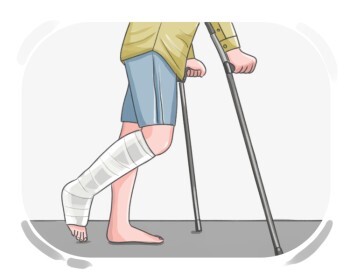
to cause a crack and a separation in one of the bones of the body
romper, fracturar
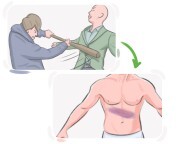
to make injuries, particularly ones caused by a blow, appear on the skin and cause discoloration
salir moretones
El torpe bailarín accidentalmente magulló el pie de su pareja durante la rutina.
to cause a sudden painful stiffness or spasm in a muscle, typically occurring due to an awkward movement or prolonged position
tirarse, contracturar
Ayer, un movimiento repentino mientras hacía ejercicio le produjo un calambre en la rodilla, lo que resultó en dolor.
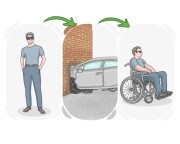
to inflict severe damage to someone's body so that they are unable to walk or move properly
lisiar
El soldado enfrentó el riesgo de ser lisiado por la explosión durante el combate.
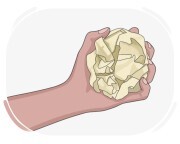
to become damaged, flattened, or deformed as a result of pressure
aplastarse, deformarse
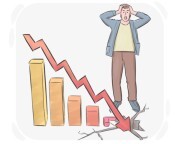
to make someone or something weaker or less effective
debilitar
La desnutrición puede debilitar el crecimiento y desarrollo de un niño, lo que lleva a problemas de salud a largo plazo.
to suddenly cause a bone to move out of its normal position
dislocarse, dislocar
Después del accidente, el médico explicó que el impacto había dislocado varios huesos de su pie.
to cause injury to the surface of one's skin by rubbing it against something rough
rasparse, rasguñarse
Ella se rasguñó la mano en el borde afilado de la puerta de metal.
to injure or weaken someone in a way that one cannot live normally
incapacitar
La enfermedad incapacitó sus articulaciones, causando problemas de movilidad a largo plazo.
to injure a finger, toe, or other body part by hitting, crushing, or forcing it suddenly
pillarse, magullar
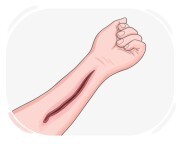
to tear the skin or flesh, causing deep and often irregular wounds
lacerar
Las espinas del rosal pueden lacerar fácilmente la piel si no se manejan con cuidado.
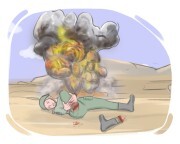
to cause serious and often permanent injury to a person, typically by disabling a part of their body
mutilar, lisiar
Trágicamente, el accidente mutiló al peatón, resultando en la pérdida de una extremidad.
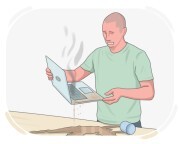
to severely damage or destroy something
destrozar, mutilizar
La explosión amenazaba con destrozar todo lo que estuviera dentro de su radio de explosión.
to cause severe damage or harm
mutilar
La intención del criminal era mutila el rostro de la víctima hasta dejarlo irreconocible.
to injure a muscle, etc. by stretching it too much
desgarrar
to step heavily or crush underfoot with force
pisar fuerte, aplastar bajo los pies
Los elefantes salvajes evitaron pisar las pequeñas plantas mientras se movían por el denso bosque.
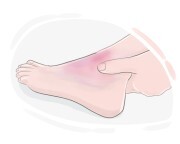
to injure a joint by turning it suddenly or awkwardly
torcerse
to twist a body part suddenly and cause a sprain
torcerse
Se torció la rodilla en el placaje.
to accidentally hit a part of one's body against something, especially with great force and in a way that causes injury
chocar con
to forcefully smack someone on the head and make them temporarily unconscious or confused
conmocionar
to cause the bone to break
fracturarse
Los accidentes durante actividades al aire libre, como senderismo o ciclismo, pueden potencialmente fracturar huesos.
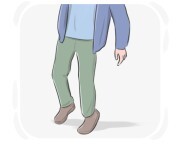
to walk unsteadily or clumsily due to sustaining injuries or physical limitations
cojear, renquear
a severe injury that causes an internal organ or soft tissue to break or tear suddenly
ruptura, hernia
Los ataques de tos severos pueden provocar una ruptura pulmonar, lo que resulta en dificultad para respirar.
to form a scab, a crust of dry blood that forms over a wound as it recovers
formar costra
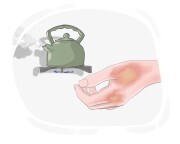
to injure oneself with hot liquid or steam
escaldar
El camarero torpe accidentalmente escaldó a un cliente con café caliente.
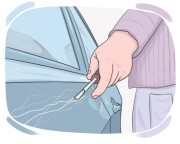
to damage a surface or skin by making a thin, shallow cut or mark with something sharp or rough
arañar, rayar
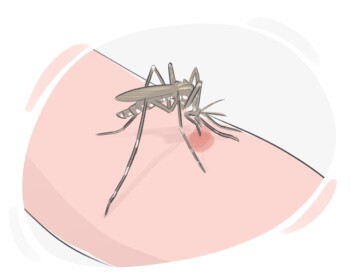
(of an animal or insect) to pierce the skin of another animal or a human, typically injecting poison, either in self-defense or while preying
picar
La avispa picó al niño cuando se sintió acorralada.
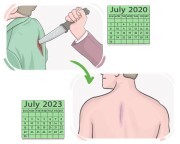
to leave a mark on the skin after the injured tissue has healed
dejar una cicatriz en, marcar
El corte profundo en su mano probablemente cicatrizará, dejando una marca visible.
(of skin tissue) to accidentally damage or injure by rubbing against a rough surface or with something sharp and abrasive
raspar, rayar, arañar
(of a ligament) to be suddenly twisted, which results in much pain
torcerse, hacerse un esguince en
Se torció accidentalmente la rodilla mientras corría.
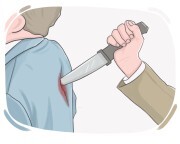
to wound or kill someone by pushing a knife or other pointed object into their body
apuñalar, acuchillar
to cause a person, animal, or part of the body to lose the ability to move or function, usually due to injury or illness
paralizar
El veneno de la mordedura de serpiente tenía el potencial de paralizar a la víctima.
| Salud y Enfermedad | |||
|---|---|---|---|
| Verbos generales relacionados con lesiones | Verbos generales relacionados con la salud y la enfermedad | ||
