
Health and Sickness - General Verbs Related to Injury
Here you will learn some general English verbs related to injury such as "maim", "fracture", and "scar".
Review
Flashcards
Forms
Spelling
Quiz
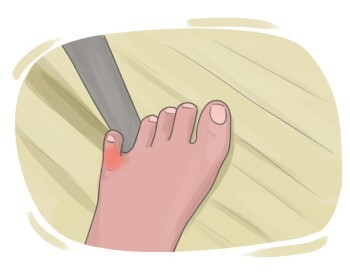
to accidentally hit or get hit by something that injures or damages a part of one's body
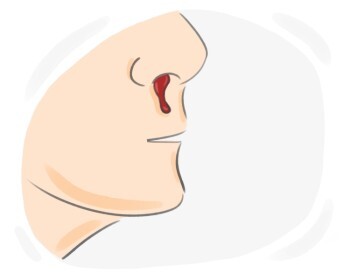
to lose blood from an injury or wound

to suffer or undergo something irritating, especially an injury, disease, etc.
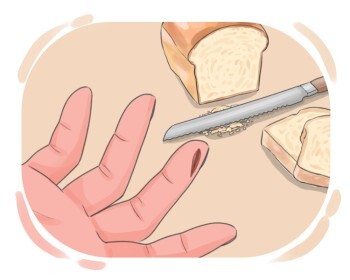
to cause physical harm or injury to someone
to accidentally wound and hurt yourself or others, especially with a sharp object, causing the skin to break and bleed
to cause a sensation of discomfort or pain similar to that of being burned by fire
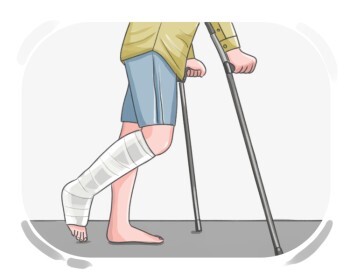
to cause a crack and a separation in one of the bones of the body
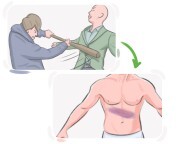
to make injuries, particularly ones caused by a blow, appear on the skin and cause discoloration
to cause a sudden painful stiffness or spasm in a muscle, typically occurring due to an awkward movement or prolonged position
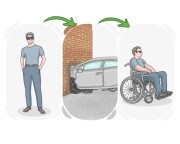
to inflict severe damage to someone's body so that they are unable to walk or move properly
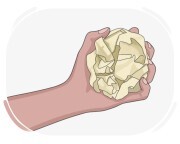
to become damaged, broken, or deformed under pressure
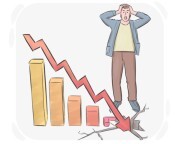
to make someone or something weaker or less effective
to suddenly cause a bone to move out of its normal position
to cause injury to the surface of one's skin by rubbing it against something rough
to injure or weaken someone in a way that one cannot live normally
to forcefully and suddenly impact or compress a body part, typically causing discomfort, pain, or injury
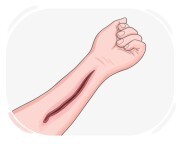
to tear the skin or flesh, causing deep and often irregular wounds
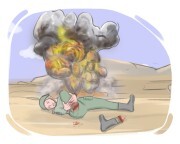
to cause serious and often permanent injury to a person, typically by disabling a part of their body
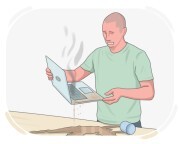
to severely damage or destroy something
to cause severe damage or harm
to injure a muscle, etc. by stretching it too much
to step heavily or crush underfoot with force
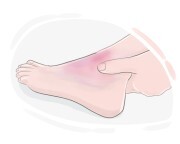
to injure a joint, particularly one's ankle or wrist by turning it in an awkward way
to twist a body part suddenly and cause a sprain
to accidentally hit a part of one's body against something, especially with great force and in a way that causes injury
to forcefully smack someone on the head and make them temporarily unconscious or confused
to cause the bone to break

a severe injury that causes an internal organ or soft tissue to break or tear suddenly
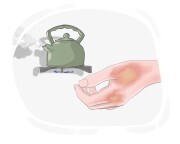
to injure oneself with hot liquid or steam
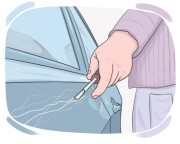
to make small cuts or marks on a surface
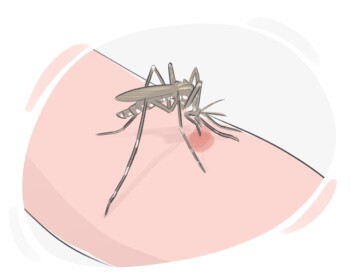
(of an animal or insect) to pierce the skin of another animal or a human, typically injecting poison, either in self-defense or while preying
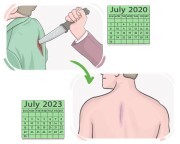
to leave a mark on the skin after the injured tissue has healed
(of skin tissue) to accidentally damage or injure by rubbing against a rough surface or with something sharp and abrasive
(of a ligament) to be suddenly twisted, which results in much pain
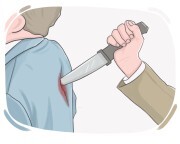
to push a knife or other sharp object into someone to injure or kill them
to cause a person, animal, or part of the body to lose the ability to move or function, usually due to injury or illness
| Health and Sickness | |||
|---|---|---|---|
| General Verbs Related to Injury | General Verbs Related to Health and Sickness | ||
