
pattern

Kosakata untuk IELTS (Akademik) - Sejarah

Di sini Anda akan mempelajari beberapa kata bahasa Inggris tentang sejarah, seperti "penjelajah", "peradaban", "monumen", dll. yang diperlukan untuk ujian IELTS.

Tinjauan

Kartu flash

Ejaan

Kuis
Mulai belajar
Words for Academic IELTS
costume
costume
[Kata benda]

clothing characteristic of a particular country, social class, or historical period

pakaian tradisional, busana tradisional

pakaian tradisional, busana tradisional

Ex: Costume often signifies identity or heritage. 
Tutup
Masuk
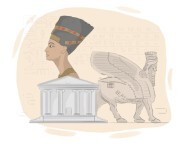
explorer
explorer
[Kata benda]

a person who visits unknown places to find out more about them

penjelajah, petualang

penjelajah, petualang

Ex: Ancient explorers relied on stars and maps to navigate the seas. 

Para penjelajah kuno mengandalkan bintang dan peta untuk berlayar di laut.
Tutup
Masuk
historical
historical
[Adjektiva]

related to the study or depiction of events, people, or objects from the past

bersejarah

bersejarah

Ex: Her research focused on the historical significance of medieval architecture. 

Penelitiannya berfokus pada signifikansi historis arsitektur abad pertengahan.
Tutup
Masuk
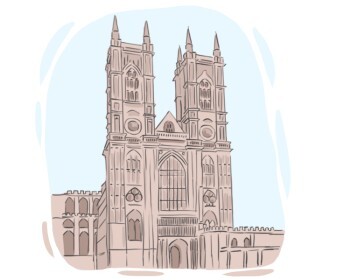
abbey
abbey
[Kata benda]

a group of buildings where a community of monks or nuns lives or formerly lived, typically including a church

biara,  pertapaan

biara, pertapaan

Ex: The abbey includes a church, living quarters, and a large garden. 
Tutup
Masuk
age
age
[Kata benda]

a period of history identified with a particular event

zaman, era
zaman, era

Ex: During the age of exploration, many new lands and trade routes were discovered. 
Tutup
Masuk
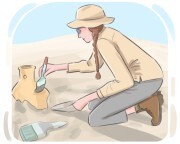
archeologist
archeologist
[Kata benda]

a person whose job is to study ancient societies using facts, objects, buildings, etc. remaining in excavation sites

arkeolog

arkeolog

Tutup
Masuk
civilization
civilization
[Kata benda]

a society that has developed its own culture and institutions in a particular period of time or place

peradaban, masyarakat

peradaban, masyarakat

Ex: Many aspects of Greek civilization influence contemporary philosophy and art. 

Banyak aspek peradaban Yunani mempengaruhi filsafat dan seni kontemporer.

Tutup
Masuk
Era
Era
[Kata benda]

a major division of geological time that is divided into periods

era,  masa

era, masa

Ex: Each geological era is divided into smaller periods. 
Tutup
Masuk
empire
empire
[Kata benda]

a territory governed by an emperor or empress, under imperial authority

kekaisaran, kekaisaran

kekaisaran, kekaisaran

Ex: The emperor expanded his empire across three continents. 
Tutup
Masuk
formerly
formerly
[Adverbia]

in an earlier period

dahulu, sebelumnya

dahulu, sebelumnya

Ex: The building, formerly a bank, has been converted into a trendy art gallery. 

Bangunan, sebelumnya sebuah bank, telah diubah menjadi galeri seni yang trendi.

Tutup
Masuk
historian
historian
[Kata benda]

a person who studies, researches, or writes about history

sejarawan,  ahli sejarah

sejarawan, ahli sejarah

Ex: Daniel interviewed several local historians for his documentary. 
Tutup
Masuk
origin
origin
[Kata benda]

the point or place where something has its foundation or beginning

asal, sumber

asal, sumber

Ex: Scientists are studying the origin of the universe through cosmology. 
Tutup
Masuk
myth
myth
[Kata benda]

a traditional story about gods, heroes, or supernatural events, often explaining a culture's history, beliefs, or natural phenomena

mitos

mitos

Ex: According to the myth, the hero received help from a powerful goddess. 
Tutup
Masuk
monument
monument
[Kata benda]

an old building, structure, or site preserved or valued for its historical importance

Ex: Emma spent the afternoon visiting monuments in the old city. 
Tutup
Masuk
revolution
revolution
[Kata benda]

the fundamental change of power, government, etc. in a country by people, particularly involving violence

revolusi
revolusi

Ex: The revolution led to the overthrow of the monarchy and the establishment of a republic. 
Tutup
Masuk
pyramid
pyramid
[Kata benda]

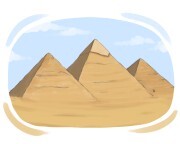
a stone monument built in ancient Egypt usually as a tomb for the pharaohs, which has a triangular or square base that slopes up to the top

piramida, monumen piramida

piramida, monumen piramida

Ex: Scientists still study how ancient civilizations built their pyramids. 

Para ilmuwan masih mempelajari bagaimana peradaban kuno membangun piramida mereka.
Tutup
Masuk
ruin
ruin
[Kata benda]

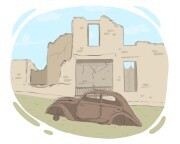
the remains of a building, town, or other structure that has been destroyed or fallen into decay

Ex: Only a few stone walls remain among the ruins. 
Tutup
Masuk
wartime
wartime
[Kata benda]

a period during which an open war is underway

masa perang, periode perang

masa perang, periode perang

Tutup
Masuk
ancestry
ancestry
[Kata benda]

the people from whom a person is descended

leluhur, keturunan

leluhur, keturunan

Ex: Many people use DNA tests to explore their ancestry. 
Tutup
Masuk
aristocracy
aristocracy
[Kata benda]

people in the highest class of society who have a lot of power and wealth and usually high ranks and titles

aristokrasi, bangsawan

aristokrasi, bangsawan

Ex: The aristocracy often lived in grand estates and manors. 

Aristokrasi sering tinggal di perkebunan dan rumah besar yang megah.

Tutup
Masuk
chronology
chronology
[Kata benda]

the study of past events for the purpose of determining the order by which they occurred

kronologi, studi kronologis

kronologi, studi kronologis

Tutup
Masuk
fortress
fortress
[Kata benda]

a structure or town that has been designed for military defense against enemy attacks

benteng, kubu

benteng, kubu

Ex: The walls of the fortress were built thick and high to withstand sieges. 

Benteng

Tutup
Masuk
successor
successor
[Kata benda]

a person who takes over a job, position, title, or role after someone else

penerus,  pengganti

penerus, pengganti

Ex: The president appointed a successor before leaving office. 
Tutup
Masuk
former
former
[Adjektiva]

referring to the previous state or condition of an object, organization, or place, which has since changed

bekas, dahulu

bekas, dahulu

Ex: The city has undergone significant changes, with many of its former buildings replaced by modern skyscrapers. 
Tutup
Masuk
anno Domini
anno Domini
[Adverbia]

used to refer to a date that is after the birth of Jesus Christ

Anno Domini, AD

Anno Domini, AD

Ex: The construction of the iconic Colosseum in Rome was completed in AD 80, and it remains a symbol of ancient Roman engineering. 
Tutup
Masuk
before Christ
before Christ
[Adverbia]

marking the years before Christ's supposed birth

sebelum Masehi
sebelum Masehi

Ex: The earliest known written laws, the Code of Hammurabi, date back to around 1754 BC. 
Tutup
Masuk
the Middle Ages
the Middle Ages
[Kata benda]

an era in European history, between about AD 1000 and AD 1500, when the authority of kings, people of high rank, and the Christian Church was unquestionable

Abad Pertengahan, periode Abad Pertengahan

Abad Pertengahan, periode Abad Pertengahan

Ex: Castles and knights are iconic symbols of life during the Middle Ages. 

Kastil dan ksatria adalah simbol ikonik kehidupan selama Abad Pertengahan.

Tutup
Masuk
LanGeek
Unduh aplikasi LanGeek
