
Словарный Запас для IELTS (Академический) - История
Здесь вы выучите некоторые английские слова по истории, такие как "исследователь", "цивилизация", "памятник" и т.д., которые необходимы для экзамена IELTS.
Обзор
Флэш-карточки
Правописание
Тест


clothing characteristic of a particular country, social class, or historical period

костюм
Традиционный баварский костюм включает ледерхозены и дирндли.
a person who visits unknown places to find out more about them
исследователь
Исследователи сыграли ключевую роль в открытии новых континентов.
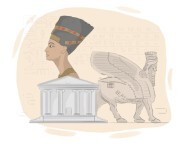
related to the study or depiction of events, people, or objects from the past
исторический
Они посетили исторический объект, чтобы узнать больше о наследии региона.
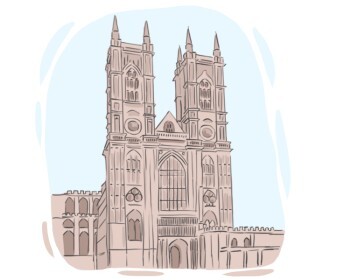
a church with buildings connected to it in which a group of monks or nuns live or used to live
монастырь
Они посвятили свою жизнь служению в аббатстве, находя утешение и цель в его священных стенах.

a period of history identified with a particular event
эпоха
В эпоху великих географических открытий было обнаружено много новых земель и торговых путей.
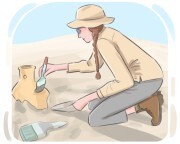
a person whose job is to study ancient societies using facts, objects, buildings, etc. remaining in excavation sites
археолог
a society that has developed its own culture and institutions in a particular period of time or place
цивилизация
Древний Египет считается одной из величайших цивилизаций в истории.
a formal subdivision of geological time, typically spanning several periods
эра, эпоха
Мезозойская эра закончилась массовым вымиранием.

a territory governed by an emperor or empress, under imperial authority
империя
Император расширил свою империю на три континента.

in an earlier period
раньше
Она ранее была учителем, прежде чем заняться карьерой в журналистике.
someone who studies or records historical events
историк
Историк потратил годы на исследование древнеримских битв.
the point or place where something has its foundation or beginning
происхождение
Ученые изучают происхождение вселенной через космологию.

a story involving the ancient history of a people, usually about heroes and supernatural events that could be unreal
миф
Его книга исследует мифы, окружающие происхождение вселенной.
a place or building that is historically important
памятник
Эйфелева башня — это знаменитый памятник в Париже, который ежегодно привлекает миллионы туристов.

the fundamental change of power, government, etc. in a country by people, particularly involving violence
революция
Революция привела к свержению монархии и установлению республики.
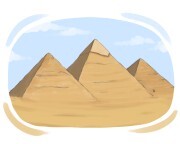
a stone monument built in ancient Egypt usually as a tomb for the pharaohs, which has a triangular or square base that slopes up to the top
пирамида
Туристы стекаются, чтобы увидеть древние пирамиды в Египте.

(plural) the remains of something such as a building after it has been seriously damaged or destroyed
руина
Они исследовали руины старого замка во время своей поездки.
the people from whom a person is descended
родословная, происхождение
Она проследила свою родословную до XVI века.

people in the highest class of society who have a lot of power and wealth and usually high ranks and titles
аристократия
На мероприятии присутствовали члены аристократии в элегантной одежде.
the study of past events for the purpose of determining the order by which they occurred
хронология

a structure or town that has been designed for military defense against enemy attacks
крепость
Древняя крепость стояла на вершине холма, возвышаясь над окружающей сельской местностью.
a person or thing that is next in line to someone or something else
преемник
Генеральный директор объявил о своей отставке и назначил своего давнего заместителя своим преемником.
referring to the previous state or condition of an object, organization, or place, which has since changed
бывший
Город претерпел значительные изменения, многие из его бывших зданий были заменены современными небоскребами.

used to refer to a date that is after the birth of Jesus Christ
от Рождества Христова

marking the years before Christ's supposed birth
до н.э.
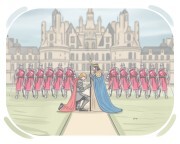
an era in European history, between about AD 1000 and AD 1500, when the authority of kings, people of high rank, and the Christian Church was unquestionable
Средние века
Многие важные университеты и центры обучения были основаны в Европе в течение Средневековья.
