pattern

Từ Vựng cho IELTS (Học Thuật) - Lịch sử

Ở đây bạn sẽ học một số từ tiếng Anh về lịch sử, như "nhà thám hiểm", "nền văn minh", "tượng đài", v.v., cần thiết cho kỳ thi IELTS.

Xem lại

Thẻ ghi nhớ

Chính tả

Đố vui

Bắt đầu học
Words for Academic IELTS
costume
costume
[Danh từ]

clothing characteristic of a particular country, social class, or historical period

trang phục truyền thống, y phục truyền thống

trang phục truyền thống, y phục truyền thống

Ex: Costume often signifies identity or heritage. 

Trang phục thường biểu thị bản sắc hoặc di sản.

explorer
explorer
[Danh từ]

a person who visits unknown places to find out more about them

nhà thám hiểm, người phiêu lưu

nhà thám hiểm, người phiêu lưu

Ex: Ancient explorers relied on stars and maps to navigate the seas. 

Những nhà thám hiểm cổ đại dựa vào các ngôi sao và bản đồ để điều hướng trên biển.
historical
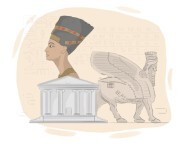
historical
[Tính từ]

related to the study or depiction of events, people, or objects from the past

lịch sử

lịch sử

Ex: He enjoys reading historical novels that bring the past to life. 

Anh ấy thích đọc tiểu thuyết lịch sử làm sống lại quá khứ.
abbey
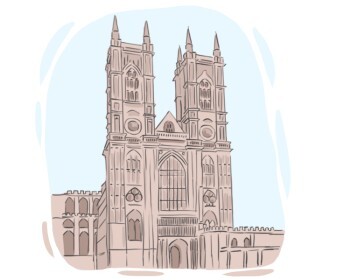
abbey
[Danh từ]

a church with buildings connected to it in which a group of monks or nuns live or used to live

tu viện, nhà thờ lớn có tu viện

tu viện, nhà thờ lớn có tu viện

Ex: They have dedicated their lives to serving at the abbey, finding solace and purpose within its hallowed walls. 

Họ đã cống hiến cuộc đời mình để phục vụ tại tu viện, tìm thấy sự an ủi và mục đích trong những bức tường thiêng liêng của nó.

age
age
[Danh từ]

a period of history identified with a particular event

thời đại, kỷ nguyên

thời đại, kỷ nguyên

Ex: An age of economic prosperity followed the industrial revolution, leading to increased wealth and development. 

Một thời kỳ thịnh vượng kinh tế đã theo sau cuộc cách mạng công nghiệp, dẫn đến sự gia tăng của cải và phát triển.

archeologist
archeologist
[Danh từ]

a person whose job is to study ancient societies using facts, objects, buildings, etc. remaining in excavation sites

nhà khảo cổ học

nhà khảo cổ học

civilization
civilization
[Danh từ]

a society that has developed its own culture and institutions in a particular period of time or place

nền văn minh, xã hội

nền văn minh, xã hội

Ex: Many aspects of Greek civilization influence contemporary philosophy and art. 

Nhiều khía cạnh của nền văn minh Hy Lạp ảnh hưởng đến triết học và nghệ thuật đương đại.

era
era
[Danh từ]

a formal subdivision of geological time, typically spanning several periods

kỷ, thời đại

kỷ, thời đại

Ex: Geologists debate the boundaries of each era. 

Các nhà địa chất tranh luận về ranh giới của mỗi kỷ nguyên.

empire
empire
[Danh từ]

a territory governed by an emperor or empress, under imperial authority

đế chế, đế chế

đế chế, đế chế

Ex: The empire maintained order through a complex bureaucracy. 

Đế chế duy trì trật tự thông qua một bộ máy quan liêu phức tạp.

formerly
formerly
[Trạng từ]

in an earlier period

trước đây, trước kia

trước đây, trước kia

Ex: The building, formerly a bank, has been converted into a trendy art gallery. 

Tòa nhà, trước đây là một ngân hàng, đã được chuyển đổi thành một phòng trưng bày nghệ thuật thời thượng.

historian
historian
[Danh từ]

someone who studies or records historical events

nhà sử học, sử gia

nhà sử học, sử gia

Ex: The museum consulted a historian to verify the artifact's origin. 

Bảo tàng đã tham khảo ý kiến của một nhà sử học để xác minh nguồn gốc của hiện vật.

origin
origin
[Danh từ]

the point or place where something has its foundation or beginning

nguồn gốc, nguồn

nguồn gốc, nguồn

Ex: They traced the origin of the disease to a specific animal species. 

Họ đã truy tìm nguồn gốc của căn bệnh đến một loài động vật cụ thể.

myth
myth
[Danh từ]

a story involving the ancient history of a people, usually about heroes and supernatural events that could be unreal

thần thoại, huyền thoại

thần thoại, huyền thoại

Ex: The villagers passed the myth down through generations. 

Dân làng đã truyền lại huyền thoại qua các thế hệ.

monument
monument
[Danh từ]

a place or building that is historically important

tượng đài

tượng đài

Ex: The Lincoln Memorial in Washington, D.C., is a monument dedicated to the 16th President of the United States. 

Đài tưởng niệm Lincoln ở Washington, D.C., là một đài tưởng niệm dành cho Tổng thống thứ 16 của Hoa Kỳ.

revolution
revolution
[Danh từ]

the fundamental change of power, government, etc. in a country by people, particularly involving violence

cách mạng
cách mạng

Ex: The revolution was sparked by widespread discontent with the oppressive regime. 

Cuộc cách mạng đã được châm ngòi bởi sự bất mãn lan rộng với chế độ áp bức.

pyramid
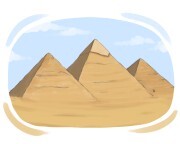
pyramid
[Danh từ]

a stone monument built in ancient Egypt usually as a tomb for the pharaohs, which has a triangular or square base that slopes up to the top

kim tự tháp, công trình kim tự tháp

kim tự tháp, công trình kim tự tháp

Ex: Scientists still study how ancient civilizations built their pyramids. 

Các nhà khoa học vẫn nghiên cứu cách các nền văn minh cổ đại xây dựng kim tự tháp của họ.

ruin
ruin
[Danh từ]

(plural) the remains of something such as a building after it has been seriously damaged or destroyed

tàn tích, đống đổ nát

tàn tích, đống đổ nát

Ex: The archaeologists worked to preserve the historical ruins. 

Các nhà khảo cổ đã làm việc để bảo tồn những tàn tích lịch sử.

wartime
wartime
[Danh từ]

a period during which an open war is underway

thời chiến, giai đoạn chiến tranh

thời chiến, giai đoạn chiến tranh

ancestry
ancestry
[Danh từ]

the people from whom a person is descended

tổ tiên, dòng dõi

tổ tiên, dòng dõi

Ex: Many people use DNA tests to explore their ancestry. 

Nhiều người sử dụng xét nghiệm DNA để khám phá tổ tiên của họ.

aristocracy
aristocracy
[Danh từ]

people in the highest class of society who have a lot of power and wealth and usually high ranks and titles

tầng lớp quý tộc, giới quý tộc

tầng lớp quý tộc, giới quý tộc

Ex: The aristocracy often lived in grand estates and manors. 

Giới quý tộc thường sống trong các điền trang và dinh thự lớn.

chronology
chronology
[Danh từ]

the study of past events for the purpose of determining the order by which they occurred

niên đại học, nghiên cứu niên đại

niên đại học, nghiên cứu niên đại

fortress
fortress
[Danh từ]

a structure or town that has been designed for military defense against enemy attacks

pháo đài, thành trì

pháo đài, thành trì

Ex: The walls of the fortress were built thick and high to withstand sieges. 

Pháo đài

successor
successor
[Danh từ]

a person or thing that is next in line to someone or something else

người kế vị, người thừa kế

người kế vị, người thừa kế

Ex: After the professor's retirement, her most promising student became her successor in the department. 

Sau khi giáo sư nghỉ hưu, học sinh triển vọng nhất của bà đã trở thành người kế nhiệm của bà trong khoa.

former
former
[Tính từ]

referring to the previous state or condition of an object, organization, or place, which has since changed

cũ, trước đây

cũ, trước đây

Ex: The former capital city still holds historical significance, though it is no longer the seat of government. 

Thủ đô vẫn còn giữ ý nghĩa lịch sử, mặc dù nó không còn là trụ sở chính phủ.

anno Domini
anno Domini
[Trạng từ]

used to refer to a date that is after the birth of Jesus Christ

sau Công Nguyên, SCN

sau Công Nguyên, SCN

Ex: The construction of the iconic Colosseum in Rome was completed in AD 80, and it remains a symbol of ancient Roman engineering. 
before Christ
before Christ
[Trạng từ]

marking the years before Christ's supposed birth

trước Công nguyên

trước Công nguyên

Ex: The earliest known written laws, the Code of Hammurabi, date back to around 1754 BC. 
the Middle Ages
the Middle Ages
[Danh từ]

an era in European history, between about AD 1000 and AD 1500, when the authority of kings, people of high rank, and the Christian Church was unquestionable

thời Trung Cổ, thời kỳ Trung Cổ

thời Trung Cổ, thời kỳ Trung Cổ

Ex: The Black Death was a devastating pandemic that struck Europe in the late Middle Ages, killing millions. 

Cái Chết Đen là một đại dịch tàn khốc tấn công châu Âu vào cuối thời Trung Cổ, giết chết hàng triệu người.

LanGeek
Tải ứng dụng LanGeek